

 Hajj
HajjHajj is not a trip you figure out as you go. Every ritual follows a fixed order, tied to specific days and specific locations around Makkah, and missing a step can affect the validity of the pilgrimage. This guide walks through the Step-by-Step Hajj Rituals in the exact sequence pilgrims perform them, so you know what happens, when it happens, and why it matters.
Hajj brings together millions of pilgrims from different countries, cultures, and backgrounds, all following the exact same sequence of rituals. That shared structure is part of what makes the experience so unifying, regardless of where a pilgrim comes from. Knowing what to expect at each stage helps you stay calm and focused when the crowds and heat make things feel intense. Step-by-Step Hajj Rituals can help pilgrims understand this shared structure clearly.
Whether you’re preparing for your first Hajj or helping an elderly parent get ready, this guide breaks the journey into clear, manageable stages. It’s written the way an experienced group leader would explain it in person, without religious jargon left unexplained. With Step-by-Step Hajj Rituals, each stage becomes easier to understand and prepare for. This Step-by-Step Hajj Rituals guide will help you follow the journey with greater clarity.
What does Hajj mean in Islam, and what is the reason behind Muslims performing it?
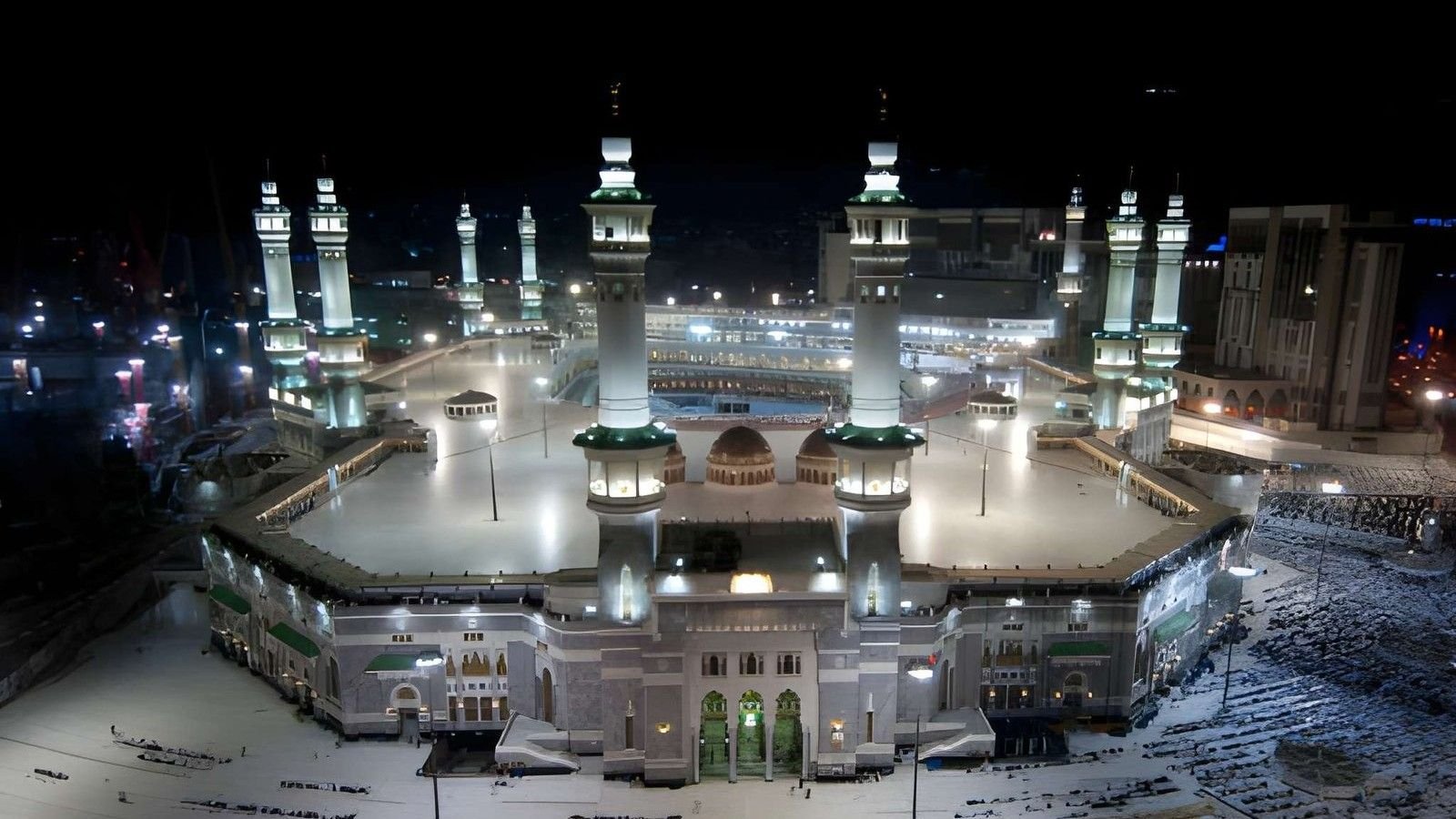
Hajj is the annual pilgrimage to Makkah, Saudi Arabia, and one of the Five Pillars of Islam. Every financially and physically able Muslim is required to perform it at least once in their lifetime. It takes place during the Islamic month of Dhul Hijjah, with the main rites concentrated in five days.
The pilgrimage commemorates the trials of Prophet Ibrahim (AS), his wife Hajar, and their son Ismail (AS). Each ritual, from running between the hills of Safa and Marwah to the symbolic stoning of the pillars, reenacts a moment from that history. Understanding this backstory makes the physical steps feel less mechanical and far more meaningful.
Knowing how to perform Hajj correctly starts with understanding this intention behind each ritual, not just memorizing the sequence. Step-by-Step Hajj Rituals help pilgrims understand the order and meaning of each stage. Following Step-by-Step Hajj Rituals can make the pilgrimage easier to understand and prepare for.
What Are the Different Types of Hajj a Pilgrim Can Perform?
Before the rituals begin, pilgrims choose one of three forms of Hajj. This choice affects how Umrah is combined with Hajj and whether an animal sacrifice is required.
- Hajj al Tamattu: Performing Umrah first, exiting Ihram, then entering Ihram again for Hajj. This is the most common type among pilgrims traveling from outside Saudi Arabia.
- Hajj al Qiran: Combining Hajj and Umrah intentions together and staying in Ihram until Hajj is complete.
- Hajj al-Ifrad: refers to carrying out the Hajj pilgrimage alone, without combining it with Umrah.
Most first-time pilgrims from Pakistan and South Asia perform Tamattu, as it’s considered more manageable for those unfamiliar with the rituals. This choice is usually the first decision pilgrims need to make, since it shapes everything that follows.
How Should Pilgrims Prepare Before Traveling to Makkah?
Preparation determines how smoothly the actual rituals go. A pilgrim who arrives organized spends less energy on logistics and more on worship.
- Complete visa, vaccination, and travel documentation well ahead of departure.
- Learn the basic supplications for Ihram, Tawaf, and Sa’i in advance.
- Pack light, breathable clothing and comfortable, well-worn sandals.
- Arrange accommodation close to the Haram where possible, especially for elderly pilgrims.
- Carry essential medications along with a doctor’s note explaining dosages.
Physical fitness also matters more than most people expect. Hajj involves long hours of walking and standing, so building stamina in the weeks before departure genuinely helps.
This kind of preparation is exactly what makes a solid Hajj guide for first-time pilgrims so valuable, since it removes the guesswork before you even leave home.
What Is the Step-by-Step Hajj Rituals Process?
This is the core sequence pilgrims follow across the days of Hajj. Each stage has a specific location, timing, and intention behind it. Following the Step-by-Step Hajj Rituals in this order is what keeps the pilgrimage valid and stress-free.
What is the way to enter into the state of Ihram?
Ihram is the sacred state a pilgrim enters before crossing the Miqat into the Hajj zone. Men wear two unstitched white cloths, while women wear modest, loose clothing that leaves the face uncovered. Entering Ihram involves a ritual bath, a declared intention (niyyah), and reciting the Talbiyah.
Once in Ihram, restrictions apply, such as avoiding perfume, cutting hair or nails, and hunting, until specific Hajj rituals are completed.
What Happens on the 8th of Dhul Hijjah, the Day of Tarwiyah?
On this day, pilgrims head to Mina, a plain a few kilometers from Makkah, and stay there through the night. They perform five daily prayers shortened but not combined, spending the time in reflection and preparation for the following day, which is the most significant of the entire pilgrimage.
What Happens on the Day of Arafat?
The 9th of Dhul Hijjah is the Day of Arafat, the peak of Hajj. Pilgrims travel from Mina to Arafat and stand there from noon until sunset in prayer and supplication, a ritual known as Wuquf, considered the single most essential part of Hajj.
After sunset, pilgrims move to Muzdalifah, pray Maghrib and Isha combined, and spend the night under the open sky, collecting pebbles for the next day’s stoning ritual at Mina.
What Happens on the 10th of Dhul Hijjah, Eid al-Adha?
On this day, a number of rituals are carried out one after another.
- Stoning the Jamarat al-Aqabah: Throwing seven pebbles at the largest of the three pillars in Mina, symbolizing the rejection of temptation faced by Prophet Ibrahim (AS).
- Qurbani (animal sacrifice): Offering a sacrifice, often arranged through authorized banks or agencies, to commemorate Ibrahim’s willingness to sacrifice his son.
- Shaving or trimming hair: Men typically shave their heads (Halq), while women trim a small portion of their hair.
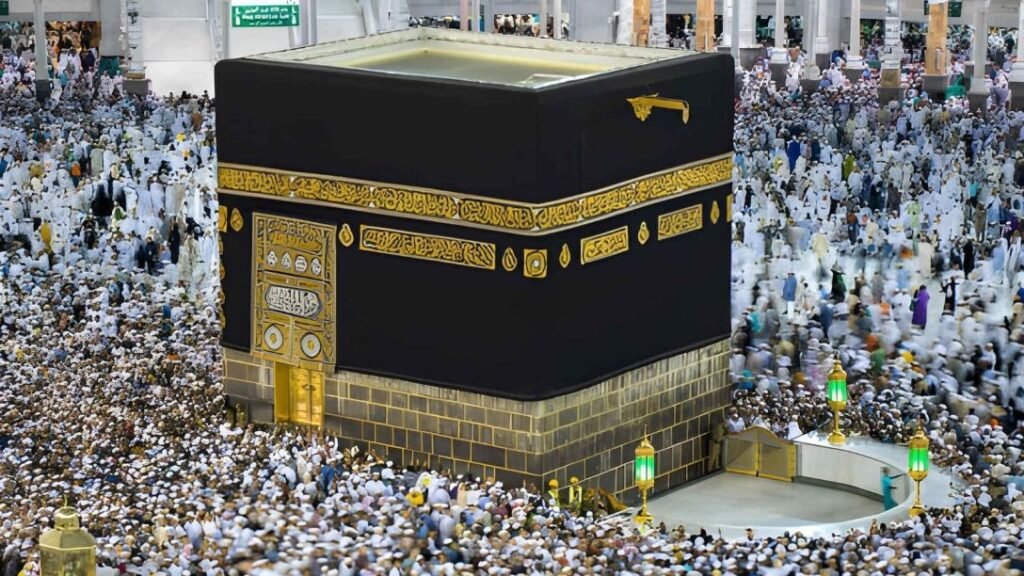
- Tawaf al-Ifadah: Circling the Kaaba seven times, an essential pillar of Hajj that cannot be skipped.
- Sa’i: It involves going back and forth seven times between the two hills of Safa and Marwah, following in the footsteps of Hajar as she desperately looked for water.
Completing these steps allows pilgrims to exit Ihram partially or fully, depending on how many rituals they’ve finished.
What Happens During the Days of Tashreeq?
The 11th, 12th, and sometimes 13th of Dhul Hijjah are known as the Days of Tashreeq. Pilgrims remain in Mina and stone all three Jamarat pillars each day, throwing seven pebbles at each. Many pilgrims choose to leave after the 12th, a practice known as Nafr Awwal, while others stay through the 13th for Nafr Thani.
What Is Tawaf al-Wida, the Farewell Circumambulation?
Before leaving Makkah, pilgrims perform Tawaf al-Wida, a final circling of the Kaaba as a farewell gesture. This marks the formal conclusion of the Hajj rituals, though many pilgrims continue on to Madina to visit the Prophet’s Mosque before heading home.
What Mistakes Should First-Time Pilgrims Avoid During Hajj?
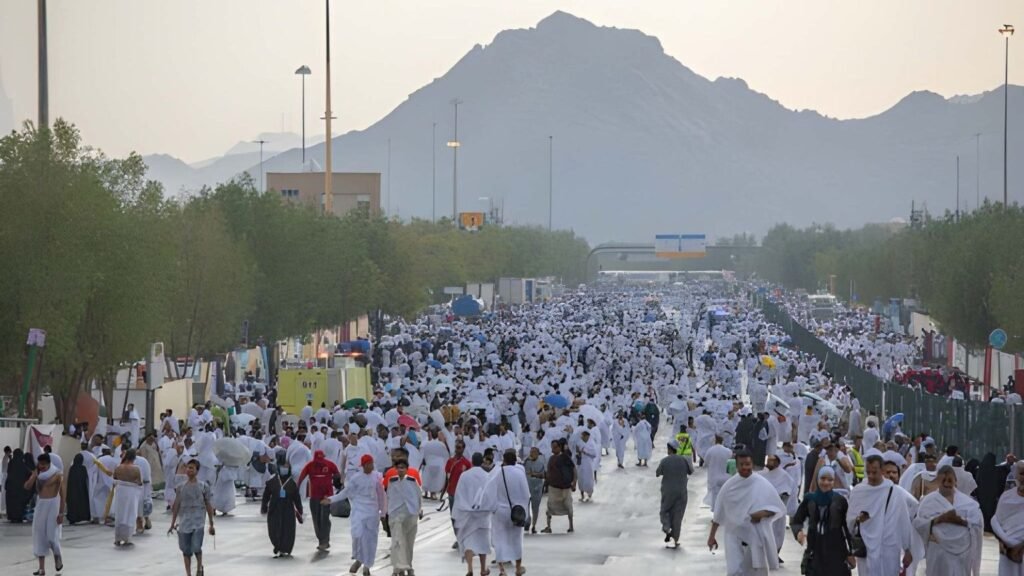
Even well-prepared pilgrims make avoidable errors under the pressure of crowds and heat. Watching for these common issues, a key part of any Hajj process step by step, can prevent unnecessary stress: Step-by-Step Hajj Rituals.
- Rushing through Tawaf or Sa’i without focus, treating them as physical tasks rather than acts of worship.
- Underestimating the physical toll of Arafat and Muzdalifah, especially in extreme heat.
- Losing track of group members in crowds of over a million people.
- Skipping hydration and sun protection during long outdoor rituals.
- Not confirming Qurbani arrangements through a licensed provider.
Traveling with an experienced group significantly reduces these risks, particularly for elderly or first-time pilgrims unfamiliar with the terrain.
Why Choose Aaila Hajj as Your Trusted Hajj and Umrah Partner?
Knowing the rituals is only part of a successful Hajj. The other part is having reliable logistics, comfortable accommodation, and support available when it’s needed most, especially during long days of standing, walking, and travel between holy sites.
Aaila Hajj is an independent Hajj and Umrah travel partner based in Pakistan, with more than 20 years of experience organizing pilgrimages for families, seniors, and first-time travelers. That experience shows in the details pilgrims often don’t think about until they’re already at Ihram: transport timing between Mina, Arafat, and Muzdalifah, hotel proximity to the Haram, and having medical support close by.
Pilgrims traveling with Aaila Hajj can expect:
- Luxury five-star accommodation throughout the journey.
- Three buffet meals daily along with refreshments.
- Air tickets and comfortable flight arrangements.
- Modern, air-conditioned luxury transportation for all group movements.
- Three nights’ stay in luxury hotels in Madina.
- Intercity travel in luxury buses between the holy sites.
- VIP support and 24/7 medical assistance throughout the pilgrimage.
- Dedicated female staff assigned to assist female pilgrims.
- Complete guidance at every ritual, from Ihram to Tawaf al-Wida.
For families and seniors who want the rituals explained clearly and handled without last-minute confusion, this kind of structured support makes a genuine difference. If you’re planning your journey, reach out to Aaila Hajj to discuss a package suited to your family’s needs.
Conclusion
Understanding what happens at each stage before you travel makes the pilgrimage far less overwhelming once you’re standing in Makkah. Each stage, from Ihram at the Miqat to the farewell Tawaf, follows a logical order rooted in centuries of practice and meaning. Step-by-Step Hajj Rituals can help you understand this sequence clearly before you begin your journey.
Pairing that knowledge with a solid grasp of the complete Hajj rituals guide and a support system you trust turns a demanding journey into a manageable, deeply personal one. Preparation, patience, and the right guidance are what carry most pilgrims through successfully.
FAQ’s
How many days does Hajj take to complete?
Hajj rituals span five to six days, typically from the 8th to the 12th or 13th of Dhul Hijjah, depending on whether a pilgrim departs Mina early or stays for the full Days of Tashreeq.
What is the correct order of Hajj rituals?
The order is Ihram, standing at Arafat, overnight stay at Muzdalifah, stoning the Jamarat, Qurbani, Halq or hair trimming, Tawaf al-Ifadah, Sa’i, the Days of Tashreeq, and finally Tawaf al-Wida.
Can Hajj be performed without a physical guide or group?
Yes, but it’s not recommended for first-time pilgrims. The rituals involve strict timing and locations, and having an experienced guide reduces the risk of missing a required step
What is the difference between Hajj and Umrah?
Hajj is obligatory, performed only during specific days of Dhul Hijjah, and includes rituals like standing at Arafat that Umrah does not require. Umrah can be performed at any time of the year and involves fewer steps.
Is Qurbani mandatory for every pilgrim?
Qurbani is mandatory for pilgrims performing Hajj al Tamattu or Hajj al Qiran, since they combine Umrah and Hajj. Pilgrims performing Hajj al Ifrad are not required to offer it.


