

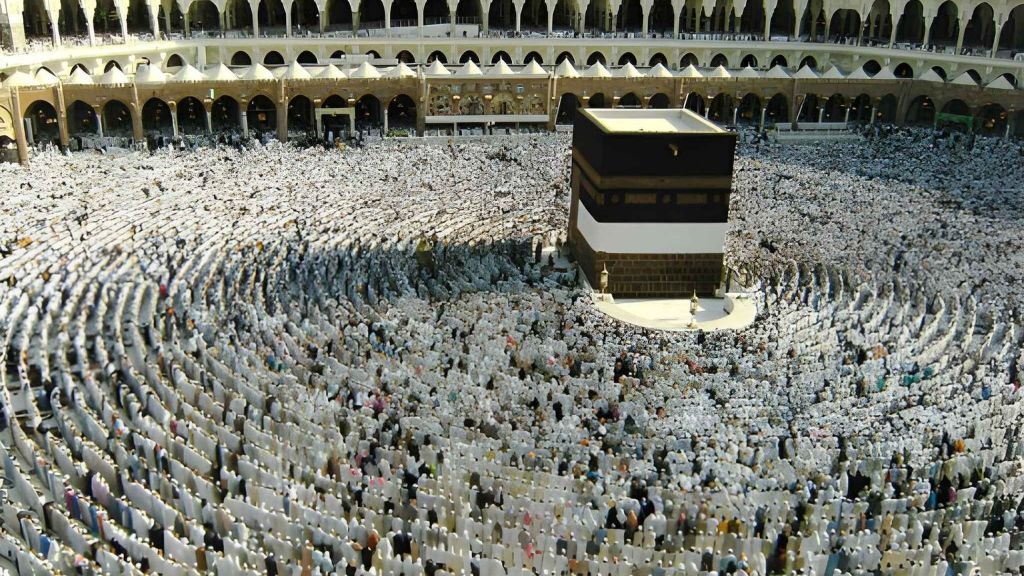
 Umrah
UmrahPlanning Umrah from Pakistan in 2026 looks very different from even a year ago. The latest updates on Umrah policy 2026 framework, introduced under the Hajj and Umrah Act 2024, have changed how pilgrims book travel, how operators are licensed, and how Saudi authorities issue visas.
Every year, thousands of families from across Pakistan set out on this journey with hope and excitement in their hearts. For many, it’s a once-in-a-lifetime experience they’ve saved and planned for over years. But behind that excitement, a lot of paperwork, approvals, and travel arrangements now need careful attention. Getting these small details right early on makes the entire journey far more peaceful later.
If you’re preparing for Umrah this season, understanding these changes isn’t optional. It’s the difference between a smooth pilgrimage and a rejected visa application or a scam booking. This guide breaks down everything currently in effect, in plain language.
What Is the Umrah Policy 2026 Pakistan?
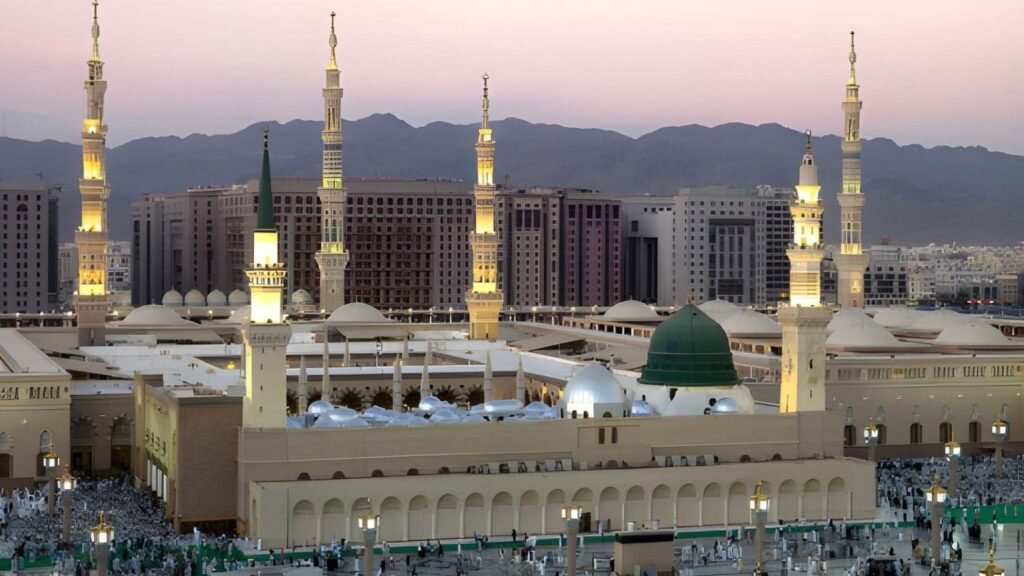
Pakistan’s Umrah Policy 2026 represents a comprehensive governance system developed by the Ministry of Religious Affairs, designed to regulate tour operators, safeguard pilgrims against fraudulent practices, and ensure clear procedures for reservations and financial transactions.
It was formally rolled out in July 2026 under the authority of the Hajj and Umrah Act 2024, which shifted Umrah oversight from an unregulated private market into a licensed, government-supervised system. In short: Umrah is no longer treated as a loosely managed travel service in Pakistan. It’s now a regulated industry, similar to how Hajj operations have long been managed.
An Umrah Policy Committee, chaired by the Additional Secretary of the Ministry of Religious Affairs, was formed to design and supervise the framework. The committee includes representatives from the Ministries of Interior, Foreign Affairs, and Law, along with the Cabinet Division, giving the policy real enforcement weight across departments.
What Are the New Umrah Regulations in Pakistan?
The new Umrah regulations in Pakistan center on one core idea: only approved, government-registered companies can legally organize Umrah trips.
Here’s what has practically changed for pilgrims and agencies alike:
- Exclusively licensed travel agents authorized by the Ministry of Religious Affairs are permitted to provide Umrah services.
- A public list of approved operators is being published on the ministry’s official website so pilgrims can verify a company before paying.
- Payments must go through traceable bank transfers rather than cash, so transactions can be documented.
- Agencies must maintain proper records of bookings, contracts, and payment receipts.
- Unlicensed or unregistered agents are barred from marketing or selling Umrah packages.
This matters because unlicensed “Umrah agents” have historically taken advance payments and disappeared, leaving pilgrims stranded without visas or flights. The new Umrah rules 2026 aim to close that gap by making the paper trail mandatory.
How Does the Hajj and Umrah Act 2024 Support This Policy?
The Hajj and Umrah Act 2024 is the legal backbone that gives the Ministry of Religious Affairs authority to regulate Umrah, something that previously fell into a grey area compared to the tightly controlled Hajj quota system.
Before this act, Umrah agencies operated with minimal government checks, since Umrah (unlike Hajj) has no fixed annual quota from Saudi Arabia. The act formalizes licensing requirements, sets penalties for non-compliant operators, and gives legal cover to the Umrah Policy Committee’s decisions.
For pilgrims, this means complaints against fraudulent or negligent operators now have an actual legal and regulatory channel, rather than depending on informal consumer protection routes.
What Are the Saudi Arabia Umrah Regulations Pakistani Pilgrims Must Follow?
While Pakistan regulates its operators, Saudi Arabia Umrah regulations govern the visa and entry process itself, and these have also tightened for the 2026 season.
The key updates pilgrims need to know:
- Nusuk Masar booking is mandatory: Saudi authorities will not issue an Umrah visa without a confirmed hotel booking made through the official Nusuk Masar platform, tied to a Booking Reference Number (BRN).
- Reduced entry window: Umrah visas are now valid for entry within 30 days of issuance, down from the earlier three-month window. If you don’t enter Saudi Arabia within that period, the visa expires automatically.
- Longer stay allowance: Once you enter, you can still stay for up to 90 days, giving enough time to visit Makkah, Madinah, and nearby cities.
- Licensed hotels only: Only accommodation licensed by the Saudi Ministry of Tourism qualifies for Nusuk Masar bookings.
- Transport must be pre-booked: Airport transfers and intercity travel between Makkah and Madinah must be arranged and confirmed before the visa application is submitted.
- No mahram requirement removed: Women of all ages can now perform Umrah without a male guardian, provided they travel as part of a licensed, organized group.
- Mandatory vaccinations: Meningitis (ACWY) is required for all pilgrims, and the Polio (OPV) vaccine remains specifically mandatory for Pakistani travelers.
Together, these rules push the entire process toward a “no booking, no visa” model, which is why working with a properly licensed agency has become far more important than it used to be.
Which Papers Are Mandatory for Umrah Application in 2026?
Under the combined Pakistani and Saudi requirements, pilgrims should prepare the following before applying:
- Original passport valid for at least six months (eight months is safer for smooth processing)
- Two latest passport-size pictures with a white backdrop
- A clear copy of a valid CNIC or B Form for children
- Meningitis (ACWY) vaccination certificate
- Polio (OPV) vaccination certificate
- Confirmed return flight ticket
- Hotel booking voucher with a valid Booking Reference Number (BRN)
- Registration confirmation from a Ministry-authorized tour operator
Missing even one of these, particularly the polio certificate, has led to pilgrims being offloaded at the airport in past seasons, so this step deserves real attention rather than last-minute scrambling.
Why Do Umrah Policy Updates in Pakistan Matter for Pilgrims?
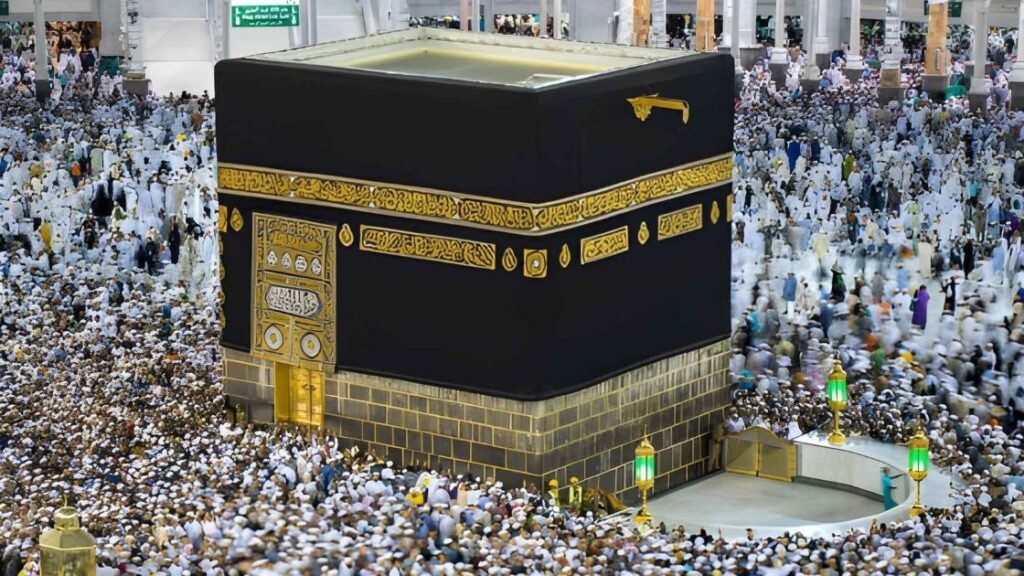
The Umrah policy updates Pakistan has introduced aren’t just bureaucratic paperwork. They directly affect your money, your travel dates, and your safety.
Previously, a pilgrim could pay an unregistered “agent” in cash, receive no formal contract, and have no recourse if the trip fell through. Now, bank transfer requirements and mandatory licensing create a documented trail that regulators and pilgrims can actually use if something goes wrong.
There’s also a practical timing angle. Because Saudi visas now expire within 30 days of issuance, pilgrims can no longer apply for a visa far in advance “just to be safe.” Flights, hotel bookings, and visa issuance now need to be coordinated closely together, which favors working with an experienced agency that manages this timeline professionally.
How Can Pilgrims Verify an Approved Umrah Operator?
Verification is now a formal step, not a guess based on word of mouth. Pilgrims are advised to check the Ministry of Religious Affairs’ official website for the published list of approved operators before paying any advance.
A few practical checks worth doing:
- Confirm the agency’s registration number matches the ministry’s public list.
- Ask for a written contract that specifies flights, hotel category, and duration.
- Insist on bank transfer payments rather than cash, so there’s a financial record.
- Check that the hotel being offered is actually bookable through Nusuk Masar.
If an agency resists providing documentation or pushes for cash only payments, that’s a warning sign worth taking seriously under the current regulatory environment.
Why Pilgrims Trust Aaila Hajj for Their Umrah Journey
With so many new compliance requirements around licensing, bookings, and documentation, choosing an experienced Hajj and Umrah partner has become genuinely important, not just a matter of convenience.
Aaila Hajj is an independent Hajj and Umrah travel partner based in Pakistan with more than 20 years of experience managing pilgrim journeys through exactly this kind of regulatory landscape. That track record matters when visa timelines are tighter, and Nusuk Masar bookings must be handled correctly the first time.
Pilgrims traveling with Aaila Hajj can expect a level of comfort and support built around the realities of a long spiritual journey:
- Luxury five-star accommodation throughout the trip
- Three buffet meals daily along with refreshments
- Air tickets and comfortable, well-planned flights
- Modern, luxury transportation for all ground travel
- Three-night accommodation in premium hotels located in Madina
- Intercity travel handled in luxury buses
- VIP support with 24/7 medical assistance on hand
- Dedicated female staff assigned for female pilgrims
- Full assistance and help throughout all phases of your trip
Rather than leaving pilgrims to navigate licensing checks, Nusuk bookings, and vaccination requirements alone, Aaila Hajj handles the coordination so the focus can stay where it belongs on the pilgrimage itself. If you’re planning your Umrah or Hajj trip, reaching out to Aaila Hajj for guidance is a practical first step.
Conclusion
The Latest Updates on Umrah Policy 2026 represent the biggest shift in how Umrah travel is regulated in the country’s recent history, moving the industry from a loosely supervised market into a licensed, accountable system. Combined with tightened Saudi entry rules, pilgrims now need to plan earlier, verify operators carefully, and keep every document in order.
None of this needs to be intimidating, though. The new Umrah policy 2026 exists specifically to protect pilgrims, not complicate their journey unnecessarily, and working with a properly registered, experienced agency removes most of the guesswork. With the right preparation and the right travel partner, performing Umrah in 2026 can still be as smooth and spiritually focused as it should be.
FAQ’s
What is the Umrah Policy 2026 Pakistan?
It’s a regulatory framework introduced by Pakistan’s Ministry of Religious Affairs under the Hajj and Umrah Act 2024, requiring all Umrah operators to be officially licensed and approved before offering packages to pilgrims.
When did the new Umrah rules in Pakistan take effect?
The policy became effective in July 2026, following a formal notification from the Ministry of Religious Affairs that established the Umrah Policy Committee and set out licensing requirements.
Do women need a mahram to perform Umrah in 2026?
No. Under the updated Saudi Arabia Umrah regulations, women of all ages can perform Umrah without a male guardian, provided they travel as part of a licensed, organized tour group.
How long is an Umrah visa valid for entry in 2026?
The entry window is 30 days from the date the visa is issued. Once you enter Saudi Arabia, you can stay for up to 90 days.
Can I get an Umrah visa without a hotel booking?
No. Saudi authorities now require a confirmed hotel booking through the Nusuk Masar platform, linked to a Booking Reference Number, before an Umrah visa can be issued.


Umrah Cancellation Policy: Refunds, Rules, And Rescheduling!
October 14, 2026 - 6:52 am[…] you find yourself in a position where you must cancel Umrah trip arrangements, acting quickly is your absolute best defense against heavy financial penalties. […]