

 Hajj
HajjThe History of Safa and Marwa in Islam begins with a mother’s desperate search for water in a barren valley and ends as one of the most spiritually significant rituals of Hajj and Umrah. Every pilgrim who walks between these two hills in Makkah is retracing footsteps that are over 4,000 years old. Understanding this history changes how a pilgrim experiences Sa’i, turning a physical walk into an act of remembrance.
Makkah’s landscape today looks nothing like the harsh, empty valley it once was. Yet beneath the marble floors and air-conditioned corridors lies a story of survival, faith, and divine mercy that shaped an entire city. Pilgrims from every corner of the world walk this path each year, often without knowing the full depth of what happened here. Getting familiar with that background adds real weight to the experience.
This article explains where the tradition comes from, what the Quran says about it, and why millions of Muslims still perform it every year. Whether you are preparing for your first Umrah or simply want to understand the roots of this ritual, this guide covers everything you need.
What Is the Story of Safa and Marwa?
The story of Safa and Marwa centers on Hajar (Hagar), the wife of Prophet Ibrahim (peace be upon him), and their infant son, Ismail (peace be upon him). Ibrahim left Hajar and Ismail in the empty valley of Makkah under Allah’s command, with very limited food and water.
When the water ran out, Hajar grew anxious for her crying infant. She climbed the hill of Safa to look for any sign of help or water in the distance. Seeing nothing, she ran to the nearby hill of Marwa, hoping for a better view.
She repeated this back-and-forth journey seven times, moving between the two hills in search of aid. This act of faith, patience, and trust in Allah became the foundation of the Sa’i ritual performed during Hajj and Umrah today.
How Did the Zamzam Well Appear During This Search?
During her seventh trip, Hajar heard a sound near her son Ismail. According to the widely reported hadith, an angel (identified by many scholars as Angel Jibreel) struck the ground, or Ismail’s heel touched the earth, and water sprang forth miraculously.
This spring became known as Zamzam, a well that still flows today, over four millennia later, without ever running dry. Key facts about this event include:
- The well appeared near the location of the Kaaba, in what is now the Grand Mosque complex.
- Hajar secured the water by saying “Zam Zam,” meaning “stop, stop,” to prevent it from overflowing.
- The water’s continuous flow, despite heavy daily consumption by millions of pilgrims, is often cited by scholars as a sign of divine blessing.
- News of the water source eventually attracted the Arab tribe of Jurhum, who settled in the valley and helped establish Makkah as a permanent settlement.
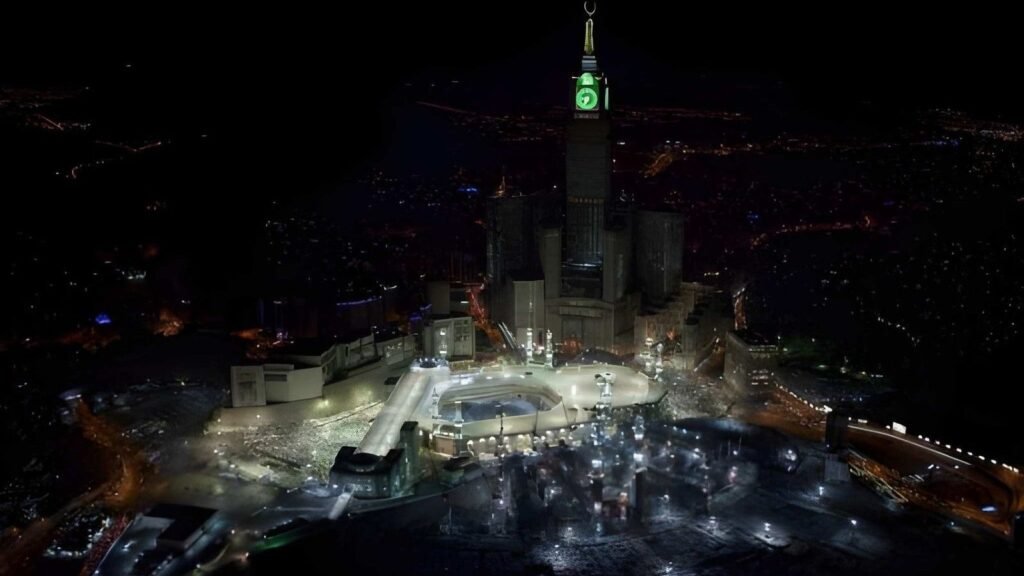
This miracle transformed an empty valley into a thriving city and laid the geographic foundation for the Kaaba and the Grand Mosque.
Where Are Safa and Marwa in the Quran?
Safa and Marwa in Quran are mentioned directly, confirming their status as sacred sites rather than just historical landmarks. Allah says in Surah Al-Baqarah:
“Indeed, Safa and Marwa are among the symbols of Allah. So whoever makes Hajj to the House or performs Umrah, there is no blame upon him for walking between them.” (Quran 2:158)
This verse does two important things. It confirms that walking between Safa and Marwa is a recognized act of worship, and it removed any doubt among early Muslims about whether the ritual was permissible, since idols had once stood near these hills during the pre-Islamic era.
Islamic scholars, including commentators like Ibn Kathir, explain that this verse was revealed partly to reassure companions who hesitated to perform Sa’i because of its earlier association with idol worship before Islam purified the practice.
Why Is Sa’i an Essential Part of Hajj and Umrah?
Sa’i, the ritual walk between Safa and Marwa, is considered a compulsory pillar of Umrah and a required rite of Hajj according to the majority of Islamic scholars. Anyone studying the Safa and Marwa history in Islam quickly realizes its significance goes beyond ritual obligation and connects directly to core Islamic values.
Here is why this ritual holds such weight:
- It commemorates trust in Allah: Hajar did not despair even in a life-threatening situation; she kept moving and searching, teaching pilgrims that effort paired with faith is rewarded.
- It honors a woman’s role in Islamic history: Hajar is one of the few women whose actions became a permanent, mandatory ritual observed by both men and women.
- It links struggle to divine mercy: The Zamzam well appeared precisely because Hajar did not give up, reinforcing the Islamic principle that sincere effort invites Allah’s help.
- It unites pilgrims across generations: Millions of Muslims performing the same seven laps every year create a living connection to the Prophet Ibrahim’s family.
For any pilgrim, understanding this backstory before performing Sa’i adds emotional depth to what might otherwise feel like a purely physical task.
How Is Sa’i Performed Today?
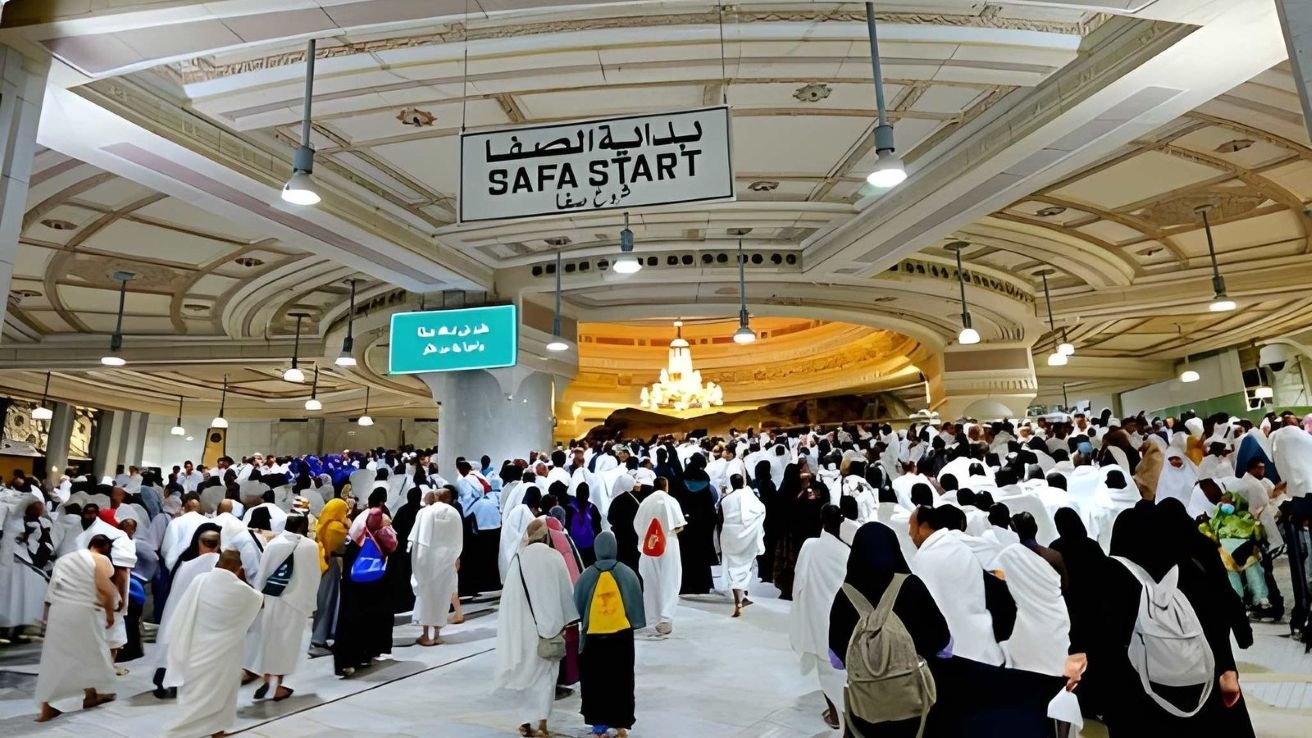
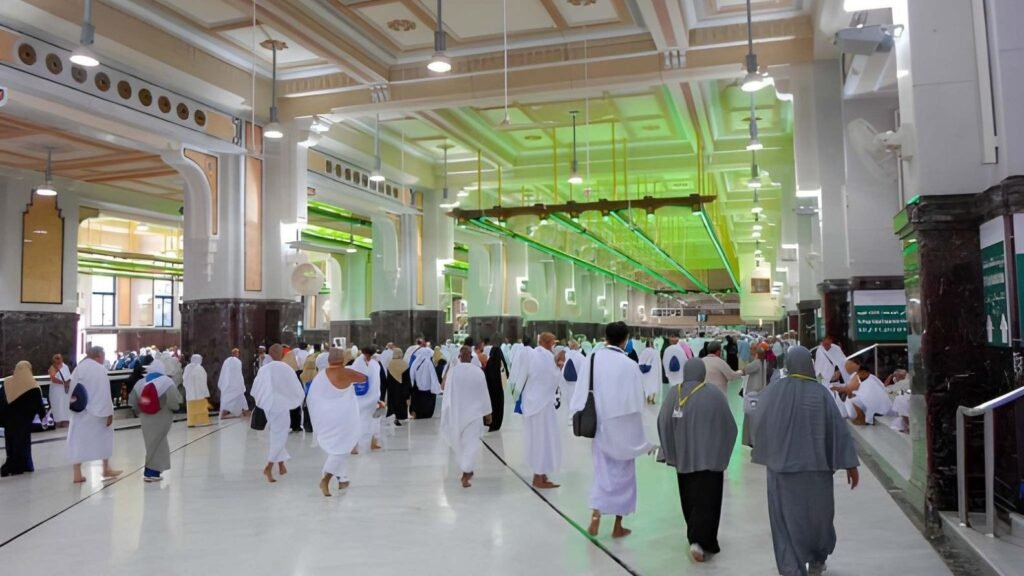
Modern Sa’i takes place inside an enclosed, air-conditioned gallery connected to the Grand Mosque, spanning approximately 450 meters between Safa and Marwa. Pilgrims complete seven trips total, starting at Safa and ending at Marwa.
The process generally follows these steps:
- Pilgrims begin at Mount Safa, facing the Kaaba, and recite specific supplications.
- They walk toward Marwa, completing one length of the corridor.
- Men are encouraged to jog briefly through a marked green zone, commemorating Hajar’s urgency, while women walk normally throughout.
- The return trip from Marwa to Safa counts as the second lap.
- This continues until seven laps are completed, ending at Marwa.
The Saudi authorities have modernized the walkway with multiple levels, air conditioning, and wheelchair accessible lanes, making the ritual manageable for elderly and physically limited pilgrims.
What Lessons Do Muslims Draw From This History?
The Safa and Marwa history in Islam offers practical lessons that extend well beyond ritual worship. Scholars frequently highlight three central themes drawn from Hajar’s experience.
First, patience under hardship is rewarded, even when relief seems distant or uncertain. Second, taking consistent action, rather than waiting passively, is itself an act of faith. Third, Allah’s mercy often arrives at the point of greatest need, not before it.
These lessons are why many Hajj and Umrah guides encourage pilgrims to reflect on Hajar’s story before starting Sa’i, rather than treating it as a routine physical activity between two other rituals.
Why Choose Aaila Hajj for a Meaningful Pilgrimage Experience?
Understanding the History of Safa and Marwa in Islam is only part of preparing for a spiritually rewarding Hajj or Umrah. The physical and logistical side of the journey matters just as much, especially for families, senior pilgrims, and first-timers who want to focus on worship rather than travel stress.
Aaila Hajj is an independent Hajj and Umrah travel partner based in Pakistan, with more than 20 years of experience organizing pilgrimages for Pakistani travelers. That experience translates into smoother visa processing, better hotel placements, and fewer last-minute surprises during the journey.
Pilgrims traveling with Aaila Hajj benefit from a well-rounded package designed around comfort and worship, including:
- Luxury five-star accommodation near the holy sites
- Three buffet meals daily along with refreshments
- Air tickets and comfortable flight arrangements
- Modern luxury transportation throughout the journey
- Three nights’ stay in luxury hotels in Madina
- Intercity travel in air-conditioned luxury buses
- VIP support with 24/7 medical assistance on call
- Dedicated female staff to assist female pilgrims with privacy and comfort
- Complete guidance and support at every stage of Hajj or Umrah
For pilgrims who want to walk between Safa and Marwa with a clear mind, free from logistical worries, choosing an experienced partner makes a genuine difference. If you are planning your journey, reach out to Aaila Hajj to discuss a package suited to your family’s needs.
Conclusion
The History of Safa and Marwa in Islam is far more than a historical footnote. It is a story of a mother’s unwavering faith, a miracle that gave rise to the city of Makkah, and a ritual that continues to shape the spiritual journey of millions each year.
Every time a pilgrim completes the story of Safa and Marwa through Sa’i, they connect with Hajar’s patience and trust in Allah, carrying that same lesson into their own lives long after the pilgrimage ends. Preparing for that journey thoughtfully, both spiritually and logistically, allows the experience to leave its full impact.
FAQ’s
What is the significance of Safa and Marwa in Islam?
Safa and Marwa mark the location where Hajar searched for water for her infant son, Ismail. Walking between them, known as Sa’i, commemorates her faith and is a required ritual in both Hajj and Umrah.
Why did Hajar run between Safa and Marwa?
Hajar ran between the two hills to search for water or help after she and her son Ismail were left alone in the valley of Makkah with limited supplies. She repeated this seven times before the Zamzam well appeared.
Is Sa’i mentioned in the Quran?
Yes. Surah Al-Baqarah, verse 158, mentions Safa and Marwa directly, describing them as symbols of Allah and confirming that walking between them during Hajj or Umrah carries no blame.
How many times do pilgrims walk between Safa and Marwa?
Pilgrims walk seven times total, starting at Safa and finishing at Marwa. Each one-way trip counts as a single lap, whether walking from Safa to Marwa or back again.
What is the connection between Safa, Marwa, and the Zamzam well?
The Zamzam well appeared during Hajar’s search between Safa and Marwa, when water sprang from the ground near her son Ismail. This same well still supplies water to millions of pilgrims today.


