

 Hajj
HajjEvery pilgrim who travels to Saudi Arabia carries more than luggage. They carry years of hope and a deep desire to walk where Islamic history was made. This Ziyarat in Makkah & Madinah transforms your dream into a carefully organized and spiritually fulfilling pilgrimage.
Ziyarat, meaning “to visit” in Arabic, refers to visiting sites of religious and historical significance connected to the life of Prophet Muhammad (PBUH) and early Islamic history. It is not mandatory during Hajj or Umrah, but most scholars agree it deepens a pilgrim’s understanding of Islam and strengthens faith.
Whether you’re a first-time visitor or returning pilgrim, this guide covers the essential Ziyarat places in Makkah and Madinah, explains their religious importance, and shares real-world tips on timing and respectful behavior for a truly meaningful visit.
What Does Ziyarat Mean in Islamic Tradition?
Ziyarat is the act of visiting places connected to the Prophet Muhammad (PBUH), his companions, and significant events in early Islamic history. It is rooted in respect and reflection rather than worship of the sites themselves.
Islamic scholars are clear that Ziyarat should never involve seeking blessings from stones, buildings, or graves. The purpose is educational and spiritual: pilgrims reflect on the sacrifices of early Muslims and draw lessons for their own lives, approaching every site with humility rather than ritual beyond what Islam prescribes.
Which Ziyarat Places Should You Visit in Makkah?
Makkah’s ziyarat sites are mostly connected to the earliest days of Islam, the life of Prophet Ibrahim (AS), and the Prophet’s own struggles before the migration to Madinah. Here are the Makkah ziyarat places most pilgrims prioritize.
What Is the Significance of Jabal al-Noor and the Cave of Hira?
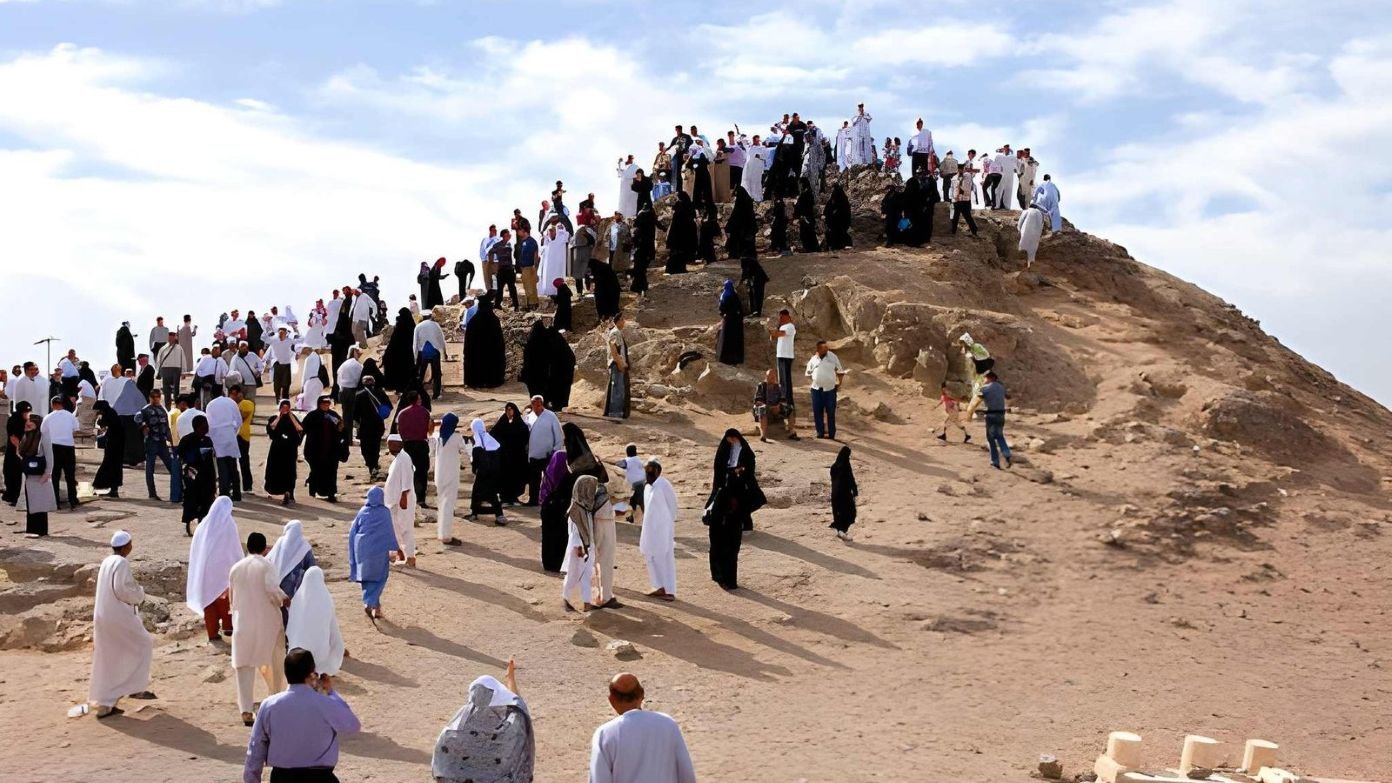
Jabal al-Noor, or the “Mountain of Light,” sits on the outskirts of Makkah and holds the Cave of Hira near its summit, where the Prophet Muhammad (PBUH) received the first revelation of the Quran.
The climb takes roughly one to two hours depending on fitness level. It is a steep, rocky path, so comfortable shoes and water are essential, especially in summer when Makkah’s temperatures regularly exceed 40 degrees Celsius.
Why Do Pilgrims Visit Jabal Thawr?
Jabal Thawr is the mountain where the Prophet (PBUH) and Abu Bakr (RA) hid for three days during their migration to Madinah, evading pursuers from the Quraysh. It stands as a physical reminder of trust in Allah during extreme danger.
The climb is more remote and considerably harder than Jabal al-Noor. Many pilgrims, especially older travelers, choose to view it from a distance rather than attempt the ascent.
What Can You Learn From Jannat al-Mualla?
Jannat al-Mualla is the historic cemetery in Makkah where several of the Prophet’s family members are buried, including his first wife, Khadijah (RA). It is one of the oldest Islamic cemeteries and holds deep emotional significance for visitors.
Pilgrims often visit to offer prayers for the deceased and reflect on mortality, a practice encouraged in Islamic teaching. Entry rules can change, so checking current guidelines before visiting is wise.
Which Other Historical Sites Matter in Makkah?
Beyond the major sites, a few other locations round out a thorough Makkah ziyarat itinerary:
- Masjid al-Jinn: Marks where a group of jinn reportedly accepted Islam after hearing the Prophet recite the Quran.
- Masjid Namira: Located in Arafat, where the Prophet delivered his Farewell Sermon.
- Mina and Muzdalifah: Central to Hajj rituals, tied to the stoning of the devil and Prophet Ibrahim’s (AS) trials.
- Birthplace of the Prophet (PBUH): Near the Grand Mosque, though access can be restricted.
Which Ziyarat Places Should You Visit in Madinah?
Madinah holds a different significance. This is where the Prophet (PBUH) built the first Islamic society, and the Madinah ziyarat places reflect that legacy of community, sacrifice, and leadership.
What Makes Masjid an-Nabawi the Heart of Madinah?
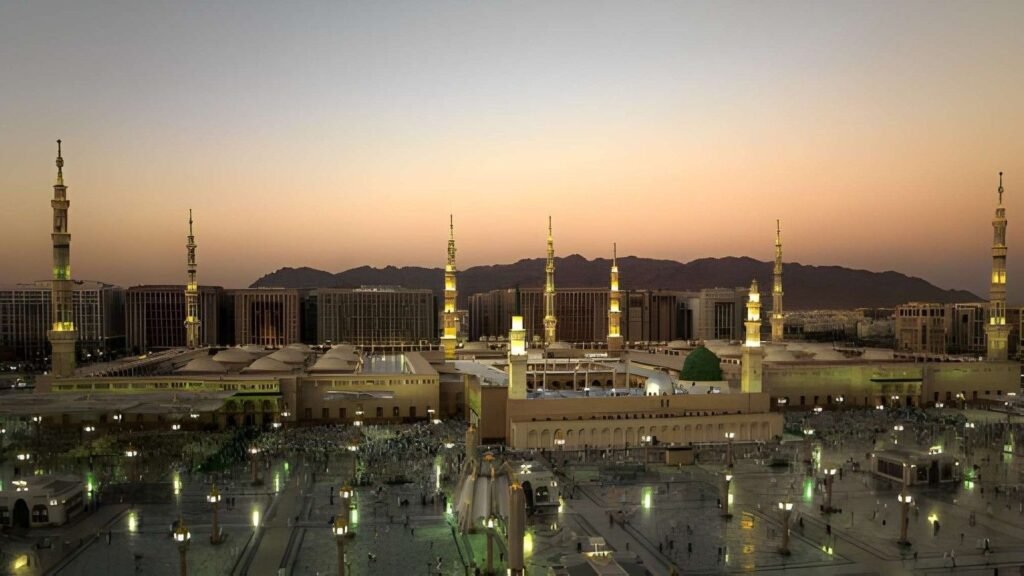
Masjid an-Nabawi, the Prophet’s Mosque, is the second holiest site in Islam after the Grand Mosque in Makkah. It houses the Rawdah, a section between the Prophet’s tomb and pulpit that he described as a “garden from the gardens of Paradise.”
Praying in the Rawdah is a priority for most visitors, though access requires booking through the official Nusuk app. Arriving early, particularly for Fajr, generally offers a calmer experience with shorter waits.
Why Is Jannat al-Baqi Important to Visit?
Jannat al-Baqi is the main cemetery in Madinah, located right beside Masjid an-Nabawi. It is the final resting place for thousands of the Prophet’s companions and early Muslims.
Visiting hours are limited, typically opening briefly after Fajr and Asr for men, while access for women can vary. Pilgrims use the visit to reflect on the legacy of the earliest Muslim community and make supplications for the deceased.
What Happened at the Battle of Uhud Site?
Mount Uhud was the site of the second major battle in Islamic history, fought in 625 CE between the early Muslims and the Quraysh. Seventy companions, including the Prophet’s uncle Hamza (RA), were martyred here.
A small cemetery near the base holds their graves. The site offers a powerful lesson on discipline and unity, themes drawn directly from the Quranic account of the battle.
What Should You Know About Quba Mosque?
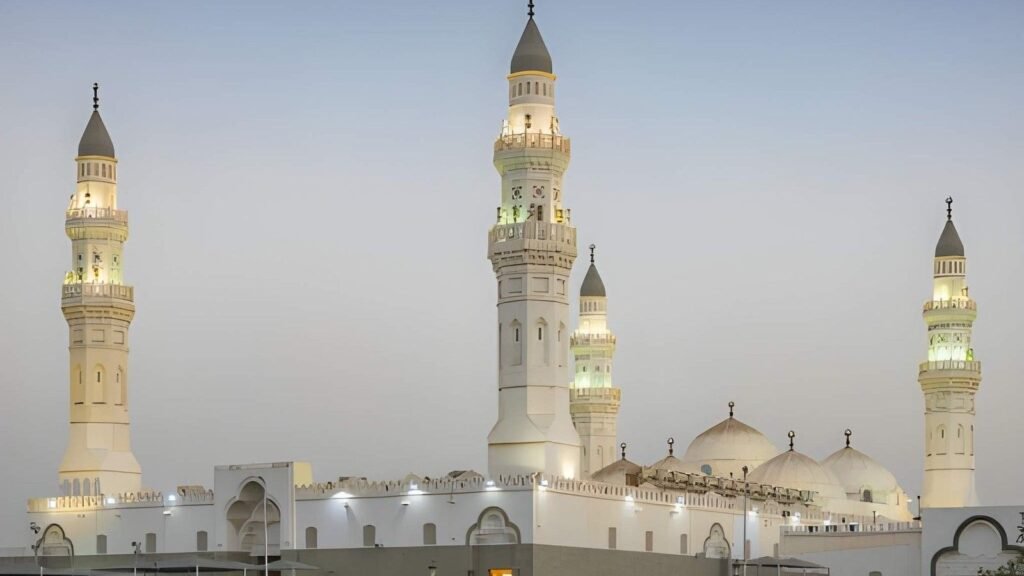
Masjid Quba holds the distinction of being the first mosque built in Islamic history, constructed by the Prophet (PBUH) shortly after arriving in Madinah. He reportedly said that praying two rak’ahs here carries the reward of performing an Umrah.
This makes it one of the most visited Madinah ziyarat places, and many pilgrims plan their trip on a Saturday, following the Prophet’s own practice.
Are There Other Notable Sites Around Madinah?
A well-rounded Madinah ziyarat trip usually includes these additional stops:
- Masjid Qiblatain: The “Mosque of Two Qiblas,” where prayer direction changed from Jerusalem to Makkah.
- Seven Mosques (Sab’a Masajid): A cluster of small mosques linked to the Battle of the Trench.
- Well of Uthman (Bir Uthman): Purchased by Uthman ibn Affan (RA) for the community’s water supply.
- Date farms and old market area: Offering insight into daily life in the Prophet’s time.
How Should Pilgrims Plan Their Ziyarat Itinerary?
Good planning turns a rushed checklist into a meaningful experience. This section of the ziyarat guide for pilgrims covers the practical side of your trip.
Timing matters more than most first-time pilgrims expect. Early mornings, right after Fajr, tend to be cooler and less crowded at outdoor sites like Jabal al-Noor and Jabal Thawr. Group tours arranged through your travel operator are usually more efficient than independent transport, since sites are spread across the city and traffic near the Haramain gets unpredictable during peak season.
Here are some useful tips you should remember:
- Carry identification documents at all times, particularly during Hajj season.
- Dress modestly and comfortably, since some sites involve uneven, rocky terrain.
- Respect restricted areas, as several sites limit access for preservation or crowd control.
- Keep phones charged for the Nusuk app, required for Rawdah bookings and other site access.
Why Does Ziyarat Etiquette Matter So Much?
Etiquette shapes how meaningful your visit becomes. Islamic teaching emphasizes humility and reflection during Ziyarat, not spectacle or superstition.
Avoid touching graves, walls, or structures with the intention of seeking blessing, as this contradicts core Islamic teachings on monotheism. Keep voices low near cemeteries and mosques out of respect for other worshippers.
Photography is restricted or discouraged at several sites, particularly cemeteries. Checking local signage or asking your guide before taking pictures shows respect for the site’s purpose.
How Aaila Hajj Makes Your Ziyarat Journey Easier
Planning a Ziyarat itinerary alongside your Hajj or Umrah obligations can feel overwhelming, especially for first-time travelers unfamiliar with Saudi Arabia’s geography. This is where an experienced travel partner makes a real difference.
Aaila Hajj is a trusted Hajj and Umrah travel partner based in Pakistan, operating independently with more than 20 years of experience organizing pilgrimages for families, seniors, and first-time travelers. That experience means Ziyarat visits are scheduled thoughtfully around prayer times and rest periods, not squeezed in as an afterthought.
Pilgrims traveling with Aaila Hajj benefit from several practical advantages:
- Luxury five-star accommodation throughout the journey.
- Three buffet meals daily along with refreshments.
- Air tickets and comfortable flights included in the package.
- Modern luxury transportation for local and intercity travel, including luxury buses.
- Three nights’ stay in luxury hotels in Madina, allowing time for ziyarat without rushing.
- VIP support and 24/7 medical assistance, valuable for senior pilgrims.
- Dedicated female staff to assist female pilgrims with their specific needs.
- Complete guidance and support at every stage, from documentation to on-ground assistance.
If you want a partner that handles the logistics while you focus on reflection and worship, reaching out to Aaila Hajj is a practical next step.
Conclusion
A properly organized ziyarat in Makkah & Madinah allows you to explore the holy cities with real intention, rather than simply ticking off places before your flight back. Every mountain, mosque, and cemetery mentioned here carries a lesson that becomes far more powerful when witnessed in person.
Whether you’re organizing your own ziyarat guide for pilgrims or joining a group tour, the goal stays the same: respectful reflection over rushed sightseeing. Take your time, prioritize the sites that matter most to you, and let their history strengthen your faith long after you return home.
FAQ’s
Is Ziyarat compulsory during Hajj or Umrah?
No. Ziyarat is a recommended practice that many pilgrims include because it deepens their understanding of Islamic history and the life of the Prophet Muhammad (PBUH).
How many days should I set aside for Ziyarat?
Most pilgrims allocate one full day for Makkah ziyarat sites and one to two days for Madinah ziyarat sites, depending on group size and mobility.
Can women visit all Ziyarat sites?
Most sites are open to women, though parts of Jannat al-Baqi have limited access hours for women. Checking with your tour guide beforehand avoids confusion on the day of the visit.
Do I need to book anything in advance?
Access to the Rawdah in Masjid an-Nabawi requires booking through the Nusuk app. Most other ziyarat sites need no formal booking, though group tours are usually arranged through travel operators.
What is the best time of day to visit Ziyarat sites?
Early morning, shortly after Fajr, is best. Temperatures are cooler, crowds are thinner, and outdoor sites like Jabal al-Noor and Jabal Thawr are far more manageable.


