

 Hajj
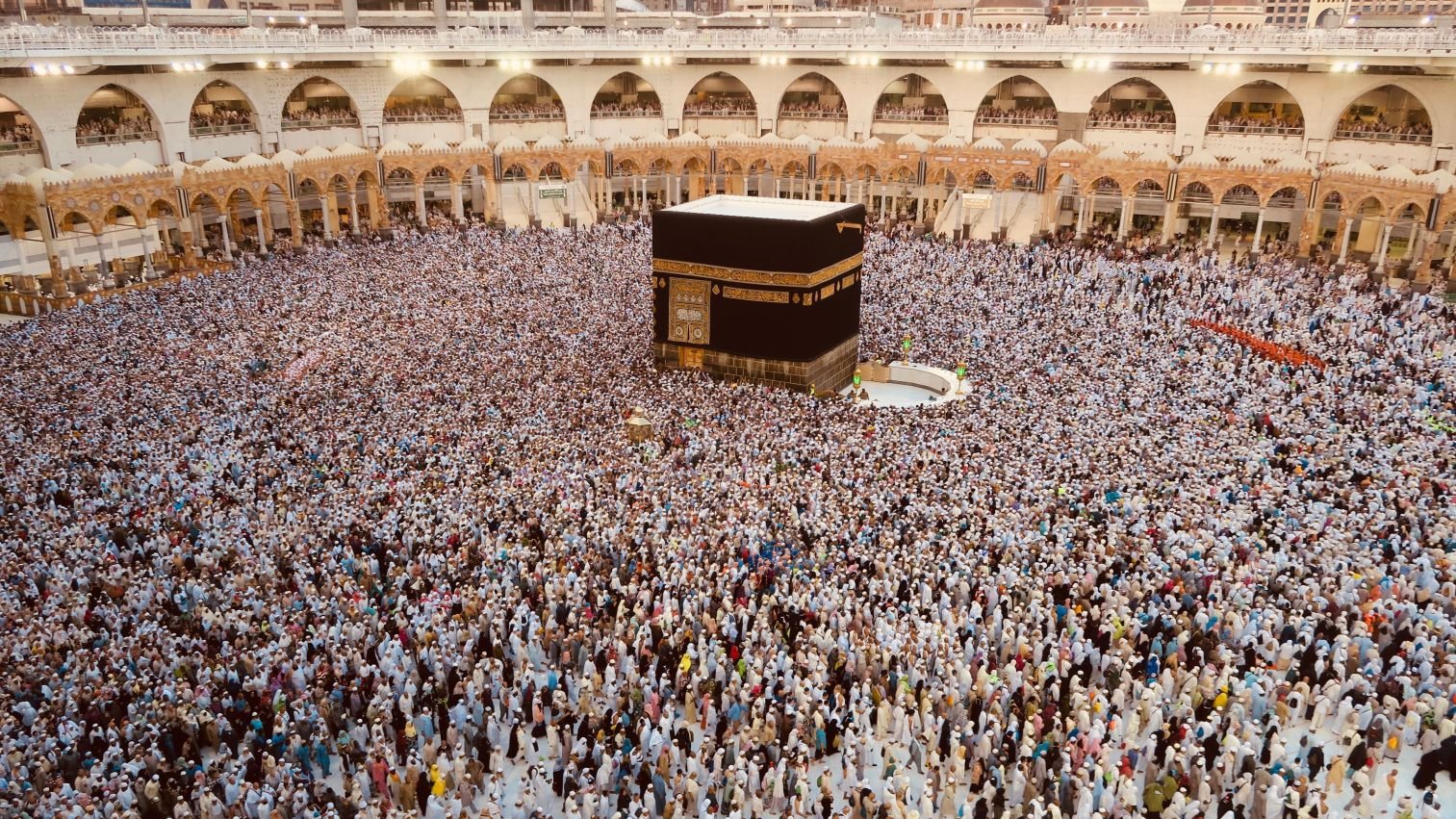
HajjMillions of Muslims travel to Makkah every year to complete one journey that reshapes their faith. The Importance of Hajj in Islam is not just about travel logistics or checking off a religious duty. It’s about standing before Allah, stripped of status, wealth, and worldly labels, alongside people from every corner of the earth.
Every year, the scenes from Makkah remind the world of something rare: unity without boundaries. Rich or poor, young or old, everyone walks the same path, wears the same simple clothing, and prays with the same sincerity. It’s a moment where personal struggles pause, and faith takes center stage. For many, it becomes the most emotional and defining experience of their entire life.
This guide breaks down why Hajj holds such a central place in Islamic belief, what it means for a Muslim’s spiritual life, and what every pilgrim should know before making the journey.
What Is Hajj and Why Does It Matter?
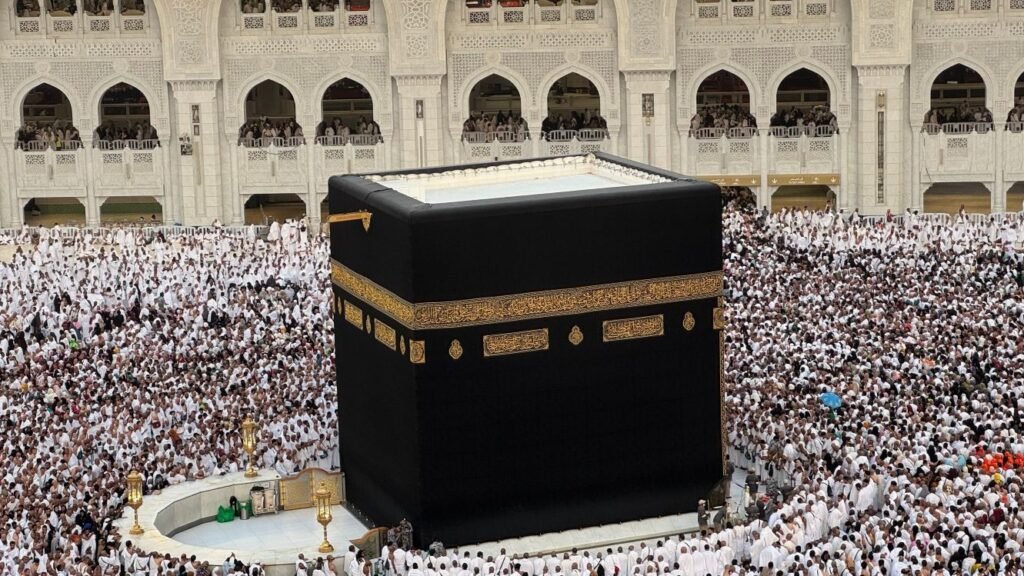
Hajj is the annual pilgrimage to Makkah, performed during the Islamic month of Dhul Hijjah. It commemorates the trials of Prophet Ibrahim (AS), his wife Hajar, and their son Ismail (AS).
Every able-bodied Muslim who can afford the journey is required to perform it at least once in their lifetime. This obligation is rooted directly in the Quran, where Allah states that Hajj is a duty owed to Him by those who can find a way there.
Why Hajj is important in Islam comes down to one core idea: it is the only pillar that combines physical worship, financial sacrifice, and spiritual surrender in a single act.
Why Is Hajj Considered the Fifth Pillar of Islam?
Hajj as the fifth pillar of Islam completes the framework that holds Islamic practice together, alongside the declaration of faith, prayer, fasting, and charity.
Each pillar addresses a different part of a believer’s life:
- Shahada anchors belief
- Salah structures daily worship
- Zakat purifies wealth
- Sawm builds self-discipline
- Hajj unites all of these into one physical and spiritual journey
Because it requires health, money, and time, Hajj is only mandatory once a person meets specific conditions. This makes it the pillar most tied to personal capability rather than daily routine.
What Makes the Importance of Performing Hajj So Significant?
The importance of performing Hajj lies in what it does internally, not just externally. Pilgrims describe it as a reset button for the soul.
Here’s what performing Hajj actually accomplishes for a believer:
- It wipes away past sins when performed sincerely and correctly
- It builds humility, since everyone wears the same simple white cloth
- It strengthens patience through long hours of walking, waiting, and enduring heat
- It reinforces unity, as millions of strangers pray shoulder to shoulder
- It deepens gratitude for health, wealth, and the ability to travel freely
Prophet Muhammad (PBUH) said that a person who performs Hajj without any obscene speech or wrongdoing returns as pure as the day their mother gave birth to them. That single narration explains why so many Muslims describe Hajj as life-changing rather than just another act of worship.
How Does Hajj Strengthen Global Muslim Unity?
Hajj brings together people from more than 180 countries, speaking different languages and following different cultural customs. Yet they all perform the same rituals, in the same sequence, at the same location.
This shared experience removes the usual markers of class, nationality, and wealth, showing the true importance of performing Hajj as an equalizer among believers. A business owner and a laborer stand in the same ihram, facing the same direction, saying the same words.
That leveling effect is intentional. It teaches pilgrims that before Allah, righteousness matters more than status, and this lesson often stays with people long after they return home.
When Is Hajj Performed and Who Must Attend?
Hajj takes place once a year, during the first ten to thirteen days of Dhul Hijjah, the twelfth month of the Islamic lunar calendar. Because the Islamic calendar is lunar, the Gregorian dates shift by about ten days each year.
Hajj becomes obligatory on a Muslim who meets these conditions:
- They are physically and mentally capable of the journey
- They have enough financial means to cover travel, accommodation, and family expenses back home
- The travel route is reasonably safe
- For women, a mahram (eligible male companion) accompanies them, according to most scholarly opinions
If any of these conditions are not met, Hajj is not obligatory, though it remains highly recommended when circumstances allow.
Which Rituals Define the Hajj Journey?
Understanding the core rituals helps explain why the importance of Hajj pilgrimage runs so deep. Each step carries symbolic weight tied back to the story of Ibrahim (AS) and his family.
The main rites include:
- Ihram: entering a sacred state of purity and intention
- Tawaf: circling the Kaaba seven times
- Sa’i: walking between the hills of Safa and Marwah, retracing Hajar’s search for water
- Standing at Arafat: the spiritual peak of Hajj, where pilgrims seek forgiveness
- Stoning the Jamarat: symbolically rejecting temptation and evil
- Sacrifice (Qurbani): commemorating Ibrahim’s willingness to sacrifice for Allah
- Tawaf al Wida: the farewell circling before leaving Makkah
Missing certain rites without a valid reason can affect the validity of Hajj, which is why proper guidance before departure matters so much.
What Are the Spiritual and Social Benefits of Hajj?
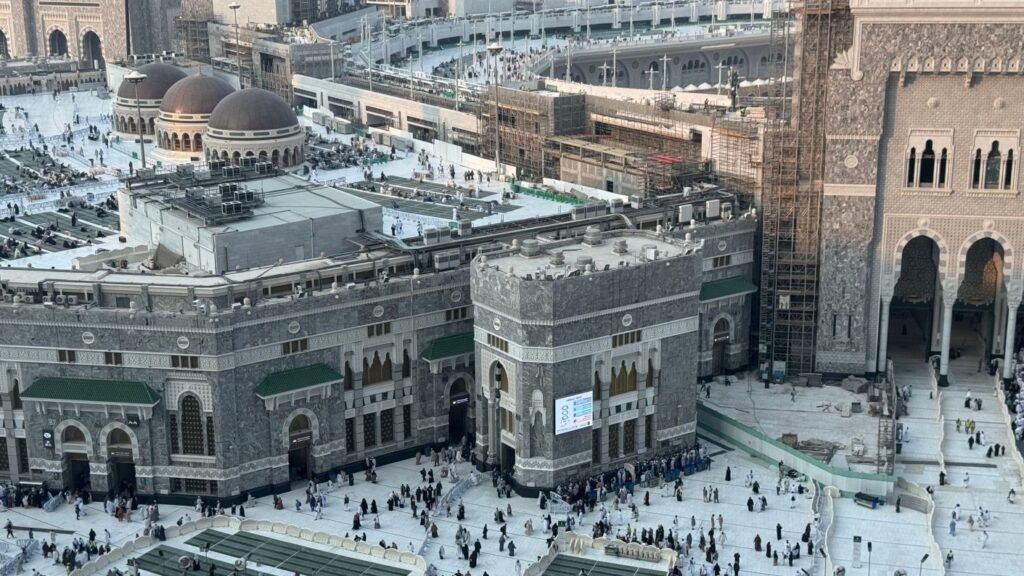
Beyond the religious obligation, Hajj delivers benefits that touch nearly every part of a believer’s life.
Spiritually, it renews sincerity and refocuses priorities away from material concerns. Many pilgrims return with a noticeably calmer, more disciplined approach to daily worship.
Socially, it builds a sense of global brotherhood that transcends borders. Pilgrims often form lasting friendships with people they met only during those few days in Makkah, proof that shared faith can bridge almost any cultural gap.
How Should First-Time Pilgrims Prepare for Hajj?
Good preparation makes the difference between a smooth spiritual journey and an exhausting logistical struggle. First-time pilgrims should prepare on three fronts.
Physical preparation matters because Hajj involves extended walking in heat, often for several hours at a stretch. Building stamina months in advance helps avoid unnecessary strain.
Financial preparation means saving enough not only for the trip itself but also for dependents left behind, since Islamic guidance discourages leaving family in hardship.
Spiritual preparation involves learning the rituals in advance, understanding their meaning, and approaching the journey with sincere intention rather than treating it as routine travel.
This is exactly where a knowledgeable travel partner becomes valuable, since proper guidance reduces confusion once pilgrims arrive in Saudi Arabia.
Why Choose Aaila Hajj for Your Pilgrimage Journey?
Performing Hajj is a once-in-a-lifetime commitment for most Muslims, and the right support system shapes how smoothly that journey unfolds. Aaila Hajj is a Pakistan-based Hajj and Umrah travel partner that has spent over two decades helping pilgrims navigate every step of their journey.
Pilgrims traveling with Aaila Hajj benefit from thoughtful arrangements designed around comfort, safety, and peace of mind:
- Elegant five-star hotels chosen for their nearness to the holy sites
- Three full buffet meals served daily, plus refreshments available all day long
- Air tickets arranged for comfortable, well-organized flights
- Modern, comfortable transportation provided for the entire duration of the trip
- Three nights’ stay in luxury hotels in Madina
- Intercity travel handled through luxury buses
- VIP support paired with 24/7 medical assistance
- Dedicated female staff available to assist female pilgrims
- Complete guidance and support at every stage of Hajj or Umrah
What sets a good travel partner apart is attention to detail long before departure and steady support once pilgrims are on the ground. Aaila Hajj focuses on both, so pilgrims can concentrate on worship instead of worrying about logistics.
If you’re planning your Hajj or Umrah journey, reach out to Aaila Hajj to discuss packages suited to your family’s needs and budget.
Conclusion
Understanding the Importance of Hajj in Islam helps explain why millions of Muslims save for years and travel thousands of miles to complete this journey. It’s a pillar built on sacrifice, humility, and a direct connection to the earliest stories of monotheism in Islamic tradition.
Recognizing why Hajj is important in Islam also puts the practical side of the journey into perspective, from choosing the right time to travel to selecting a dependable travel partner who understands the rituals and the region. Preparation, sincerity, and guidance together turn Hajj from a logistical undertaking into a genuinely transformative experience.
Whether you’re preparing for your first pilgrimage or helping a family member get ready, approaching Hajj with the right knowledge makes the entire journey more meaningful.
FAQ’s
What is the main purpose of Hajj in Islam?
The main purpose of Hajj is to fulfill a religious obligation owed to Allah while renewing faith, seeking forgiveness, and commemorating the trials of Prophet Ibrahim (AS) and his family.
Is Hajj mandatory for every Muslim?
Hajj is mandatory only for Muslims who are physically able, financially capable, and can travel safely. It becomes an obligation once in a lifetime for those who meet these conditions.
How many days does Hajj take to complete?
Hajj typically spans five to six days, performed between the 8th and 13th of Dhul Hijjah, though many pilgrims extend their trip to include Umrah and additional worship time.
What is the difference between Hajj and Umrah?
Hajj is obligatory, performed during specific dates in Dhul Hijjah, and includes rituals like standing at Arafat. Umrah is voluntary, can be performed any time of year, and involves fewer rites.
Can women perform Hajj without a mahram?
Most scholars require women to travel with a mahram or a trusted group of women, though rulings vary slightly across schools of thought. It’s best to consult a knowledgeable scholar for specific guidance.


