

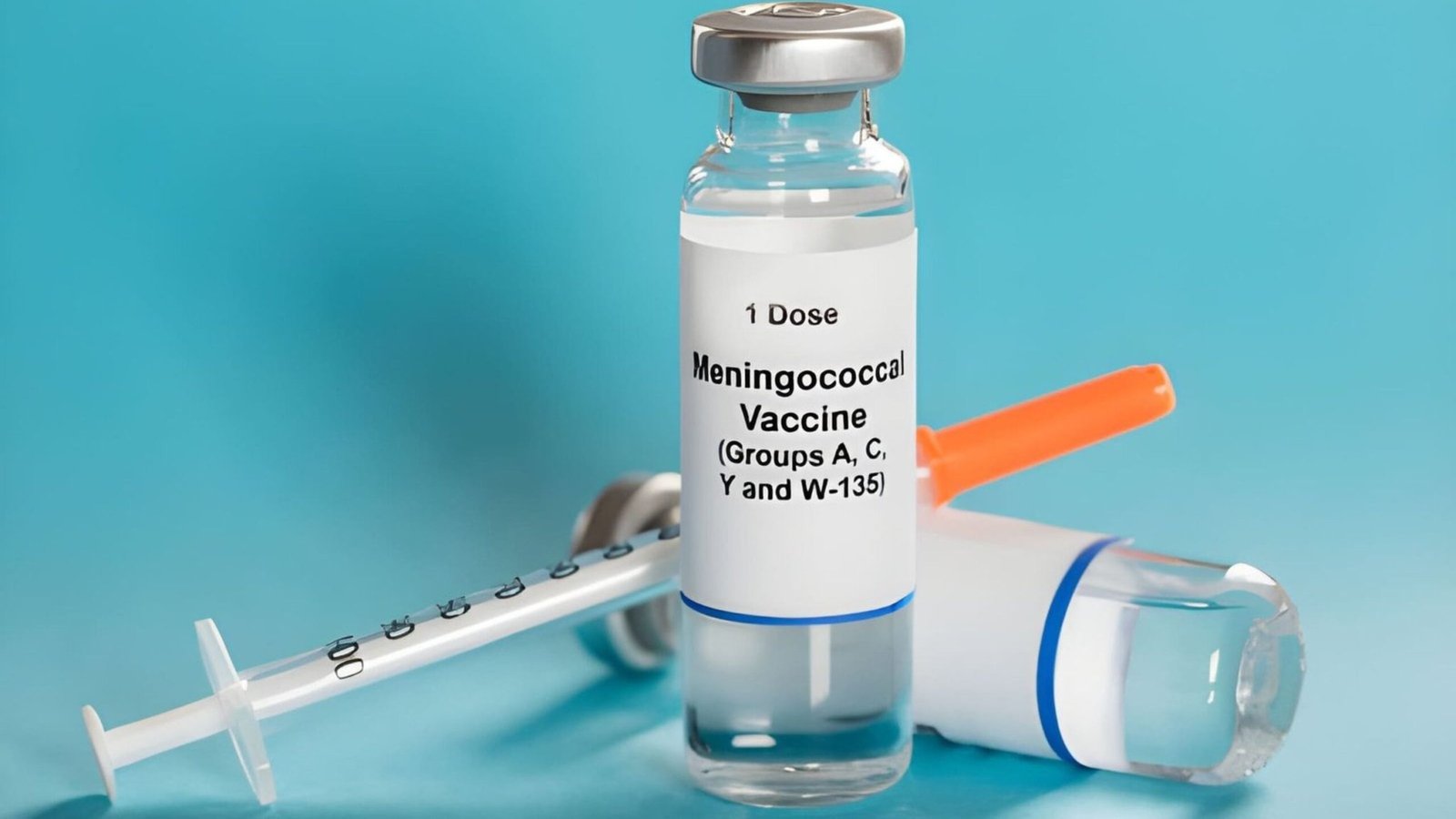
 Hajj
HajjEvery pilgrim preparing for the journey to Makkah asks the same question sooner or later: what does Saudi Arabia actually require for health clearance? Understanding Hajj Health Requirements 2027 early gives you enough time to complete vaccinations, gather documentation, and address any medical conditions before departure.
The Saudi Ministry of Health (MOH) updates its Hajj health circular every year, but the framework has stayed consistent for several seasons. This guide outlines what’s expected based on the most recent MOH guidance, so you can prepare with confidence while keeping an eye on official confirmations as Hajj 1448 AH approaches, expected around mid-May 2027.
What Are the Hajj Health Requirements 2027?
Hajj health requirements 2027 refer to the medical fitness standards, vaccination rules, and screening procedures that Saudi authorities apply to every pilgrim entering the Kingdom for Hajj. These requirements exist for one practical reason: Hajj brings together roughly two million people from more than 180 countries into a small geographic space over just a few days.
That density creates real public health risk. Respiratory infections, meningitis, and heat-related illness spread faster in crowded settings than almost anywhere else. The MOH guidelines are built to reduce that risk before pilgrims ever board a flight.
Based on the pattern followed in 2025 and 2026, the 2027 guidelines will likely include:
- A mandatory meningitis vaccination certificate for all pilgrims aged one year and above
- A medical fitness certificate confirming pilgrims are free from disqualifying conditions
- Age and health screening for elderly or chronically ill applicants
- Heat illness prevention advice given Hajj 2027’s expected mid-May timing
- Strict enforcement at entry points, with non-compliant travelers denied entry
Saudi Arabia typically finalizes its Hajj health circular a few months before the season, so pilgrims should confirm final details on the official Nusuk platform closer to travel dates.
Which Vaccines Are Required for Hajj 2027?
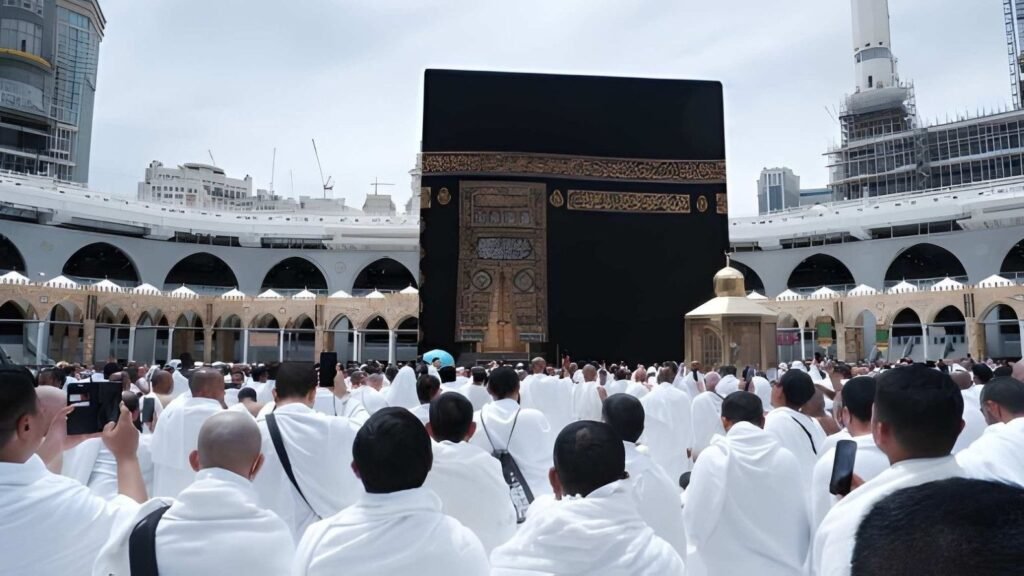
The required vaccines for Hajj have centered on one non-negotiable vaccine for the past several seasons, with a few others required depending on a pilgrim’s country of origin.
Meningococcal Meningitis (ACWY) is the vaccine every pilgrim must have, regardless of nationality. It must be:
- Pilgrims are required to receive the dose no less than 10 days before landing in Saudi Arabia.
- Valid for up to 5 years if it’s the conjugate vaccine, or up to 3 years for the polysaccharide version
- Documented on an official, verifiable vaccination certificate
Without this certificate, a Hajj visa will not be issued. No exceptions are made at the border.
Beyond meningitis, other vaccines apply based on where you’re traveling from:
- Polio (OPV or IPV): Required for pilgrims arriving from countries where polio transmission is still reported, usually within 12 months of travel
- Yellow Fever: Required for travelers arriving from yellow fever endemic regions, for anyone above nine months of age
- COVID-19: Full vaccination with a Saudi-approved vaccine has been required in recent seasons and is likely to continue into 2027
- Seasonal Influenza: Strongly recommended, particularly for older pilgrims and those with chronic conditions
Hepatitis A and B are not mandatory but are commonly recommended by travel clinics given the close contact and shared facilities involved in Hajj.
How Do You Prepare for Hajj Health Guidelines 2027?
Getting ahead of the Hajj health guidelines 2027 isn’t complicated, but it does require planning. Vaccination timing rules mean you can’t simply get a shot the week before your flight.
Here’s a practical preparation sequence:
- Book a travel health consultation 2 to 3 months before departure. Some vaccines need time to reach full effectiveness, and multi-dose vaccines require spacing between injections.
- Get your ACWY meningitis vaccine at least 10 days before travel, and keep the certificate with your passport, not in checked luggage.
- Request a medical fitness certificate from a licensed physician confirming you’re cleared for the physical demands of Hajj.
- Bring a full list of your current medications, including generic names, since brand names vary between countries.
- Pack a basic travel health kit with rehydration salts, sun protection, any prescribed medication, and a copy of your medical history for chronic conditions.
Pilgrims traveling through a registered operator, such as Aaila Hajj, typically receive reminders and documentation checklists tied to these timelines, which removes a lot of the guesswork from vaccine scheduling.
What Health Precautions for Hajj Should Every Pilgrim Follow?
Health precautions for Hajj go beyond vaccination paperwork. The physical environment itself, extreme heat, dense crowds, and long walking distances poses risks that preparation alone can manage well.
During Hajj 2027, expected to fall in mid-May, temperatures in Makkah and the holy sites can climb into the high 30s or low 40s Celsius. Heat exhaustion and heatstroke are among the most common medical emergencies during the pilgrimage season.
Follow these precautions to reduce risk:
- Maintain a steady intake of water throughout the day rather than waiting for thirst to strike.
- Use an umbrella or shade cover during Tawaf and outdoor rituals in peak sun hours
- Wear breathable, light colored clothing appropriate for Ihram
- Avoid unnecessary exertion during the hottest part of the day, typically between noon and 3 pm
- Wash hands frequently and use hand sanitizer in crowded areas like Mina and Muzdalifah
- Wear a mask in dense crowds if you have any respiratory sensitivity
- Monitor blood sugar and blood pressure regularly if you manage a chronic condition
Pilgrims with diabetes, heart disease, or respiratory conditions should carry a doctor’s letter explaining their condition and current treatment plan, written in English or Arabic if possible.
Who Needs Extra Medical Screening Before Hajj?
Not every pilgrim faces the same level of risk, and Saudi health authorities pay particular attention to specific groups during pre-travel screening.
Elderly pilgrims, especially those over 65, are advised to get a full medical checkup before booking travel. Age alone doesn’t disqualify anyone from Hajj, but underlying conditions common in older age groups, such as reduced mobility or cardiovascular issues, need to be documented and managed proactively.
Pregnant pilgrims should consult an obstetrician well before travel, since the MOH has previously restricted participation during certain stages of pregnancy due to the physical strain involved.
People with the following conditions typically require a specialist’s clearance letter:
- Major organ conditions (heart, lung, liver, or kidney)
- Neurological or psychiatric disorders affecting cognition
- Active infectious diseases with public health impact, including tuberculosis
- Any condition requiring regular dialysis or intensive ongoing treatment
If you fall into any of these categories, start the medical clearance process early. Some conditions may require additional documentation beyond a standard fitness certificate.
When Should You Start Your Hajj Medical Requirements Process?
Timing matters more than most pilgrims expect when it comes to Hajj medical requirements. Waiting until the final weeks before travel is the most common mistake first-time pilgrims make.
A realistic preparation timeline looks like this:
- 6 months before travel: Schedule a general health checkup and discuss Hajj-specific risks with your doctor
- 3 months before travel: Book your meningitis ACWY vaccine and any other required immunizations
- 1 month before travel: Confirm all vaccination certificates are complete and correctly documented
- 10 days before travel: Final deadline for meningitis vaccination if you haven’t already received it
- 1 week before travel: Pack medical documents, prescriptions, and a basic first aid kit
Building this timeline into your overall Hajj planning, alongside visa processing and accommodation booking, prevents last-minute stress that can affect both your health and your peace of mind.
Why Choose Aaila Hajj for a Safe and Guided Pilgrimage?
Meeting Saudi health requirements is only one part of a well-prepared Hajj journey. The other part is having a travel partner who understands the practical realities pilgrims face once they land in the Kingdom, from managing extreme heat to navigating crowded rituals safely.
Aaila Hajj is an independent Hajj and Umrah travel partner based in Pakistan, with more than 20 years of experience organizing pilgrimages for families, first-time travelers, and senior pilgrims. That experience shapes how the entire journey is structured, not just the paperwork.
Pilgrims traveling with Aaila Hajj benefit from:
- Luxury five-star accommodation throughout the journey
- Three buffet meals daily, along with refreshments
- Air tickets and comfortable, well-organized flights
- Modern luxury transportation for every leg of the trip
- Three nights’ stay in luxury hotels in Madina
- Intercity travel in luxury buses designed for long distances
- VIP support and 24/7 medical assistance on the ground
- Dedicated female staff available for female pilgrims
- Complete guidance and support from departure to return
For pilgrims managing chronic conditions or traveling with elderly family members, having 24/7 medical assistance nearby matters far more than it seems in the planning stage. It means help is available immediately if heat exhaustion, medication issues, or any health concern arises mid-journey.
If you’re planning Hajj or Umrah and want a team that handles both the spiritual and practical sides of the trip, reach out to Aaila Hajj to discuss your options and start preparing early.
Conclusion
Preparing for Hajj health requirements 2027 starts long before you book a flight. Vaccination timelines, medical fitness certificates, and heat safety planning all require lead time, and pilgrims who start early avoid the stress that comes with last-minute compliance issues.
Whether you’re managing a chronic condition or simply want to stay informed, following the right health precautions for Hajj ensures you’re prepared for the heat and crowds. Treat your health preparation with the same seriousness as your visa and travel arrangements; a safe, well-prepared pilgrim is far better positioned to focus on the spiritual purpose of the journey itself.
FAQ’s
Is the meningitis vaccine mandatory for Hajj 2027?
Yes. The ACWY vaccine is mandatory for all pilgrims aged 1 year and above and is to be administered at least 10 days before arrival. Without a valid certificate, your Hajj visa won’t be approved.
Are Hajj 2027 health guidelines officially confirmed yet?
Not yet. Saudi Arabia usually releases the final circular a few months before the season, so this guide follows the pattern of recent years and should be reconfirmed closer to travel.
Can pilgrims with chronic illnesses perform Hajj?
Yes, if the condition is stable and documented. Get a specialist’s clearance letter and carry your current treatment plan and medication list at all times.
What happens if a pilgrim doesn’t have the required vaccination certificate?
Entry can be denied at the border. No Hajj visa is issued without a valid meningitis vaccination certificate, along with any other required vaccines for your country.
How early should vaccinations be scheduled before Hajj 2027?
Two to three months before travel is ideal. This gives multi-dose vaccines time to work and leaves a comfortable buffer before the 10-day minimum deadline.


