

 Umrah
UmrahThe benefits of Umrah in Islam go far beyond a single trip to Makkah. For millions of Muslims, it is a spiritual reset, a chance to seek forgiveness, and a way to reconnect with Allah outside the fixed days of Hajj. Understanding these benefits helps pilgrims prepare mentally, emotionally, and spiritually before they even book their tickets.
Every year, millions of Muslims travel to Makkah with the same intention: drawing closer to Allah and starting fresh. Yet many pilgrims arrive without fully understanding what this journey actually offers them spiritually, emotionally, and practically. Knowing these deeper rewards changes how a person experiences the trip, turning it from a routine visit into a deeply intentional act of worship. It also helps pilgrims set realistic expectations and make the most of every ritual, from Ihram to Tawaf.
This guide breaks down what pilgrims actually gain from this journey, explains the rewards of Umrah in Islam, and shows why so many Muslims choose to perform it more than once in their lifetime. Whether you are planning your first trip or your fifth, knowing what to expect makes the experience far more meaningful.
What Is Umrah and Why Does It Matter in Islam?
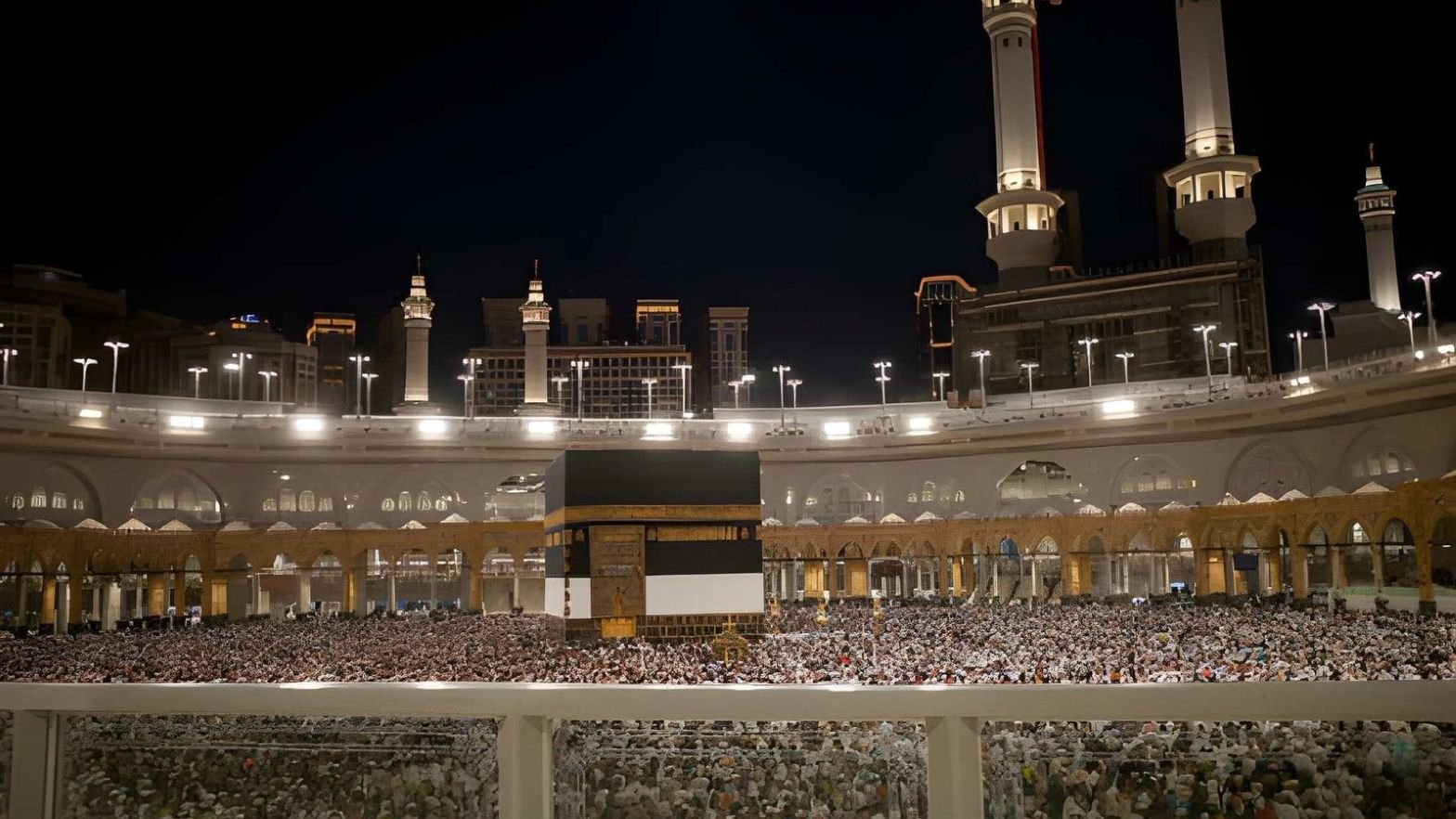
Umrah is a voluntary pilgrimage to the Kaaba in Makkah that can be performed at any time of the year, unlike Hajj, which has fixed dates on the Islamic calendar. It involves entering the state of Ihram, performing Tawaf around the Kaaba, walking between Safa and Marwah, and trimming or shaving the hair at the end of the rituals.
While Umrah is not obligatory the way Hajj is, the Prophet Muhammad (peace be upon him) strongly encouraged Muslims to perform it whenever they were able. The importance of Umrah in Islam lies in its accessibility. It allows believers to purify their intentions and renew their faith without waiting for a specific season or meeting the stricter conditions attached to Hajj.
Because of this flexibility, Umrah has become a regular practice for many families, especially those who want to instill a love for the Haramain in their children from an early age.
What Are the Spiritual Benefits of Umrah?
The spiritual benefits of Umrah touch almost every part of a believer’s inner life. Pilgrims often describe a sense of clarity and peace that stays with them long after they return home, sometimes for months.
Some of the most commonly reported spiritual effects include:
- A deep sense of humility after standing before the Kaaba
- Renewed motivation to pray on time and read the Quran regularly
- Relief from stress, anxiety, and emotional burdens carried for years
- Stronger awareness of personal accountability before Allah
- A genuine reset in daily habits, speech, and personal discipline
These changes are not simply anecdotal. Many scholars point to the physical acts of Umrah, the walking, the remembrance, and the constant supplication, as tools that naturally realign a person’s focus toward worship rather than worldly distraction.
What Are the 10 Life-Changing Rewards of Umrah in Islam?
The rewards of Umrah in Islam are described in detail across authentic Hadith literature. Below are ten of the most significant ones every pilgrim should understand before traveling.
1. Umrah Erases Sins Between Two Pilgrimages
The Prophet Muhammad (peace be upon him) said that performing one Umrah after another is an expiation for the sins committed between them. This makes Umrah one of the simplest and most repeatable ways to seek continuous forgiveness throughout a lifetime.
2. Umrah Removes Poverty and Sin
According to a well-known Hadith, Hajj and Umrah remove poverty and sins just as a furnace removes impurities from iron. This reward encourages Muslims to view Umrah as both a spiritual purification and a source of barakah in daily provision.
3. Umrah During Ramadan Carries the Reward of Hajj
Performing Umrah in the month of Ramadan is equal in reward to performing Hajj, according to authentic Hadith attributed to the Prophet Muhammad (peace be upon him). This is one reason Ramadan Umrah packages remain in such high demand every single year.
4. Umrah Strengthens Personal Connection With Allah
Standing in front of the Kaaba, performing Tawaf, and praying inside the Haram creates an emotional and spiritual closeness that is difficult to replicate anywhere else. Many pilgrims describe this moment as the true turning point in their faith journey.
5. Umrah Teaches Patience and Discipline
The physical demands of Umrah, walking long distances, waiting in crowds, and following a structured set of rituals, build patience over just a few days. This discipline often carries over into daily life long after the journey has ended.
6. Umrah Encourages Sincere Repentance
The pilgrimage creates a natural environment for reflection, far from the noise of everyday routine. Being away from daily distractions gives pilgrims the mental space to genuinely repent and set new intentions for the future.
7. Umrah Builds a Sense of Global Muslim Unity
Performing Tawaf alongside Muslims from dozens of different countries is a powerful reminder of the size and diversity of the Ummah. This experience often reshapes how pilgrims view their place within the wider Muslim community once they return home.
8. Umrah Improves Mental and Emotional Wellbeing
Many pilgrims report reduced anxiety and a clearer sense of purpose after Umrah. The combination of worship, community, and physical distance from daily stressors contributes to genuine and lasting emotional relief.
9. Umrah Is a Means of Dua Acceptance
The Haram is considered one of the most blessed places on earth for supplication. Pilgrims often use this rare opportunity to pray for family, health, guidance, and forgiveness in a setting where they feel especially close to Allah.
10. Umrah Sets the Foundation for Hajj
For many Muslims, Umrah serves as preparation, both spiritually and logistically, for performing Hajj later in life. It familiarizes pilgrims with the rituals, the environment, and the discipline required for the larger, more demanding pilgrimage.
How Does Umrah Strengthen Faith and Character?
Umrah does not end the moment a pilgrim leaves Makkah. The habits built during the trip, punctuality in prayer, patience under pressure, and daily gratitude often continue for months or even years afterward.
Pilgrims frequently report the following changes once they return home:
- Improved consistency in performing the five daily prayers
- Greater patience when facing difficult or stressful situations
- A stronger habit of regular Quran recitation
- More gratitude for everyday blessings that were once overlooked
This is why many scholars describe Umrah as a form of spiritual training rather than a one time event to check off a list.
Why Is Umrah Important in Islam Compared to Hajj?
Hajj is obligatory once in a lifetime for those who are financially and physically able, while Umrah remains voluntary and can be repeated as often as circumstances allow. This flexibility is exactly why the importance of Umrah in Islam continues to grow among Muslims who want frequent opportunities for spiritual renewal.
Umrah also requires fewer rituals and less time, usually just a few days compared to the extended schedule of Hajj. This makes it far more accessible for families, working professionals, and first-time pilgrims who want to experience Makkah and Madina before committing to the larger journey of Hajj.
Why Choose Aaila Hajj for Your Umrah Journey?
Choosing the right travel partner makes a real difference in how smoothly a pilgrim experiences these Umrah benefits and rewards. Aaila Hajj is an independent Hajj and Umrah travel company based in Pakistan with more than 20 years of experience guiding pilgrims through every stage of their journey, from paperwork to the final ritual.
Pilgrims traveling with Aaila Hajj typically benefit from:
- Luxury five-star accommodation located close to the Haram
- Three buffet meals daily along with refreshments throughout the trip
- Air tickets and comfortable, well-organized flights
- Modern luxury transportation throughout the entire journey
- Three nights stay in luxury hotels in Madina
- Intercity travel in luxury buses between the holy cities
- VIP support and round-the-clock medical assistance
- Dedicated female staff to support and assist female pilgrims
- Complete guidance and support from planning through to the final day
For first-time pilgrims especially, having an experienced team close by removes much of the logistical stress that can otherwise overshadow the spiritual experience. If you are planning your next trip, reach out to Aaila Hajj to discuss a package that fits your family’s needs, budget, and schedule.
Conclusion
The benefits of Umrah in Islam extend from the forgiveness of sins to lasting changes in character, patience, and daily worship. Each of the ten rewards covered above shows why so many Muslims choose to repeat this journey whenever they are able, rather than treating it as a once-in-a-lifetime event.
Beyond individual worship, the spiritual benefits of Umrah ripple outward, shaping how pilgrims treat their families, communities, and daily responsibilities long after they return home. Preparing with the right knowledge and a reliable travel partner allows every pilgrim to focus on what matters most: their connection with Allah.
FAQ’s
What is the main benefit of performing Umrah?
The main benefit of Umrah is the forgiveness of sins committed between one Umrah and the next, along with a deep sense of spiritual renewal that stays with pilgrims well after their trip ends.
Is Umrah equal to Hajj in reward?
Umrah is not equal to Hajj in obligation, but performing Umrah during the month of Ramadan carries a reward equal to that of Hajj, according to an authentic Hadith.
How many times can a Muslim perform Umrah?
There is no fixed limit on how many times Umrah can be performed. Muslims can undertake it as many times as they are financially and physically able to.
What is the difference between Hajj and Umrah?
Hajj is obligatory once in a lifetime and follows fixed dates on the Islamic calendar, while Umrah is voluntary, shorter in duration, and can be performed at any time of the year.
Can Umrah be performed on behalf of a deceased relative?
Yes, Umrah can be performed on behalf of a deceased relative or someone who is physically unable to perform it themselves, according to the majority of scholarly opinion.


