

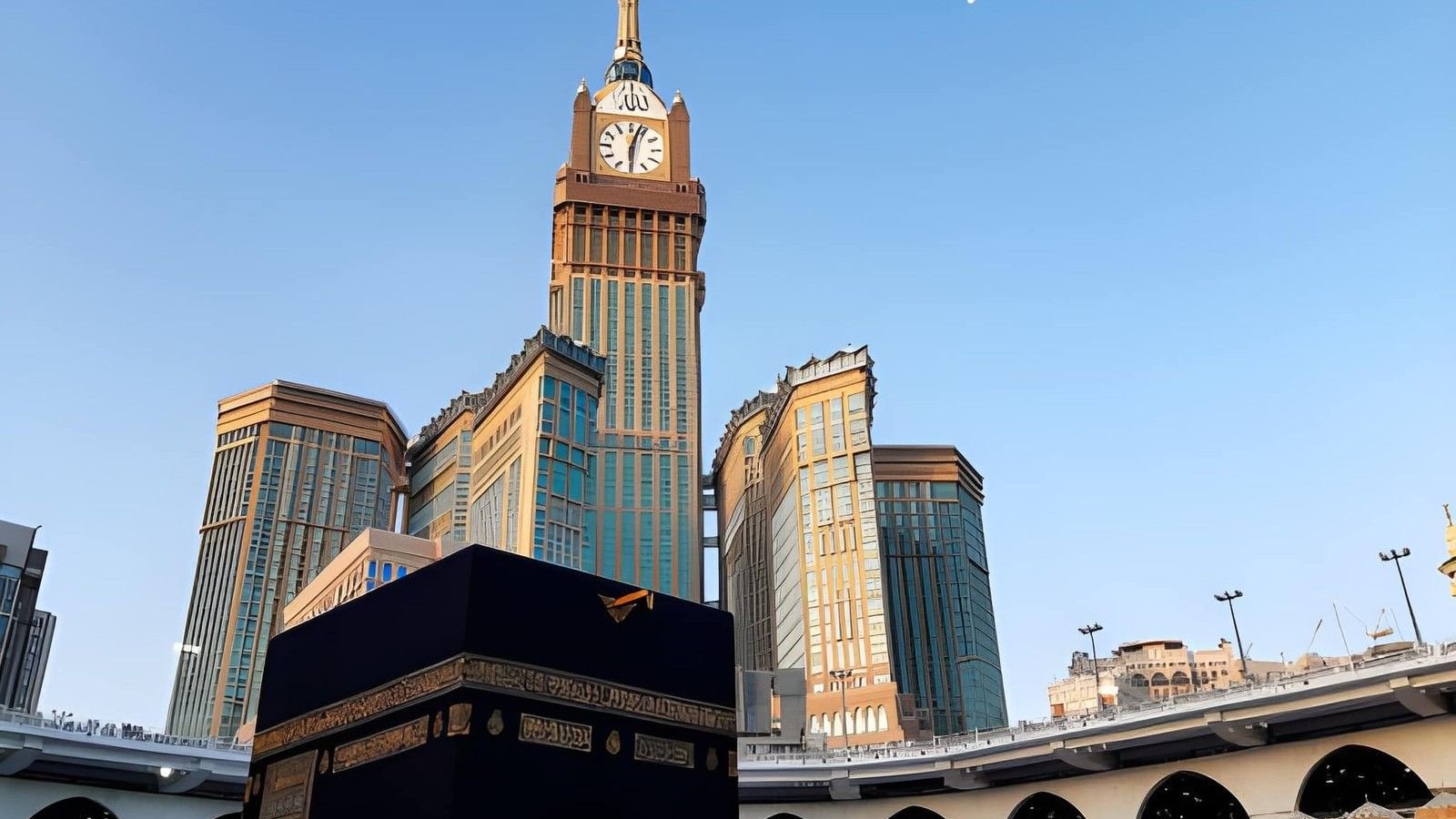
 Hajj
HajjEvery year, millions of Muslims travel to Makkah with one of two intentions: performing Hajj or performing Umrah. Both journeys centre on the Kaaba, both demand sincerity, and both carry deep spiritual weight. Yet the differences between Hajj and Umrah go far beyond timing alone.
Many pilgrims assume the two journeys are simply smaller and bigger versions of the same trip, but that assumption often leads to poor planning. The obligation, the rituals performed, the days spent in ihram, and even the visa process differ in ways that affect your budget and schedule. Knowing these distinctions in advance helps you set realistic expectations, choose the right package, and avoid confusion once you arrive in Saudi Arabia.
Understanding these differences matters before you book flights, choose a package, or pack your ihram. This guide breaks down the Hajj and Umrah differences in plain language, using the exact rituals, rulings, and practical details a first-time or returning pilgrim needs to plan with confidence.
Hajj and Umrah: What Sets Them Apart?
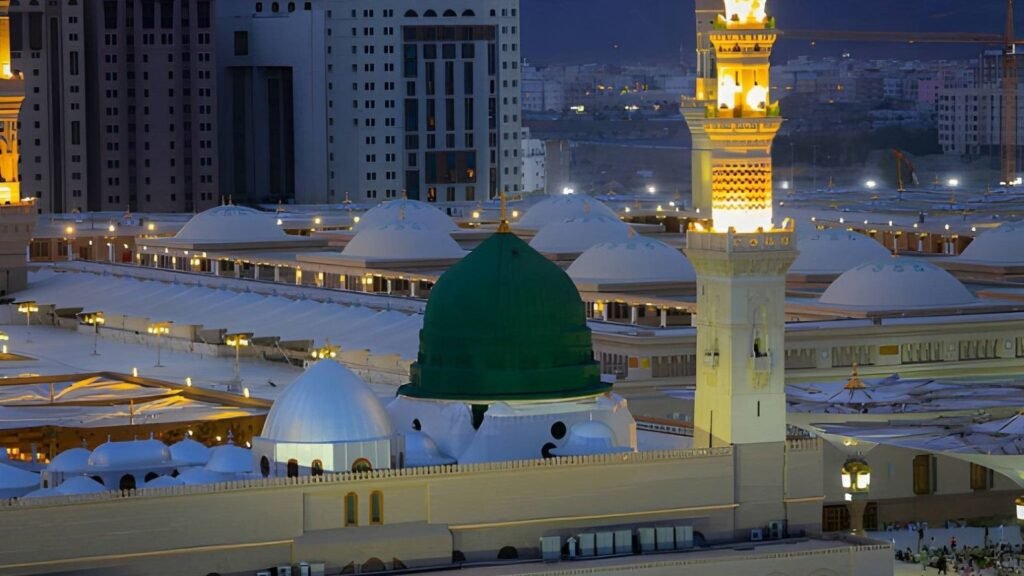
Hajj is an obligatory pilgrimage, one of the Five Pillars of Islam, required once in a lifetime from every physically and financially able Muslim. Umrah is a voluntary pilgrimage performed at almost any time of year, carrying no fixed obligation.
- Hajj is fard (compulsory) for those who meet the conditions of istita’ah (capability).
- Umrah is sunnah muakkadah, strongly recommended but not compulsory.
- Hajj fulfils a religious duty; Umrah is an act of extra devotion and spiritual renewal.
This is the foundation of every other distinction below, so it’s worth remembering as you read through the Hajj and Umrah comparison.
When Should Hajj and Umrah Be Performed?
Timing is one of the clearest Differences Between Hajj and Umrah, and it directly affects trip planning.
- Hajj can only be performed during specific Islamic dates: the 8th to 13th of Dhul Hijjah, the final month of the Islamic calendar.
- Umrah can be performed on any day of the year, except during the days pilgrims are actively engaged in Hajj rituals.
- Hajj dates shift each year on the Gregorian calendar because the Islamic calendar is lunar.
- Umrah is often performed during Ramadan, carrying a reward said to equal Hajj performed with the Prophet ﷺ, according to hadith scholars.
Because Hajj has a strict window, demand for flights, hotels, and visas spikes months in advance.
How Do the Rituals of Hajj and Umrah Differ?
The Hajj and Umrah rituals overlap in places but differ in scope and sequence.
Shared rituals:
- Entering ihram with clear intention (niyyah)
- Performing Tawaf, circling the Kaaba seven times
- Performing Sa’i, walking between Safa and Marwah seven times
- Cutting or shaving the hair to exit the sacred state
Rituals unique to Hajj:
- Standing at Arafat (Wuquf) on the 9th of Dhul Hijjah, the pillar without which Hajj is invalid
- Spending the night at Muzdalifah under the open sky
- Stoning the Jamarat at Mina over multiple days
- Sacrificing an animal (Qurbani) as part of the rites
- Staying in Mina for the Tashreeq days
Umrah has no equivalent to Arafat, Muzdalifah, or the stoning ritual, which is why it can be completed in hours rather than several days.
Why Does the Duration of Hajj and Umrah Differ So Much?
Hajj typically takes five to six days once the rituals begin, plus extra days many pilgrims spend in Makkah and Madina for worship and ziyarat. Umrah, by contrast, can often be completed in a single day, sometimes in just a few hours from ihram to completion.
- Hajj involves multiple locations: Makkah, Mina, Arafat, and Muzdalifah.
- Umrah involves only Makkah, primarily the Grand Mosque and its surroundings.
- Hajj requires travel between fixed sites on fixed dates, so pilgrims cannot rush the process.
This duration gap is one reason package pricing and itineraries differ so much.
Which Is Costlier: Hajj or Umrah?
Cost is a practical concern for most families, and it’s among the most searched Hajj and Umrah differences.
- Hajj is generally more expensive due to longer duration, mandatory transport between sacred sites, larger accommodation needs, and higher seasonal demand.
- Umrah costs less overall since the trip is shorter and needs fewer logistical arrangements.
- Hajj packages typically include Mina and Arafat tent accommodation, which Umrah packages never require.
- Government-regulated Hajj quotas can also push prices up due to limited seat availability each year.
Because of this gap, many first-time pilgrims perform Umrah first to prepare spiritually and financially for Hajj later on.
How Do Hajj and Umrah Differ in Religious Obligation?
This distinction shapes everything else about the two pilgrimages.
- Hajj is one of the Five Pillars of Islam and is obligatory at least once for every eligible Muslim.
- Leaving Hajj unperformed despite having the means is considered a serious matter in Islamic jurisprudence.
- Umrah is highly recommended, but skipping it carries no religious penalty.
- A Muslim can perform Umrah multiple times a year, while Hajj is generally performed once as an obligation.
Scholars across the major schools of thought agree on Hajj’s compulsory status, though minor differences exist on Umrah’s exact ruling.
What Is the Spiritual Significance of Hajj Compared to Umrah?
Both journeys hold profound Hajj and Umrah significance, but the depth and symbolism differ.
- Hajj commemorates the trials of Prophet Ibrahim (AS), his wife Hajar, and their son Ismail (AS), reenacting their acts of faith and sacrifice.
- The standing at Arafat is described in hadith as the day sins are forgiven most abundantly.
- Umrah is often called the “minor pilgrimage,” focused on purification, humility, and renewing one’s connection with Allah.
- Completing Hajj is linked to a complete spiritual reset, with the Prophet ﷺ stating an accepted Hajj returns a person free of sin, as a newborn.
Many pilgrims describe Umrah as a preparation of the heart, while Hajj is the fulfilment of a lifelong journey.
Do Hajj and Umrah Require Different Preparations?
Preparation requirements differ substantially, and this affects how far in advance you should plan.
- Hajj preparation includes securing a Hajj visa through approved quotas, physical fitness for prolonged walking, and packing for extended stays in tents at Mina and Arafat.
- Umrah preparation is comparatively simple, requiring an Umrah visa, standard travel documents, and no camping arrangements.
- Hajj pilgrims often need vaccinations specific to mass gatherings, since crowd density is significantly higher.
- Umrah can usually be booked with shorter notice, unlike Hajj, which often requires planning a year ahead.
This is where a reliable travel partner becomes valuable, since Hajj-season visa processing and accommodation booking involve far more moving parts.
How Do Crowd Size and Logistics Compare Between Hajj and Umrah?
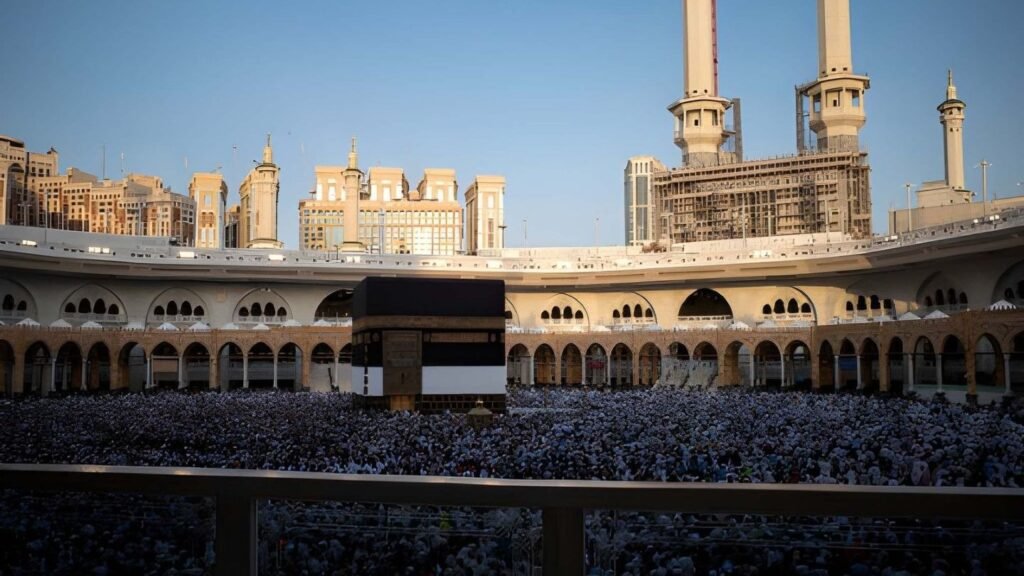
Crowd management is a defining practical difference in this Hajj and Umrah comparison.
- Hajj draws over two million pilgrims within a concentrated window of days, per figures regularly reported by Saudi authorities.
- Umrah crowds fluctuate year-round, peaking during Ramadan and school holidays, but nowhere near Hajj’s density.
- Hajj requires organised group movement between Mina, Arafat, and Muzdalifah through designated camps and schedules.
- Umrah allows more flexible, self-paced movement since pilgrims stay mainly in and around Makkah.
Hajj logistics demand experienced coordination, while Umrah offers pilgrims more independence.
What Happens If You Combine Hajj and Umrah?
Some pilgrims combine both journeys in a single trip, and Islamic jurisprudence recognises three distinct approaches.
- Tamattu: performing Umrah first, then Hajj later in the same season, with a break in between.
- Qiran: combining Hajj and Umrah intentions without a break, under a single ihram.
- Ifrad: performing Hajj alone, without combining it with Umrah in the same trip.
Each method carries different rulings on sacrifice (dam) and sequence, so consult a knowledgeable scholar or an experienced travel partner before deciding.
Why Choose Aaila Hajj for Your Hajj or Umrah Journey?
Understanding the Differences Between Hajj and Umrah is only the first step. Choosing the right travel partner is what determines how smoothly the journey unfolds.
Aaila Hajj is an independent Hajj and Umrah travel partner based in Pakistan, built on more than 20 years of experience arranging pilgrimages for families, first-time travellers, and senior pilgrims alike.
Here’s what pilgrims can expect when travelling with Aaila Hajj:
- Luxury five-star accommodation close to the sacred sites
- Three buffet meals daily with refreshments
- Air tickets and comfortable flights to minimise travel fatigue
- Modern luxury transportation throughout the journey
- Three nights’ stay in luxury hotels in Madina for ziyarat and reflection
- Intercity travel in luxury buses between Makkah and Madina
- VIP support and 24/7 medical assistance, especially for elderly pilgrims
- Dedicated female staff for female pilgrims
- Complete guidance and support at every stage, from documentation to the final rites
Families often worry about elderly parents managing long walks or crowded rituals, and this is where dedicated support makes a real difference. If you’re ready to move from research to planning, reach out to Aaila Hajj to discuss a package suited to your family.
Conclusion
The Differences Between Hajj and Umrah ultimately come down to obligation, timing, rituals, and scale, each one shaping how a pilgrim should prepare. Hajj remains a once-in-a-lifetime duty tied to fixed dates and elaborate rites, while Umrah offers a flexible, year-round path to spiritual renewal.
Whichever journey you’re planning, the Hajj and Umrah rituals deserve careful study beforehand, since informed pilgrims focus more on worship and less on logistics once they arrive. Take time early to understand which form suits your circumstances, especially if Hajj is on your horizon this year.
FAQ’s
Is Umrah compulsory like Hajj?
No. Umrah is sunnah muakkadah, a strongly recommended act, while Hajj is fard, an obligatory pillar of Islam required once from every eligible Muslim.
Can Umrah be performed during Hajj season?
Umrah cannot be performed while a pilgrim is actively engaged in Hajj rituals, but it can be performed before or after that period within the same trip.
How many days does Hajj take compared to Umrah?
Hajj generally takes five to six days of active rituals, while Umrah can often be completed within a few hours to one day.
Which is more expensive, Hajj or Umrah?
Hajj is typically more expensive due to its longer duration, mandatory travel between sacred sites, and higher seasonal demand.
Do I need a different visa for Hajj and Umrah?
Yes. Hajj requires a Hajj visa issued through approved government quotas, while Umrah requires a separate, simpler visa process.

