

 Hajj
HajjStanding before the Kaaba for the first time is a moment most Muslims spend a lifetime preparing for, yet very few pilgrims actually know what to expect once they land in Saudi Arabia. This first-time Hajj guide breaks down every stage of the journey, from documentation to the final farewell Tawaf, so nothing catches you off guard.
Whether you are researching on behalf of a parent, planning your own trip, or simply trying to understand the rituals before you commit, this First-Time Hajj Guide gives you a clear, practical roadmap. No vague spiritual advice, just the real steps, timing, and preparation details you need.
Most confusion during Hajj comes from timing, not faith. Pilgrims often know the prayers by heart but struggle with when to move, where to stand, or how long each stage actually takes. This guide addresses that gap directly, walking through the journey in the exact order you will experience it.
What Is Hajj and Why Does It Matter for Muslims?
Hajj is the yearly pilgrimage to Mecca that every Muslim who is physically and financially able must complete at least once in their life. It is the fifth pillar of Islam, performed during the Islamic month of Dhul Hijjah.
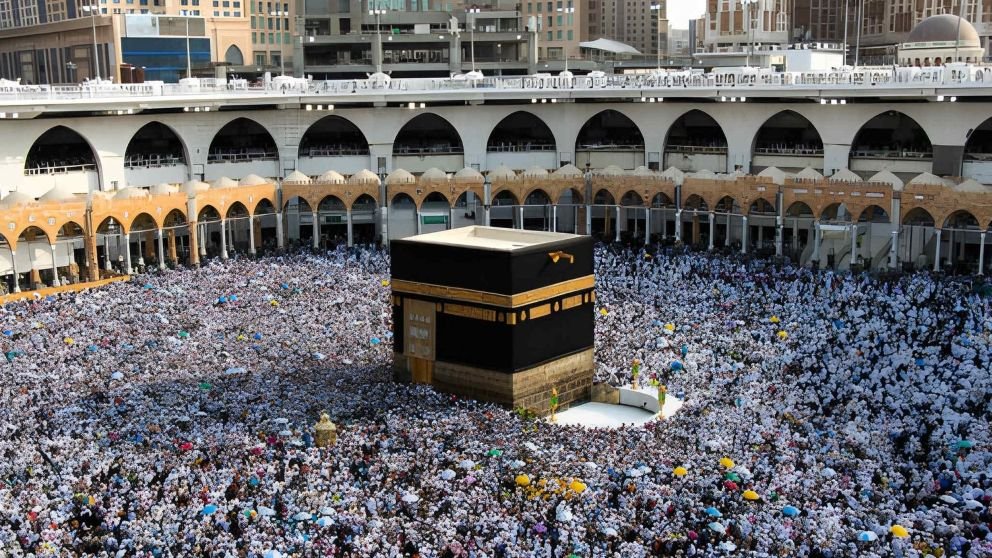
Roughly 1.8 million pilgrims performed Hajj in 2024 according to Saudi authorities, making it one of the largest annual religious gatherings in the world. For a first-time pilgrim, understanding the scale and structure of this event matters as much as understanding the rituals themselves.
Who Is Required to Perform Hajj?
Hajj becomes obligatory (fard) once three conditions are met.
- The person is a Muslim who has reached puberty and is of sound mind.
- The person is physically capable of enduring the journey and rituals.
- The person has enough financial means to cover travel, accommodation, and family expenses back home without falling into debt.
If any of these conditions are not met, Hajj is not obligatory that year, though many still choose to perform Umrah instead as a smaller, non-mandatory pilgrimage.
It is worth noting that financial capability does not simply mean owning enough money for a ticket. Scholars generally agree that a person should also be free of significant debt and able to leave their dependents financially secure while they are away. This distinction matters when families are deciding who in the household should go first.
What Are the Essential Documents for a First-Time Hajj Guide Checklist?
Paperwork is where most delays happen, especially for pilgrims traveling from Pakistan. Getting this right early saves weeks of stress later.
- Applicants must possess a valid passport with a remaining validity of at least six months from the date of travel.
- A confirmed Hajj visa, usually processed through an approved Hajj group operator.
- Proof of vaccination, including the mandatory meningitis vaccine.
- Return flight confirmation and hotel booking vouchers.
- Recent passport-sized photographs meeting Saudi visa specifications.
- A medical fitness certificate, particularly important for senior pilgrims.
Working with an experienced operator like Aaila Hajj simplifies this process significantly, since document verification and visa processing are handled on your behalf rather than left to guesswork.
What Are the Main Steps of Hajj for Beginners?
Understanding the sequence of rituals is the core of any Hajj guide for beginners. Each step follows a specific order, and missing one can affect the validity of your Hajj.
Entering Ihram at the Miqat
Ihram is both a physical state and a spiritual intention, and it marks the very first of the Hajj steps for beginners to understand closely. Pilgrims wear simple, seamless white garments (for men) and declare their intention to perform Hajj at designated boundary points called Miqat.
Once in Ihram, certain actions are prohibited, including cutting hair or nails, using perfume, and engaging in marital relations. This state of simplicity is meant to remove distinctions of class and wealth.
Performing Tawaf and Sa’i
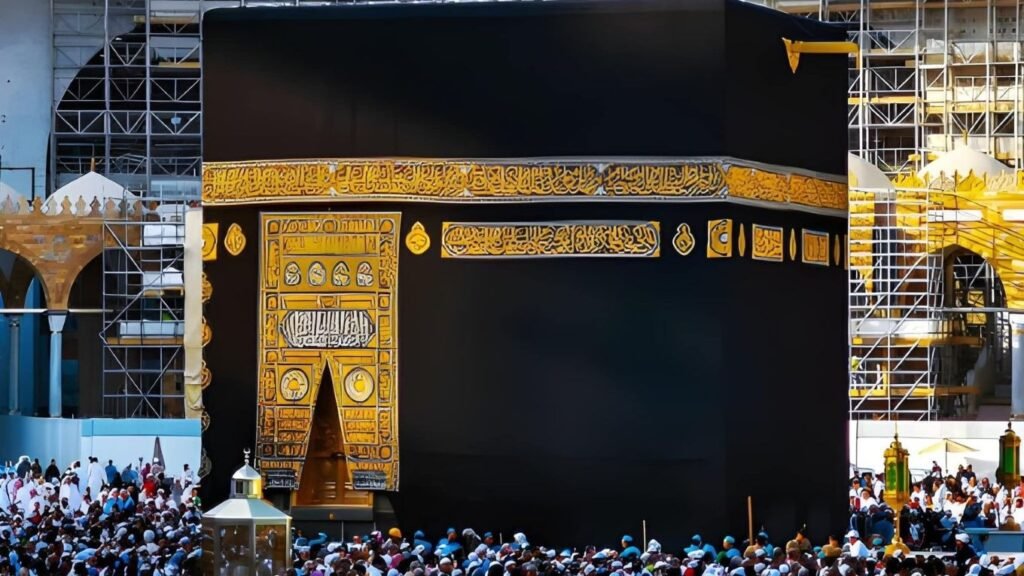
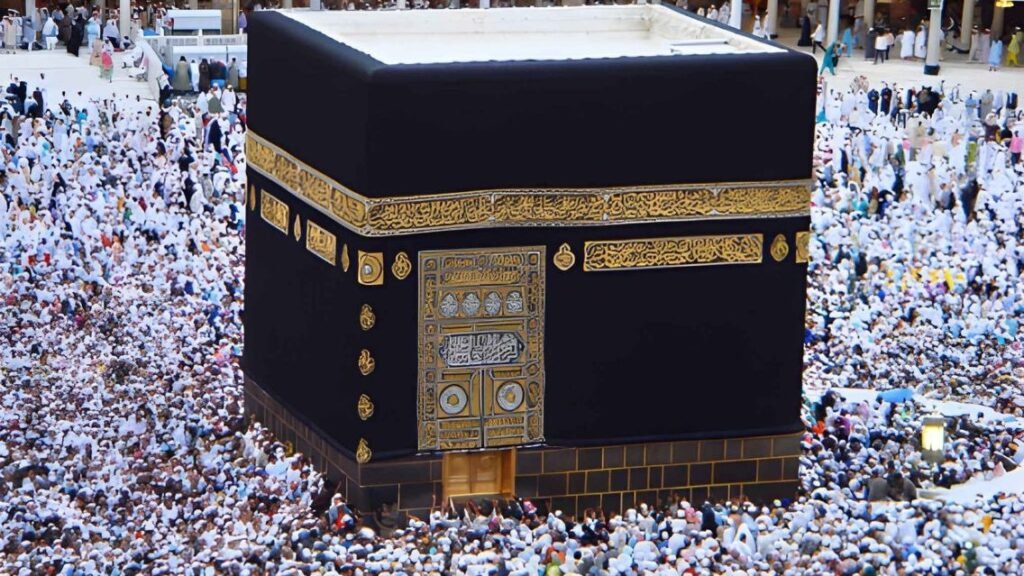
Tawaf is a ritual in which pilgrims circumambulate the Kaaba seven times in a counterclockwise direction, starting and ending at the Black Stone (Hajr-e-Aswad). Immediately after, pilgrims perform Sa’i, walking between the hills of Safa and Marwah seven times, commemorating Hajar’s search for water.
These two rituals are physically demanding, especially in crowded conditions, so pacing yourself matters more than rushing to finish quickly.
Standing at Arafat
The Day of Arafat, the 9th of Dhul Hijjah, is widely considered the most important day of Hajj. Pilgrims spend the afternoon in prayer and reflection on the plains of Arafat.
Missing this standing invalidates the Hajj entirely, which is why it is treated as the spiritual peak of the entire journey.
Muzdalifah and the Stoning of Jamarat
After sunset, pilgrims move to Muzdalifah to collect pebbles and spend the night under open skies. The following days involve stoning three pillars representing Satan, symbolizing the rejection of evil temptation.
Qurbani and Tawaf al-Ifadah
Pilgrims then perform an animal sacrifice (Qurbani), shave or trim their hair, and return to Mecca to perform Tawaf al-Ifadah, one of the essential pillars of Hajj.
What Hajj Tips for First Timers Should You Know Before Departure?
Practical preparation often gets overlooked in favor of ritual details. These Hajj tips for first timers address the everyday realities pilgrims actually face.
- Break in your Ihram sandals before travel to avoid blisters during long walking days.
- Carry a small pouch for identification and medication rather than a full bag during rituals.
- Stay hydrated constantly, especially during Tawaf and the stay in Mina.
- Learn a few essential Arabic phrases for navigation and communication.
- Keep printed and digital copies of every document in separate bags.
- Travel in a group whenever possible, particularly for elderly or first-time pilgrims.
Small preparations like these prevent the kind of exhaustion that overshadows the spiritual experience for many first-timers.
What Mistakes Do First-Time Pilgrims Commonly Make?
Even well-prepared pilgrims fall into a few predictable traps during their first Hajj. Recognizing these in advance is often more useful than any packing list.
- Overpacking, which becomes a burden during transfers between Mina, Arafat, and Muzdalifah where luggage space is limited.
- Underestimating walking distances, since some accommodation is several kilometers from the Haram during peak days.
- Ignoring heat exposure, leading to dehydration or heat exhaustion during long outdoor stays.
- Skipping practice runs of the rituals beforehand, which leaves pilgrims unsure of sequence once they are in the moment.
- Relying on unofficial or unregistered agents, which increases the risk of visa issues or last-minute cancellations.
Avoiding these mistakes usually comes down to preparation and choosing an operator who has managed the logistics before, rather than learning everything through trial and error on site.
How Should Senior or First-Time Pilgrims Prepare Physically?
Hajj involves extended walking, standing, and exposure to heat, often exceeding 40 degrees Celsius during summer months. These Hajj tips for first timers on physical readiness matter just as much as ritual knowledge. A basic fitness routine in the two to three months before departure, focused on walking endurance, makes a measurable difference.
Senior pilgrims should consult a physician beforehand, particularly regarding chronic conditions like diabetes or hypertension. Many reputable operators, including Aaila Hajj, provide medical assistance and wheelchair support specifically for elderly travelers who need extra care during the physically intense stages of the journey.
When Should You Book Your Hajj Package?
Hajj packages should ideally be booked six to eight months in advance. Early booking secures better hotel proximity to the Haram, more flexible package options, and avoids last-minute price increases that typically occur closer to the season. First-Time Hajj Guide
Pakistani pilgrims specifically should confirm their operator is registered with the Ministry of Religious Affairs, since unregistered agents are a common source of visa fraud each year.
Package prices also tend to rise as the Hajj season approaches, particularly for accommodation close to the Haram in Mecca. Booking early not only protects your budget but also gives you enough time to complete medical checkups, arrange leave from work, and prepare mentally for the journey ahead. First-Time Hajj Guide
Why Choose Aaila Hajj as Your Hajj and Umrah Travel Partner?
Choosing the right operator shapes the entire experience, often more than any single ritual detail. Aaila Hajj is an independently operated Hajj and Umrah travel partner based in Pakistan, built on more than 20 years of experience guiding pilgrims through every stage of their journey.
Pilgrims traveling with Aaila Hajj stay in luxury five-star accommodation, with three buffet meals daily, along with refreshments included throughout the trip. Air tickets are arranged for comfortable flights, and modern luxury transportation is provided at every stage of the journey, including three nights’ stay in luxury hotels in Madina and intercity travel in luxury buses. First-Time Hajj Guide
Beyond comfort, the operational side matters just as much. Aaila Hajj provides VIP support with 24/7 medical assistance, along with dedicated female staff to support women traveling alone or in family groups. Complete guidance is offered throughout Hajj or Umrah, from document preparation to the final rituals, so first-time pilgrims are never left navigating unfamiliar territory alone. First-Time Hajj Guide
For anyone still finalizing their plans, reaching out to Aaila Hajj directly is a practical next step toward a well-organized, comfortable, and spiritually focused pilgrimage. First-Time Hajj Guide
Conclusion
Preparing for Hajj is as much about logistics as it is about faith, and this first-time Hajj guide is meant to bridge that gap between the two. Every document you gather and every step you rehearse in advance removes one more distraction from the spiritual purpose of the journey.
Following the Hajj guide for beginners outlined above, from Ihram to the final Tawaf, gives you a realistic picture of what lies ahead. With the right preparation and a trustworthy travel partner, your first Hajj can be both smooth and deeply meaningful.
FAQ’s
What is the most important step in Hajj?
Standing at Arafat on the 9th of Dhul Hijjah is considered the most essential step of Hajj. Without this standing, the pilgrimage is not considered valid, regardless of which other rituals are completed.
How many days does Hajj take to complete?
Hajj typically takes five to six days, spanning from the 8th to the 12th or 13th of Dhul Hijjah, though most pilgrims travel weeks earlier to adjust and complete Umrah rituals beforehand.
Can a first-time pilgrim perform Hajj alone?
Yes, it is permitted, but most first-time pilgrims are strongly advised to travel with an organized group or approved operator, since navigating crowds, transportation, and rituals independently can be overwhelming without prior experience.
What should a beginner pack for Hajj?
Essentials include Ihram garments, comfortable, broken-in sandals, a small identification pouch, unscented toiletries, basic medication, and copies of all travel documents kept in separate bags for safety.
Is Hajj mandatory every year for Muslims?
No, Hajj is mandatory only once in a lifetime for Muslims who are physically and financially able. It is not an annual religious obligation, such as daily prayer or fasting.


