

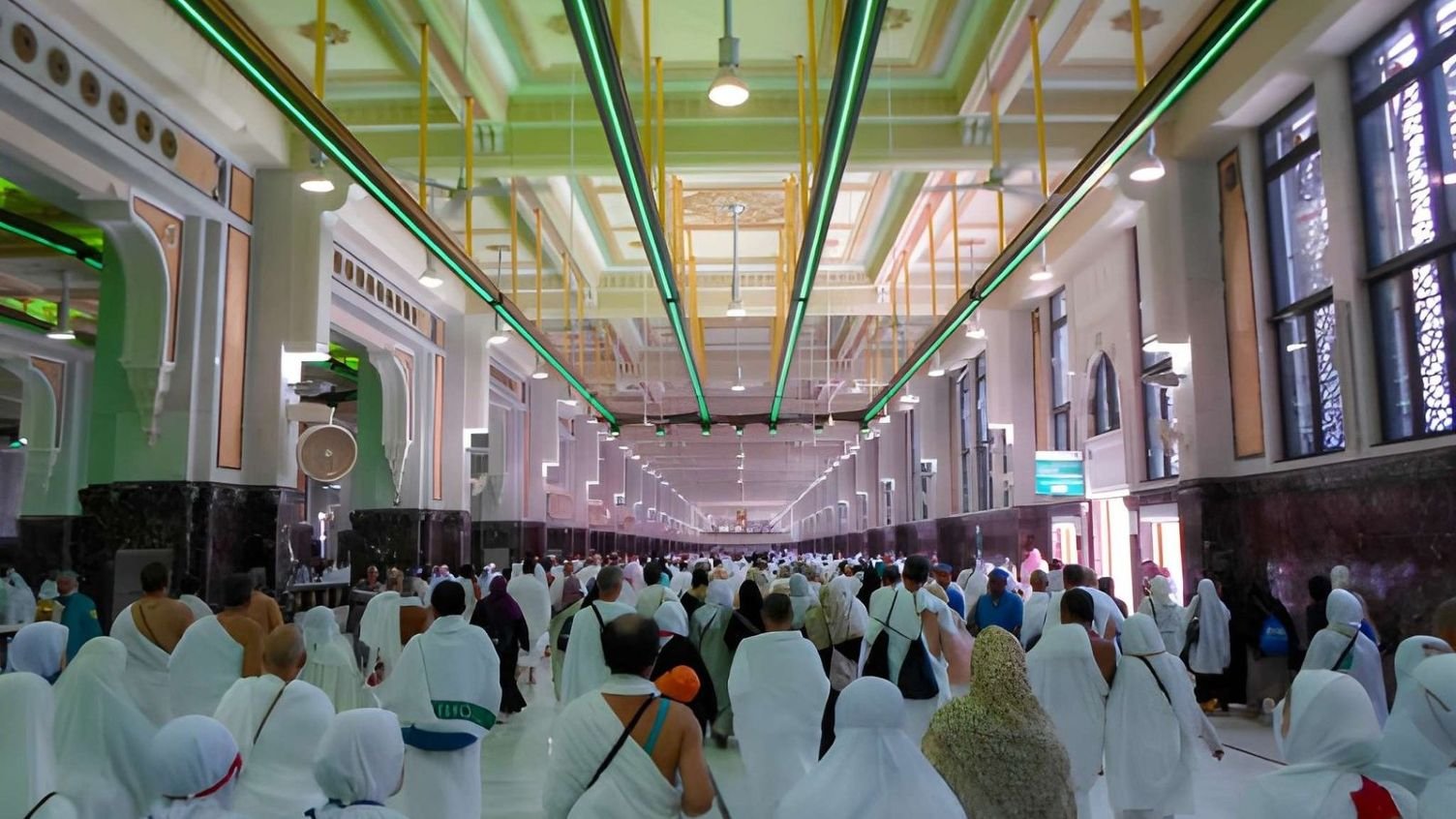
 Hajj
HajjEvery year, millions of Pakistani Muslims want to perform Hajj, but only a fixed number actually get the chance. The Hajj quota system 2027 decides exactly how many of them will travel, and understanding how it works can save you months of confusion and missed deadlines.
For most families, Hajj is not just a religious obligation but the result of years of saving, planning, and waiting for the right opportunity. That waiting period often feels even longer when the rules around quotas, registration, and eligibility keep changing from one year to the next. Pakistan’s system has grown more structured over the past few cycles, with digital registration, fixed scheme percentages, and stricter oversight of private operators. Knowing exactly how these pieces fit together before you apply can be the difference between a smooth journey to Haramain and months of unnecessary stress.
This guide breaks down everything Pakistani pilgrims need to know about the Hajj quota 2027, from how Saudi Arabia calculates national allocations to how Pakistan splits its share between government and private schemes.
What Is the Hajj Quota System?
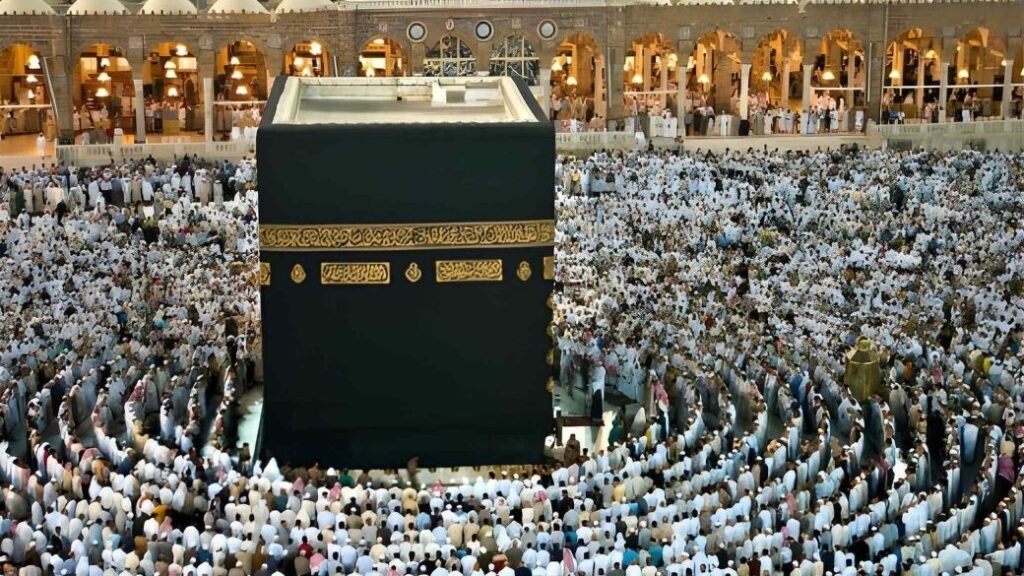
The Hajj quota system is the mechanism Saudi Arabia uses to control how many pilgrims from each country can perform Hajj in a given year. Without it, the holy sites in Makkah and Madinah would face impossible overcrowding, since global Muslim demand for Hajj far exceeds physical capacity.
Every country receives a fixed number of seats before the season begins. That number becomes the ceiling, and no country can send more pilgrims than its allocated share, regardless of how many people apply.
How Is Pakistan’s Hajj Quota Determined for 2027?
Saudi Arabia sets national quotas using a formula agreed upon by the Organisation of Islamic Cooperation (OIC) back in 1987. Under this rule, each member country receives roughly one Hajj seat for every 1,000 Muslims in its population, translating to about 1,000 pilgrims per million people.
Because Pakistan has one of the largest Muslim populations in the world, it consistently receives one of the biggest national allocations. Saudi authorities also factor in operational readiness, past performance, and logistics capacity before confirming the final number each year.
For Hajj 2027, Pakistan’s Ministry of Religious Affairs (MoRA) confirmed that discussions with Saudi Arabia were held before finalizing the allocation, and officials have indicated ongoing talks about raising the Saudi Hajj quota 2027 share for Pakistan in future cycles.
What Is Pakistan’s Official Hajj Quota System 2027?
Pakistan has been allocated a total of 179,210 seats for Hajj 2027, making it one of the largest national quotas anywhere in the world. This figure is split between two parallel channels: the government scheme and the private Hajj scheme.
Here is how the Pakistan Hajj quota System 2027 breaks down:
- Total national quota: 179,210 pilgrims
- Government scheme allocation: 107,526 seats (60 percent of the total)
- Private scheme allocation: 71,684 seats (40 percent of the total)
- Government Quota Sets Aside 30,000 Seats for the Short Hajj Package
What Is the Government Scheme Quota?
The government scheme is managed directly by MoRA and remains the most affordable route for most Pakistani pilgrims. For 2027, it accounts for 107,526 of the total Hajj pilgrims quota Pakistan has received, including a dedicated 30,000-seat allocation for the shorter Hajj package.
Applications under this scheme are processed on a first-come, first-served basis rather than a lottery, so early registration genuinely improves your chances of securing a spot before the quota fills.
What Is the Private Hajj Scheme Quota?
Private Hajj operators collectively manage 71,684 seats, roughly 40 percent of Pakistan’s total allocation. Under the new Hajj Policy 2027 to 2030, this quota is no longer distributed through fixed company-by-company allocations.
Instead, private operators now compete for pilgrim bookings through a performance-based, first-come, first-served digital system, which is a significant shift from how private quotas were assigned in previous years.
How Does the New Hajj Policy 2027 to 2030 Change Things?
Pakistan’s Ministry of Religious Affairs introduced a comprehensive multi-year Hajj policy covering 2027 through 2030, aimed at improving transparency and reducing costs through longer contracts with Saudi service providers. This is one of the most significant structural changes to the Hajj quota 2027 framework in recent memory.
Key changes under the new policy include:
- Multi-year contracts (three to four years) for air travel, accommodation, transport, and catering to control costs
- A complete shift to digital payments, eliminating paper-based cash transactions
- A new Hajj Savings Scheme allowing pilgrims to save toward future trips
- Mandatory SECP registration for all private Hajj operators
- A 5 percent performance guarantee required for a three-year operating licence
- A minimum booking threshold of 2,000 pilgrims per private operator
- Strict anti-monopoly rules that prohibit buying, selling, or subletting Hajj quotas
Operators who fail to meet the 2,000-pilgrim minimum will be deactivated, with half their security deposit forfeited and their existing pilgrims automatically transferred to compliant companies. This structure is designed to weed out unreliable operators and protect pilgrims from last-minute disruptions.
When Should Pakistani Pilgrims Register for Hajj 2027?
Registration for Hajj 2027 opened on June 22, 2026, and remains open until the full quota is filled, since there is no fixed closing date announced in advance. MoRA has confirmed that intending pilgrims can begin pre-registration using only their CNIC or NICOP, without needing a passport at this initial stage.
A passport becomes mandatory only when moving to the paid booking stage, and it must remain valid until at least November 16, 2027. Within just two weeks of the portal opening, ministry figures showed more than 232,000 pilgrims had already registered, which shows how quickly demand builds and why early action matters.
The first payment instalment for the government scheme was set to begin on August 17, 2026, with pilgrims required to submit 50 percent of the total package cost at that stage.
How Much Does Hajj 2027 Cost Under the Government Scheme?
Pakistan’s government has fixed two package tiers for the 2027 season, the standard 40-day Hajj package and a shorter package covering 20 to 25 days. Because it condenses the same essential services into a shorter timeframe, the abbreviated package comes at a slightly higher price than the regular one.
Both packages were confirmed by the Religious Affairs Minister and apply strictly to the government scheme. Private operator pricing varies depending on the accommodation tier, hotel proximity to the Haram, and service package chosen, so costs there can run noticeably higher or lower depending on what is included.
Which Is Better: Government Scheme or Private Hajj Operator?
Neither option is universally better since it depends on your budget, comfort expectations, and how much flexibility you want. The government scheme is generally cheaper and heavily regulated directly by MoRA, while private operators typically offer more choice over hotel category, group size, and travel dates.
Consider these factors before deciding:
- Budget: Government packages are fixed and usually more economical
- Comfort: Private operators often provide closer hotel proximity to the Haram and higher-tier accommodation
- Flexibility: Private schemes can offer varied departure dates and shorter or extended stays
- Reliability: Under the new policy, only SECP-registered operators with performance guarantees can legally operate, which reduces (though does not eliminate) the risk of fraud
Whichever route you choose, always verify that a private operator is officially registered under the current Hajj Policy 2027 to 2030 before making any payment.
Why Do Pilgrims Choose Aaila Hajj for Hajj and Umrah?
Choosing the right travel partner matters just as much as securing a seat in the quota. With more than 20 years in the field, Aaila Hajj is a Pakistan-based independent agency dedicated to guiding pilgrims through every stage of their Hajj and Umrah journey.
Pilgrims who travel with Aaila Hajj benefit from a full-service experience built around comfort, safety, and peace of mind. This includes luxury five-star accommodation, three buffet meals daily with refreshments included, and confirmed air tickets on comfortable flights.
Travel between cities is arranged in contemporary, air-conditioned luxury buses, with three nights at high-end hotels in Madina forming part of the regular package. Throughout the trip, Aaila Hajj provides VIP support and 24/7 medical assistance, along with dedicated female staff to support female pilgrims and their specific needs.
For first-time pilgrims especially, having a knowledgeable team on the ground removes much of the stress around rituals, logistics, and unfamiliar surroundings. Aaila Hajj offers complete guidance and support at every step, from pre-departure preparation to the final day of the pilgrimage.
If you are planning your Hajj or Umrah and want an experienced, independent partner to handle the details, reach out to Aaila Hajj to discuss your options and travel dates.
Conclusion
This system gives Pakistani pilgrims a total of 179,210 seats, split between the government and private schemes, with clear rules now governing how each seat is allocated and protected. Understanding this framework, along with the passport, payment, and registration timelines, puts you in a much stronger position to secure your place.
With the new multi-year policy in effect, private operators face stricter accountability, and applicants benefit from a more transparent, digitally managed process tied to the Saudi Hajj quota 2027 allocation than in previous years. Registering early, verifying your operator’s credentials, and keeping your passport valid through the required date remain the three most important steps you can take right now.
FAQ’s
What is Pakistan’s total Hajj quota for 2027?
Pakistan has been allocated 179,210 Hajj seats for 2027, split into 107,526 seats under the government scheme and 71,684 seats under the private Hajj scheme.
How is the Hajj quota calculated for each country?
Saudi Arabia uses an OIC-approved formula of roughly one Hajj seat per 1,000 Muslims in a country’s population, adjusted for operational capacity and past performance.
When did Hajj 2027 registration open in Pakistan?
Registration opened on June 22, 2026, and remains open on a first-come, first-served basis until the total quota is filled.
Do I need a passport to register for Hajj 2027?
No, initial pre-registration only requires a CNIC or NICOP. A passport valid until at least November 16, 2027, is required only at the paid booking stage
How much does the government Hajj package cost in 2027?
Government scheme packages for 2027 come in two tiers, a standard 40-day package and a shorter 20 to 25 day package, with the shorter option priced somewhat higher since it packs the same services into fewer days.


