

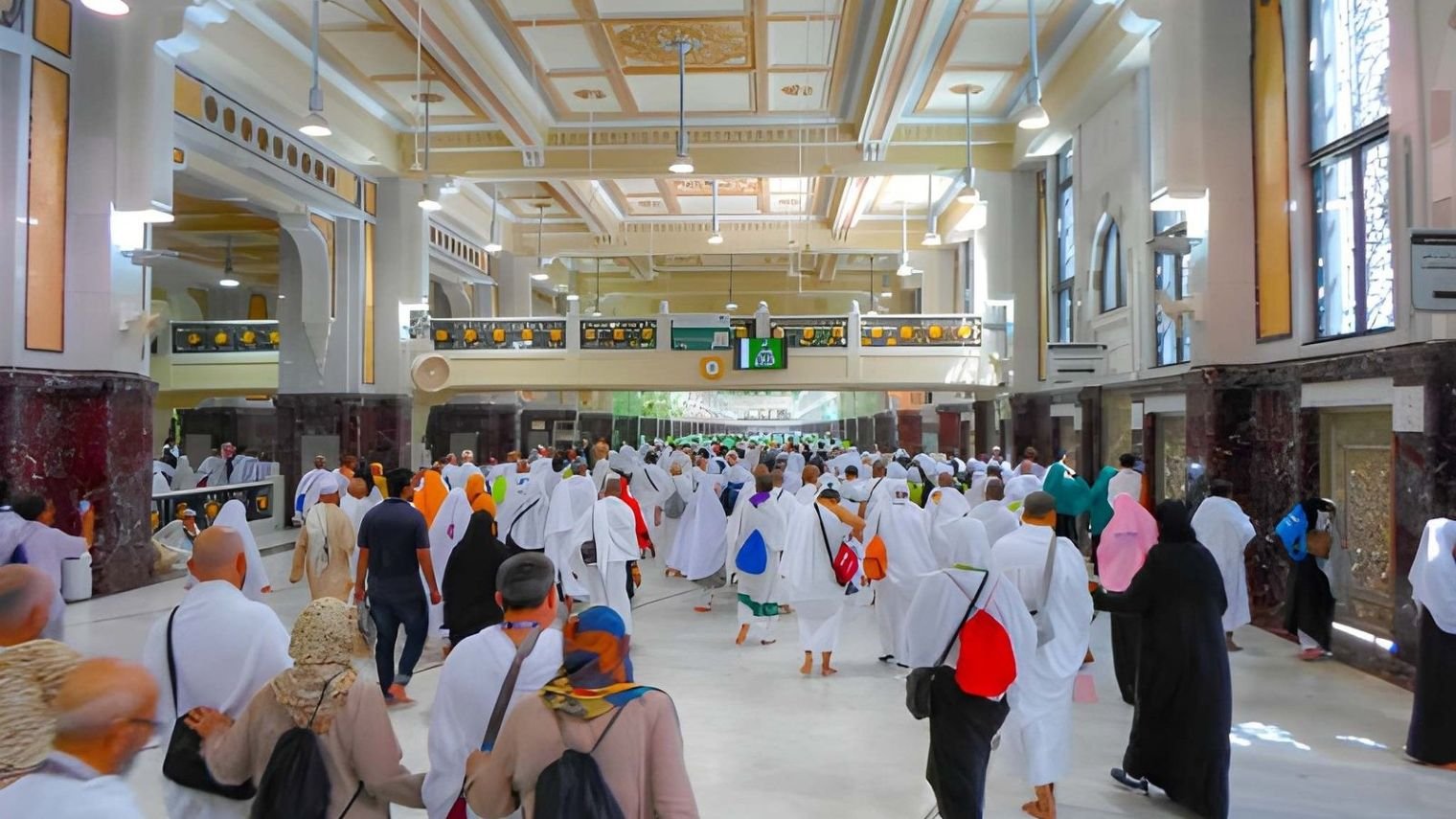
 Hajj
HajjTaking children on Hajj is one of the most meaningful decisions a Muslim family can make. It teaches kids the value of faith, patience, and sacrifice at an early age. But without the right preparation, the physical demands of Hajj can overwhelm both parents and children.
Hajj is not just a physical journey but a deeply emotional experience for every family member involved. When children accompany their parents, the pilgrimage takes on a new dimension of shared learning and growth. Parents often find themselves seeing familiar rituals through their children’s eyes, which adds a fresh sense of meaning to the entire trip. This shared experience can strengthen family bonds in ways that stay with children well into adulthood.
This guide brings together practical Hajj tips for families based on real pilgrim experiences and current Hajj logistics in Makkah and Madina. Whether this is your first Hajj with kids or your third, these insights will help you plan a safer, calmer, and more spiritually rewarding journey.
What Are the Most Important Hajj Tips for Families With Kids?
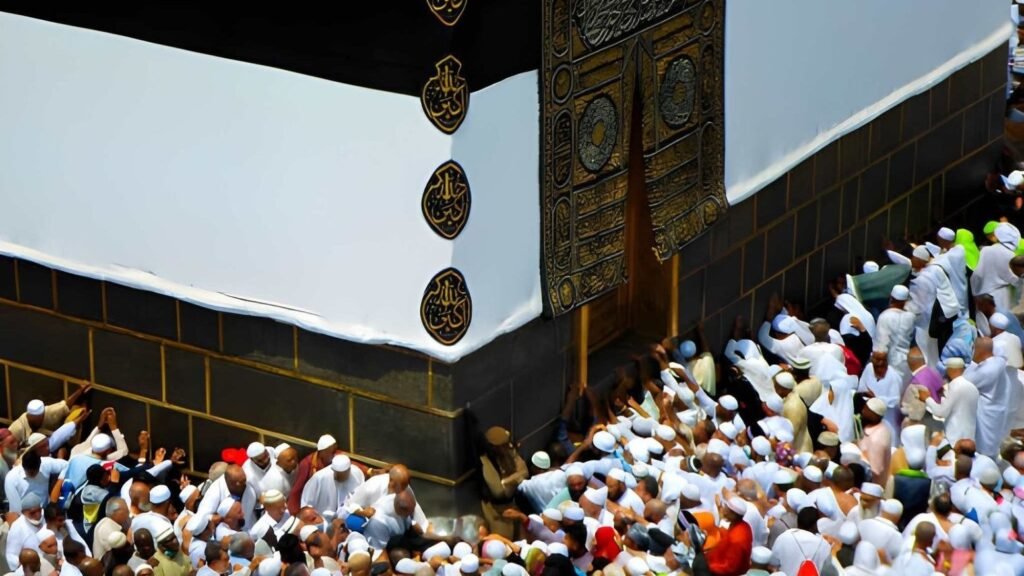
The most important thing to understand is that Hajj with children requires a different pace than Hajj without them. Families need extra time for movement, rest, and emergencies that solo pilgrims rarely think about.
Three principles matter most:
- Build in buffer time for every ritual, since children walk slower and tire faster
- Keep the family unit together at all times using ID bands or tags
- Prioritize hydration, shade, and rest over completing rituals quickly
These Hajj tips for families with kids apply whether your children are toddlers or teenagers. Younger kids need more physical support, while older kids need clear instructions and responsibility.
How Should Families Prepare Before Hajj?
Hajj Tips for Families: Hajj preparation for families should start at least two to three months before departure. Early preparation reduces stress once you arrive in Saudi Arabia, where crowds and heat leave little room for last-minute adjustments.
Start with documentation. Every child, regardless of age, needs a valid passport, Hajj visa, and updated vaccination record, including the meningitis vaccine required by Saudi health authorities. Confirm these requirements with your Hajj operator well in advance, since visa rules can change yearly. Following these Hajj Tips for Families can make the preparation process easier.
Next, prepare your children mentally. Explain what Hajj involves in simple terms: the crowds, the walking, the heat, and the spiritual purpose behind each ritual. Children who understand the “why” tend to cope better with the physical demands.
Finally, do a home trial run. Practice walking longer distances, wearing Ihram clothing at home, and sticking to simpler meals for a few days. This small step prepares children’s bodies for the change in routine they will experience in Makkah and Madina. These Hajj Tips for Families can help children adjust more comfortably.
What Should Families Pack for Hajj?
Hajj essentials for families go beyond the standard adult packing list. Children have different needs for comfort, hygiene, and safety during long hours in the Haram and at accommodation.
Here is a practical packing checklist for families traveling with kids:
- Lightweight, breathable clothing suited for extreme heat
- A small backpack for each child with water, snacks, and a whistle
- ID cards or wristbands with the parent’s name, hotel, and phone number
- Basic first aid kit with fever medicine, rehydration salts, and bandages
- A folding stroller or baby carrier for toddlers
- Sunscreen, hats, and sunglasses for UV protection
- Wet wipes, hand sanitizer, and extra masks
- A few familiar comfort items, such as a small toy or blanket
Pack light but smart. Overpacking creates its own burden when families are moving between Makkah, Mina, Muzdalifah, and Arafat multiple times during Hajj.
How Can Families Plan Travel and Accommodation?
Good Hajj travel tips for families center on choosing accommodation and transport that reduce walking distance and waiting time for children. Location matters more than luxury when kids are involved.
Where possible, choose hotels within a reasonable distance of the Haram, since long walks in high heat are harder on children than adults. If budget allows, closer accommodation during the days leading up to Hajj is worth the extra cost. These Hajj Tips for Families can make daily movement easier for children.
For transport between cities, private or group transport with air conditioning is far more manageable for families than shared public transport. Confirm ahead of time whether your package includes intercity travel, since this significantly affects comfort during the Madina to Makkah leg of the journey.
Also plan your Tawaf and Sa’i timing around your children’s energy levels. Early morning or late-night slots are typically cooler and less crowded, making rituals easier to complete safely with kids. Following these Hajj Tips for Families can help families manage the rituals more comfortably.
What Health and Safety Precautions Should Families Take?
Heat exhaustion and dehydration are the most common medical issues among pilgrims, and children are more vulnerable to both. According to Saudi health authorities, temperatures during Hajj season can exceed 45 degrees Celsius, which makes hydration a daily priority rather than an occasional reminder.
Keep these precautions in mind throughout the journey:
- Offer water to children every 30 to 45 minutes, even if they don’t ask
- Watch for signs of heat exhaustion, including dizziness, fatigue, and confusion
- Keep a copy of each child’s medical history and allergies accessible at all times
- Register with your group’s medical team upon arrival so responders know your family is present
If your child has asthma, allergies, or a chronic condition, carry a two-week supply of their medication in your carry on bag. Airport delays and last-minute schedule changes are common during Hajj season.
How Can Parents Keep Children Safe in Crowded Areas?
Crowd density during Hajj can reach levels most children have never experienced. Losing sight of a child for even a few seconds in Mina or during Tawaf can turn into a frightening situation.
Use a simple, repeatable safety system:
- Dress children in bright, easily identifiable clothing
- Assign one parent as the designated “child watcher” during each ritual
- Teach children to stay in one spot and wait if they get separated, rather than wandering to search for you
- Photograph your child each morning, so you have a current image showing exactly what they’re wearing
Many experienced Hajj groups also recommend a family meeting point, agreed upon before entering any crowded zone. This single habit resolves most separation incidents within minutes rather than hours.
What Are Smart Hajj Planning Tips for Families With Kids?
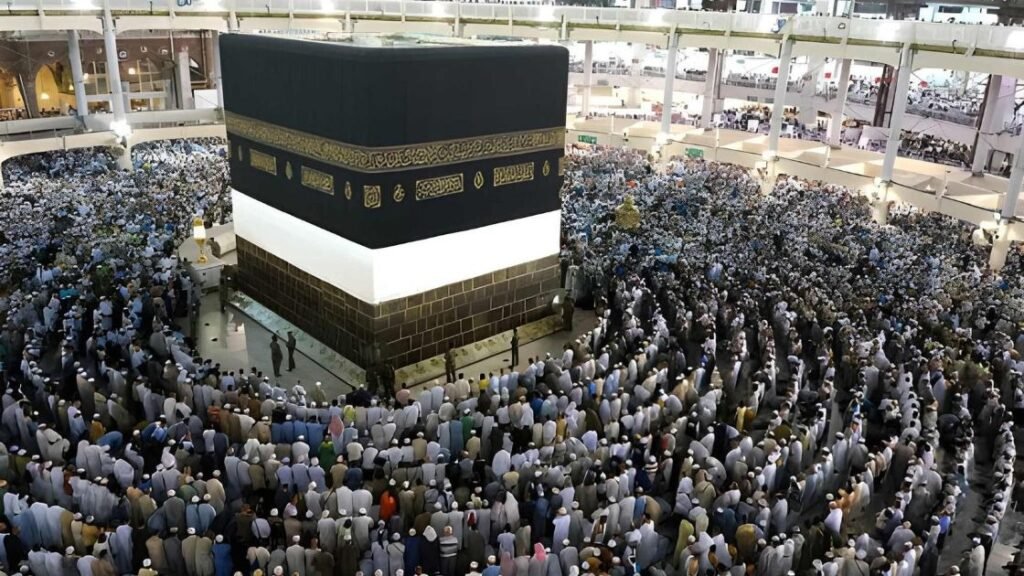
Strong Hajj planning tips for families focus on flexibility rather than rigid schedules. Children’s needs shift quickly, and families who build flexibility into their itinerary handle unexpected changes far better than those who don’t.
Consider these planning strategies:
- Split rituals across smaller sessions instead of attempting everything in one long stretch
- Assign older children small responsibilities, such as carrying water or helping siblings, to keep them engaged
- Choose a Hajj package that includes family-friendly room configurations rather than shared dormitory-style rooms
- Discuss a backup plan with your group leader in case a child becomes unwell mid-ritual
Traveling with an experienced Hajj operator that understands family logistics makes a measurable difference here, particularly when it comes to room allocation, meal timing, and transport scheduling.
Why Choose Aaila Hajj for Your Family’s Hajj Journey?
Families performing Hajj benefit enormously from working with an operator that has direct experience managing family groups, not just individual pilgrims. Aaila Hajj is an independent Hajj and Umrah travel partner based in Pakistan, built on more than 20 years of experience organizing pilgrimages for families, first-time pilgrims, and senior travelers.
Aaila Hajj structures its packages around the realities families face on the ground, offering luxury five-star accommodation close to the Haram with three buffet meals daily and refreshments. Travel comfort is built into every stage of the journey, with air tickets, comfortable flights, and modern luxury transportation throughout Saudi Arabia, including three nights in luxury Madina hotels and intercity travel in luxury buses. This reduces the physical strain long journeys place on young children and elderly family members alike.
Safety and support remain a priority throughout, with VIP support, 24/7 medical assistance, and dedicated female staff available for female pilgrims and their children. From documentation to daily guidance, Aaila Hajj provides complete support throughout Hajj or Umrah, letting families focus on the spiritual purpose of their journey rather than logistics.
If you’re planning Hajj or Umrah with your family this year, reach out to Aaila Hajj to discuss a package suited to your family’s needs.
Conclusion
Performing Hajj tips for families correctly comes down to preparation, patience, and realistic expectations about what children can manage physically during the pilgrimage. Every family that plans for hydration, rest, documentation, and safety gives their children a far better chance of experiencing Hajj as a positive, faith-building memory rather than a physically draining ordeal.
Good Hajj preparation for families doesn’t need to be complicated. It simply requires attention to the details that matter most: comfortable accommodation, manageable travel, proper hydration, and a safety plan every family member understands before setting foot in Makkah.
FAQ’s
Is it advisable to take young children for Hajj?
Yes, but it depends on the child’s age and health. Most scholars and experienced pilgrims recommend that Hajj is more manageable for children above six or seven years old, since infants and toddlers face higher risks from heat, crowding, and long walking distances.
What is the best age for a child to perform Hajj?
There is no fixed minimum age for religion, but physically, children aged 7 and above generally cope better with the walking, standing, and crowd conditions involved in Hajj rituals.
How much walking is involved in Hajj for families with kids?
Families can expect to walk several kilometers daily between Tawaf, Sa’i, and movement between Mina, Muzdalifah, and Arafat. Strollers, breaks, and off-peak timing help reduce the physical toll on children.
What vaccinations do children need before Hajj?
Saudi authorities typically require the meningitis vaccine for all pilgrims, including children, as well as routine immunizations. Requirements can change yearly, so confirm current rules with your Hajj operator before departure.
How can families avoid losing children in large crowds during Hajj?
Use ID bands with contact details, dress children in identifiable clothing, assign a designated adult to watch each child, and agree on a family meeting point before entering crowded areas.


