

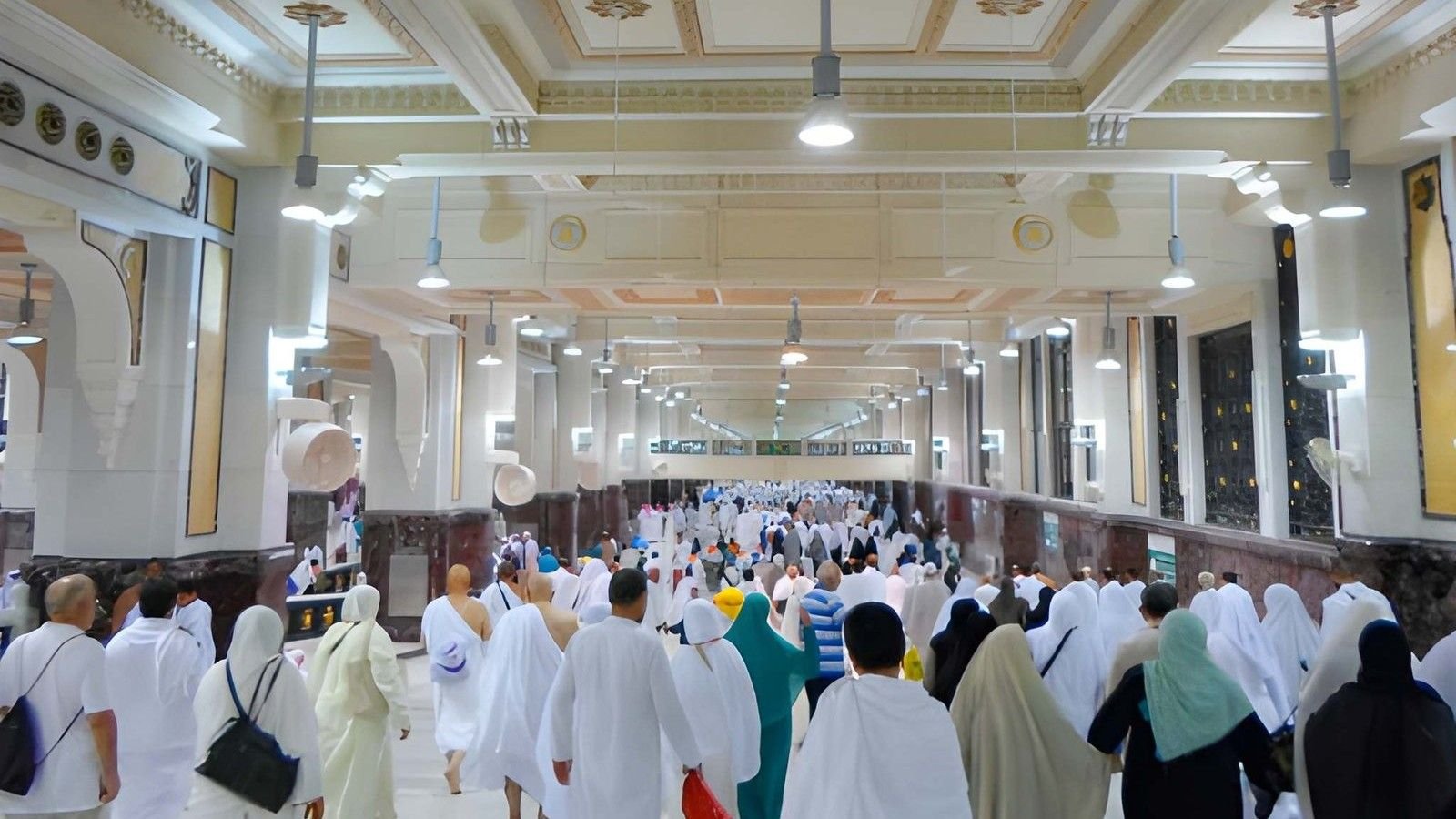
 Hajj
HajjEvery pilgrim who walks between Safa and Marwa is retracing the footsteps of Hajar, may Allah be pleased with her, as she searched for water for her infant son. Understanding how to perform Sa’ee correctly turns this walk from a physical exercise into a deeply meaningful act of worship. This guide breaks down the ritual into clear, practical steps so first time pilgrims and seasoned travelers alike can complete it with confidence and precision.
Millions of pilgrims complete this walk every year, yet many arrive without a clear idea of what is actually required of them. A little preparation beforehand removes most of the confusion once you are standing inside the mosque. Knowing what to expect helps you stay calm, focused, and present during the ritual itself.
Sa’ee is one of the pillars of Umrah and an obligatory ritual of Hajj, and getting the details right matters more than most pilgrims realize. A missed step, an incorrect starting point, or confusion during the crowded rounds can affect the validity of the ritual. This article walks through every stage, the required duas, and the errors that trip up even experienced travelers.
What Is Sa’ee and Why Does It Matter in Hajj and Umrah?
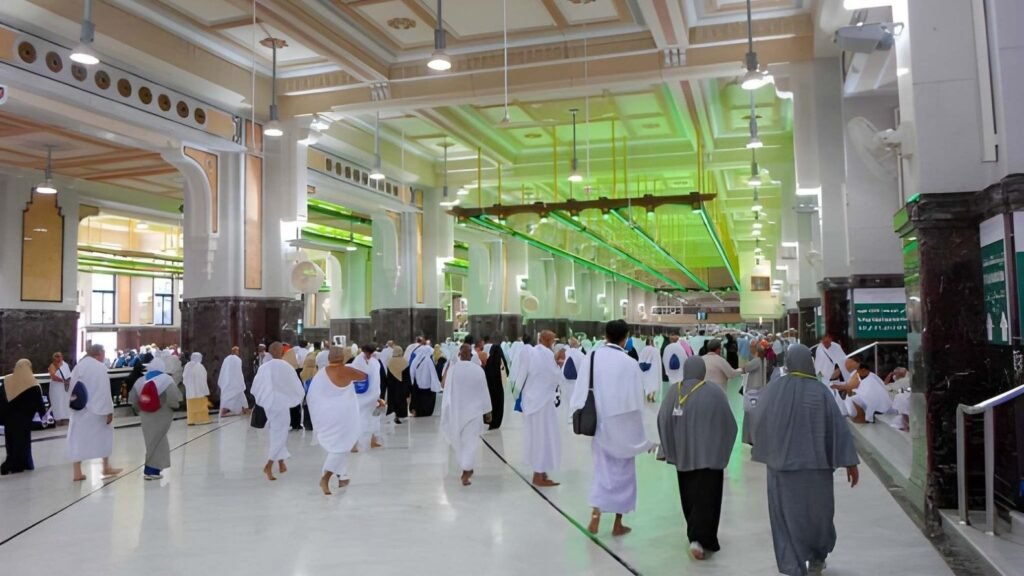
Sa’ee refers to walking seven times between the hills of Safa and Marwa inside the Masjid al Haram. The word itself means “to strive” or “to make effort,” and it commemorates Hajar’s determined search for water for her son Ismail, peace be upon him.
This act was later commanded by Allah as a permanent rite for every pilgrim performing Hajj or Umrah. It is mentioned directly in the Quran, where Safa and Marwa are described as among the symbols of Allah. Performing Sa’ee is not optional for either ritual; it is a core requirement that must be completed correctly for the Umrah or Hajj to be valid.
What Are the Conditions for a Valid Sa’ee?
Before starting, pilgrims should confirm a few essential conditions. Missing any of these can invalidate the ritual entirely.
- Sa’ee must be performed after Tawaf, never before it
- It must start at Safa and end at Marwa
- All seven laps must be completed, with going from Safa to Marwa counting as one lap
- The pilgrim must remain within the designated Sa’ee area inside the mosque
- Sa’ee does not require wudu, though it is recommended for extra reward
Unlike Tawaf, being in a state of ritual purity is not a strict condition for Sa’ee. This makes it easier for women who may be experiencing menstruation to complete this part of their Umrah or Hajj without delay.
How to Perform Sa’ee Correctly Between Safa and Marwa?
Sa’ee between Safa and Marwa follows a specific sequence that pilgrims should memorize before entering the mosque. Here is the step-by-step process:
- Head to the base of Safa Hill after completing Tawaf and its two rakat prayer
- Face the Kaaba from Safa and recite the required opening supplication
- Walk from Safa toward Marwa at a normal pace, completing lap one
- Men should jog briefly between the two green markers, while women continue walking normally
- Reach Marwa, face the Kaaba again, and repeat the supplication, completing lap one
- Walk back from Marwa to Safa for lap two
- Continue this pattern until seven laps are completed, ending at Marwa
Each one-way trip, whether from Safa to Marwa or Marwa back to Safa, counts as a single lap. Pilgrims often lose count in the crowds, so many use a simple tasbih counter or count on their fingers to stay accurate throughout the walk.
What Should You Recite During Sa’ee?
There is no single mandatory dua for the entire Sa’ee, which gives pilgrims flexibility in their worship. Scholars recommend the following approach based on authentic practice.
At Safa and Marwa, pilgrims recite the verse confirming that these two hills are among the symbols of Allah, followed by three declarations of Allah’s greatness and oneness. Knowing how to perform Sa’ee with the correct recitations at each point adds real meaning to the walk. Between the laps, pilgrims are free to recite Quran, make personal dua, or simply reflect in silence.
This flexibility is one reason Sa’ee feels personal to every pilgrim. Some choose to ask for specific needs during each lap, while others recite the same supplications Hajar herself might have called out during her search.
Many scholars advise pilgrims to treat each lap as a fresh opportunity for a specific category of dua rather than repeating the same words seven times. For example, one lap might focus on family, another on health, and another on forgiveness. This structure keeps the mind engaged and prevents the walk from becoming mechanical, especially during longer, more crowded sessions.
When Should You Perform Sa’ee During Umrah and Hajj?
Timing matters just as much as technique when it comes to how to perform Sa’ee correctly. For Umrah, Sa’ee is performed immediately after Tawaf al Umrah and its accompanying two rakat prayer, with no other rituals in between.
For Hajj, the timing depends on the type of Hajj a pilgrim is performing:
- Pilgrims performing Hajj Tamattu complete Sa’ee right after their Umrah Tawaf, and again after Tawaf al Ifadah
- Pilgrims performing Hajj Ifrad or Qiran usually complete Sa’ee once, either after Tawaf al Qudum or after Tawaf al Ifadah
- Sa’ee can technically be performed at any hour, since the mosque area for it remains open around the clock
Choosing quieter hours, such as late night or just before Fajr, often makes the walk more comfortable and allows for deeper focus during the supplications.
What Are the Common Mistakes in Sa’ee and How Can You Avoid Them?
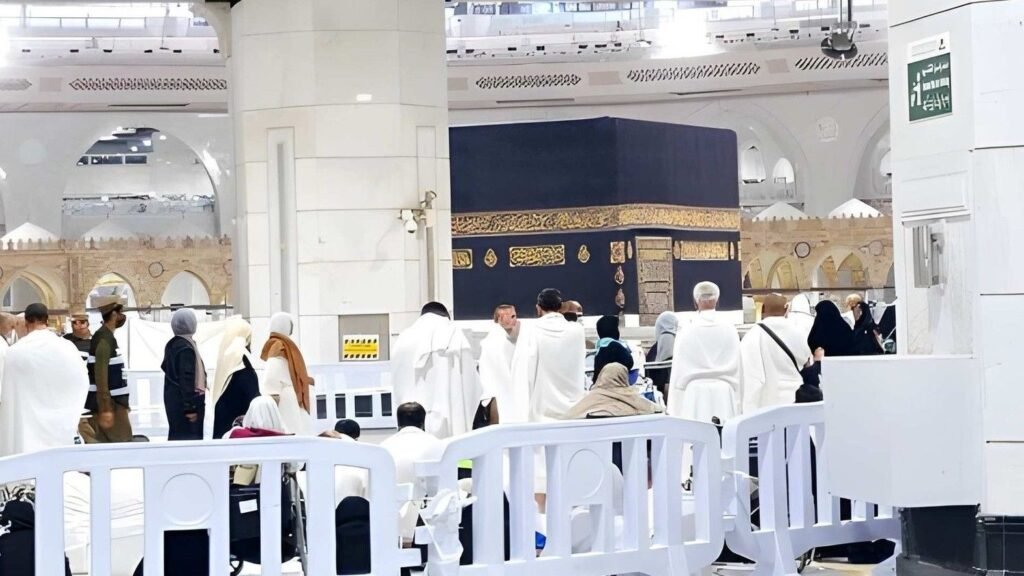
Common mistakes in Sa’ee often come from rushing through the ritual or misunderstanding its structure. Recognizing these errors in advance helps pilgrims complete the walk correctly on their first attempt.
- Starting Sa’ee at Marwa instead of Safa
- Losing count of laps due to crowd distractions
- Performing Sa’ee before completing Tawaf
- Assuming wudu is mandatory and delaying the ritual unnecessarily
- Skipping the men’s light jog between the green markers
- Leaving the designated Sa’ee pathway and rejoining incorrectly
- Ending on Safa instead of Marwa after the seventh lap
Mistakes to avoid during Sa’ee also include treating the walk as purely physical rather than devotional. Pilgrims who rush through without reflection often miss the emotional and spiritual weight of retracing Hajar’s footsteps. Slowing down, even slightly, helps restore that connection.
How Should Elderly or Sick Pilgrims Perform Sa’ee?
The Masjid al Haram provides wheelchair accessible lanes specifically for elderly, disabled, or unwell pilgrims. These lanes run alongside the main pathway and follow the same route between Safa and Marwa.
Pilgrims who cannot walk can be pushed in a wheelchair by a family member or a hired assistant. The ruling remains the same regardless of mobility method, as long as the seven laps are completed correctly and in the proper sequence.
Families traveling with elderly parents should plan for extra time and, where possible, book an assistant in advance, since demand for wheelchair services rises sharply during peak Hajj and Umrah seasons. Staying hydrated and taking short breaks between laps, when needed, does not invalidate the Sa’ee as long as the pilgrim remains within the designated area and eventually completes all seven laps.
Why Aaila Hajj Is the Right Choice for Your Pilgrimage?
Performing rituals like Sa’ee correctly becomes far easier when the rest of your journey is handled by people who understand the process inside out. This is where working with an experienced travel partner makes a real difference, especially for first-time pilgrims and families traveling together.
Aaila Hajj is an independent Hajj and Umrah travel partner based in Pakistan, with more than 20 years of experience guiding pilgrims through every stage of their journey. That depth of experience means fewer surprises and more time to focus on worship rather than logistics.
Pilgrims traveling with Aaila Hajj benefit from a package built around comfort and reliability, including:
- Luxury five-star accommodation close to the Haramain
- Three buffet meals daily along with refreshments
- Air tickets and comfortable, well-organized flights
- Modern luxury transportation throughout the trip
- Three nights’ stay in luxury hotels in Madina
- Premium Bus Service Connecting the Two Holy Cities
- VIP Care with Round-the-Clock Medical Help on Call
- Dedicated female staff to assist female pilgrims
- Complete Guidance Throughout Your Sacred Journey
For anyone who wants to focus fully on rituals like Sa’ee and Tawaf without worrying about arrangements, reaching out to Aaila Hajj is a practical first step toward a smoother, more comfortable pilgrimage.
Conclusion
Knowing how to perform Sa’ee correctly transforms a simple walk into one of the most meaningful parts of Hajj and Umrah. From starting at Safa to counting each lap carefully, small details make a significant difference in the validity and quality of this worship.
Pilgrims who prepare in advance, understand the required duas, and stay aware of common errors tend to complete their Sa’ee between Safa and Marwa with far more focus and confidence. Pairing that preparation with a reliable travel partner allows the entire pilgrimage to feel organized rather than overwhelming.
FAQ’s
Is Sa’ee compulsory in both Hajj and Umrah?
Yes, Sa’ee is a pillar of Umrah and an obligatory ritual of Hajj. Without completing it correctly, the Umrah or Hajj is not considered valid.
Can Sa’ee be performed without wudu?
Yes, wudu is not a strict requirement for Sa’ee, though scholars recommend performing it in a state of purity for greater reward.
How many laps make up a complete Sa’ee?
A complete Sa’ee consists of seven laps, starting at Safa and ending at Marwa. Each one way trip between the two hills counts as one lap.
What happens if someone loses count during Sa’ee?
If a pilgrim is unsure of the count, the safer approach is to assume the lower number and continue walking until seven full laps are confirmed. Using a counter or tracking app before starting helps prevent this issue entirely.
Do women need to jog between the green markers during Sa’ee?
No, the light jog between the green markers applies only to men. Women walk at a normal, steady pace throughout the entire Sa’ee.


