

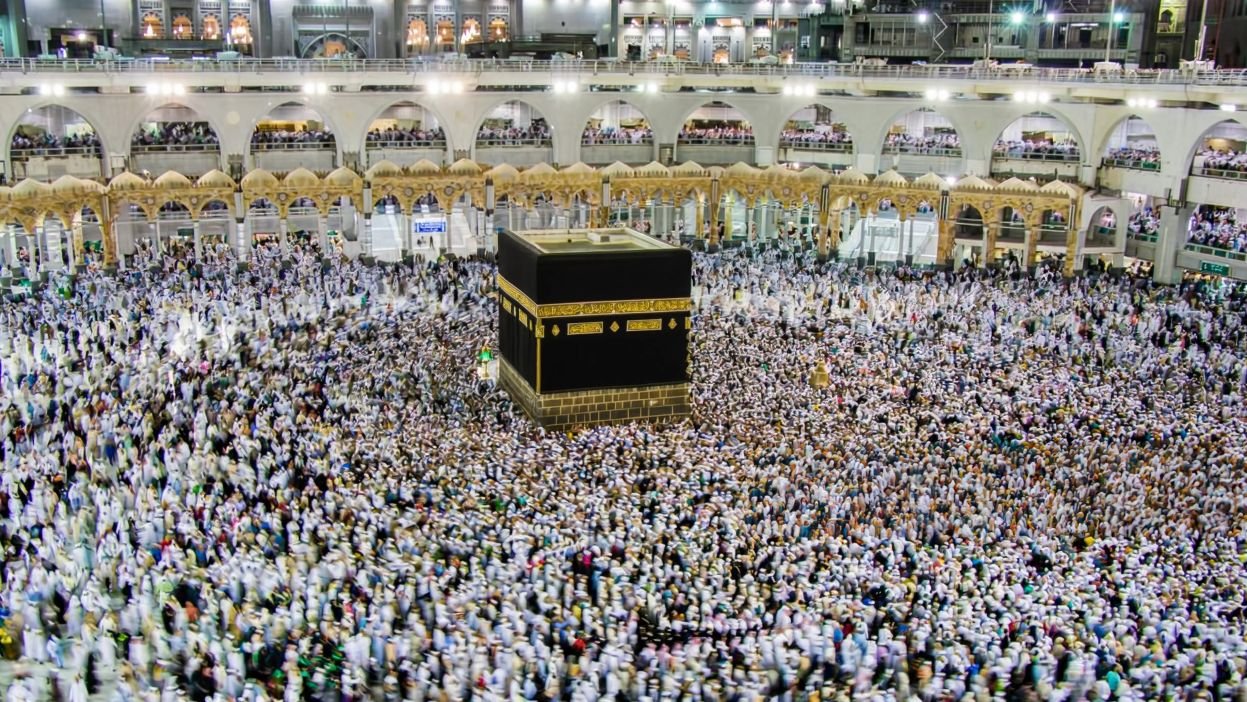
 Hajj
HajjIf you’re planning to perform Hajj in 2027, this is the year that policy actually caught up with demand. Between new Saudi regulations and Pakistan’s first-ever four-year Hajj plan, the Major Updates of Hajj 2027 touch almost every part of the pilgrimage, from where you’ll sleep to how much you’ll pay. This guide breaks down what changed, why it matters, and what pilgrims from Pakistan need to do next.
We’ve pulled together the confirmed announcements from Saudi Arabia’s Ministry of Tourism and Pakistan’s Ministry of Religious Affairs so you get one clear, accurate picture instead of scattered headlines. As a Hajj and Umrah travel partner working directly with pilgrims each year, Aaila Hajj has tracked these changes closely because they shape how every pilgrim’s journey is planned, from registration to accommodation.
What Are the Major Updates of Hajj 2027?
At a glance, three governments and organizations have reshaped the pilgrimage experience for 2027. Saudi Arabia introduced stricter accommodation classifications, mandatory integrated service packages, and a new training requirement for Hajj office staff. Pakistan, meanwhile, launched a multi-year Hajj policy with a revised quota split, digital payments, and a Pakistan Origin Card allocation for the first time.
Here’s a quick summary of the biggest changes:
- Hajj accommodation in Makkah and Madinah is now classified into economy and first class categories with stricter safety checks.
- Package D has been scrapped and replaced with three restructured Hajj packages.
- Pakistan’s total quota for 2027 stands at 179,210 seats, split 60 percent government and 40 percent private.
- Pakistan Origin Card holders can perform Hajj under Pakistan’s quota for the first time, with 1,792 seats reserved for them.
- Cash transactions have been abolished in favor of digital payments through the State Bank of Pakistan.
- Women can now apply for Hajj without a male guardian, subject to an official undertaking.
Each of these deserves a closer look, since they directly affect how you register, budget, and prepare.
What Are the New Policies of Hajj 2027 for Saudi Arabia?
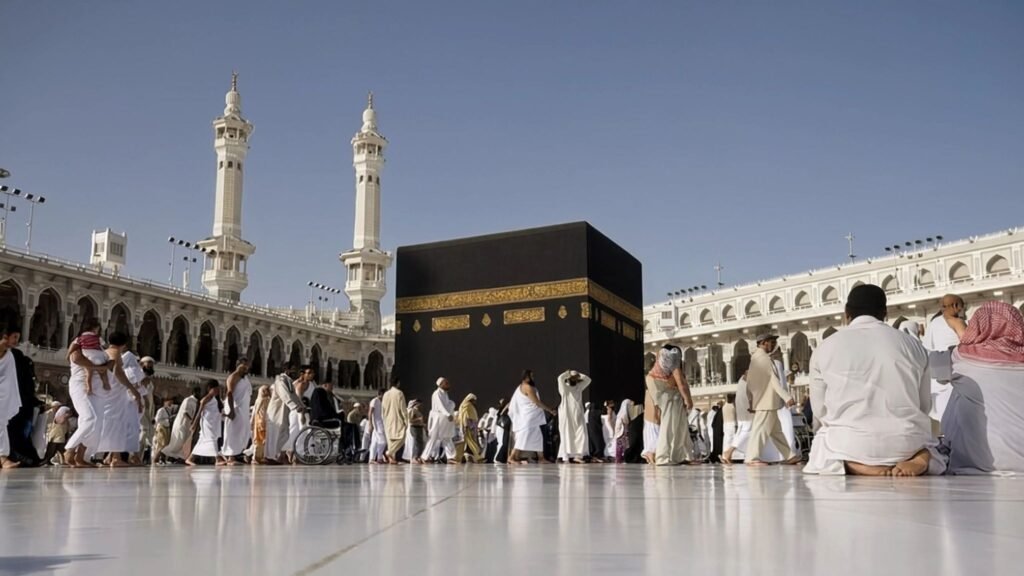
Saudi Arabia’s Ministry of Tourism approved updated regulations governing accommodation licensing, classification, and safety standards ahead of the 2027 season. Ministry spokesperson Nasr Alansari said the changes strengthen the regulatory and operational framework and require accommodation facilities to be fully prepared before receiving pilgrims.
Under these new policies of Hajj 2027, hotels and residential buildings serving pilgrims will fall into two clear tiers. The updated requirements cover operational readiness, safety and maintenance standards, continuity of essential services and compliance with operating requirements aimed at providing pilgrims with a safe and organised stay.
A second major shift involves how Hajj packages are structured. Saudi authorities announced the cancellation of the popular Package D, with Hajj packages restructured into three categories to better meet the preferences of pilgrims. Accommodation, transportation, and catering will now come bundled as a mandatory, integrated service rather than separate add-ons.
Officials also opened an early booking window for Hajj offices and international service providers. Beginning on June 30, 2026, Hajj affairs offices and international Hajj service providers were able to secure priority reservations for accommodation in Makkah and Madinah, giving operators more lead time to lock in quality housing.
How Has Pakistan’s Hajj 2027 Policy Changed?
Pakistan’s Ministry of Religious Affairs took a notably different approach this cycle by planning years, not months, ahead. The ministry introduced a comprehensive multi-year Hajj Policy and Plan covering 2027 to 2030, aimed at ensuring long-term stability, transparency, and cost efficiency in Hajj operations.
This is one of the most talked about Hajj 2027 latest updates because it changes how contracts, pricing, and registration will work for the next four years, not just this one.
Some of the practical changes pilgrims should know about:
- Pakistan will seek three- to four-year contracts in Saudi Arabia for air travel, accommodation, transportation, catering, and baggage management to reduce costs and improve planning.
- All financial dealings will run through the State Bank of Pakistan and integrated digital payment portals, replacing paper-based cash handling.
- Government scheme pilgrims can choose between a 38 to 42 day standard package or a 20 to 25 day short package.
- Women are now allowed to perform Hajj without a male guardian, subject to submission of an official undertaking.
- Private operators are barred from buying, selling, or subletting Hajj quotas, a move meant to prevent cartelization.
For families and first-time applicants, the digital payment shift and flexible package lengths are probably the most immediately useful part of this reform.
What Is the Pakistan Hajj 2027 Quota and How Is It Divided?
Pakistan’s national allocation for 2027 is substantial. Pakistan’s total Hajj quota for 2027 has been set at 179,210 pilgrims, with 107,526 seats, or 60 percent, allocated for the government Hajj scheme and the remaining 71,684 seats, or 40 percent, allocated to the private Hajj scheme.
That split matters because it determines how many seats go through the official government portal versus licensed private operators. Pakistan’s quota of 179,210 pilgrims remains one of the largest in the world, and per the Hajj 2027 latest updates, both government and private routes will require mandatory online registration this cycle.
Applications are moving fast. Reported ministry figures showed more than 232,000 pilgrims registered within just the first two weeks after the portal opened, and selection runs on a first-come, first-served basis until every seat is filled. That’s a strong reason not to delay your registration if you’re serious about performing Hajj in 2027.
Are POC Holders Eligible for Hajj 2027?
Yes, and this is genuinely new. The ministry confirmed that Pakistan Origin Card holders will be included in the Hajj quota for the first time in 2027, with 1 percent of the total quota, or 1,792 seats, reserved specifically for POC holders.
POC holders will be able to apply through both the government and private Hajj schemes, though their participation depends on there being no legal or administrative obstacles to the issuance of Saudi visas. If you hold a POC and previously assumed Hajj wasn’t an option through Pakistan’s quota, this update opens that door for the first time.
These Hajj 2027 new updates on POC eligibility close a gap that many overseas families have raised for years, and they’re worth confirming early if this applies to your household.
What New Accommodation Standards Apply for Hajj 2027?
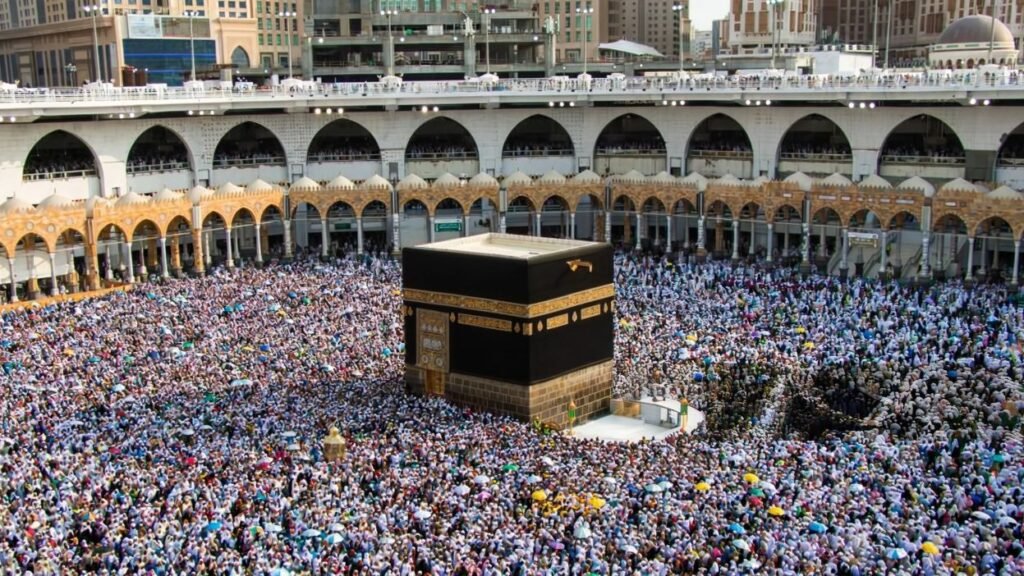
Housing quality has long been a pain point for pilgrims, and Saudi Arabia’s 2027 reforms target it directly. Facilities in Makkah and Madinah must now pass inspections covering common areas, reception spaces, cleanliness, guest rooms, and guest services before they’re licensed to host pilgrims.
Operators who don’t meet the standard face real consequences. The Tourism Ministry also approved a new schedule of violations for accommodation facilities operating in the holy cities, giving authorities a formal enforcement tool rather than relying on complaints after the fact.
For pilgrims, this translates into a more predictable experience. You’ll know in advance whether your package includes economy or first class housing, and the facility itself will have already cleared safety and service checks rather than being assessed only after complaints roll in.
How Much Will Hajj 2027 Cost in Pakistan?
Costs are rising, but the new multi-year contracts are designed to slow that trend over time. Officials estimate the government Hajj package for 2027 will cost between Rs1.2 million and Rs1.3 million, reflecting an increase of more than Rs300,000 over the past five years.
Hajj expenses will be collected in two equal installments, with applicants required to pay half the total amount at the time of submitting their application. A Hajj Savings Scheme has also been introduced, allowing intending pilgrims to save toward the cost gradually rather than arranging a lump sum at the last minute.
Private packages typically sit at a different price point depending on hotel category, room sharing, and included services, which is where working with an experienced operator makes budgeting far more transparent.
Why Aaila Hajj Is the Right Partner for Hajj 2027
With so many new rules around accommodation classifications, mandatory service packages, and digital registration, having an experienced partner matters more this year than in previous cycles. Aaila Hajj is an independent Hajj and Umrah travel partner based in Pakistan, with more than 20 years of experience guiding pilgrims through exactly these kinds of regulatory shifts.
Here’s what pilgrims can expect when they travel with Aaila Hajj:
- Luxury five-star accommodation that already meets the new Saudi classification standards.
- Three buffet meals daily, along with refreshments throughout the stay.
- Air tickets and comfortable flight arrangements handled from start to finish.
- Modern, luxury transportation for every leg of the journey.
- Three nights’ stay in luxury hotels in Madina as part of the standard itinerary.
- Intercity travel in luxury buses between Makkah, Madina, and the holy sites.
- VIP support with 24/7 medical assistance available throughout the trip.
- Dedicated female staff to support female pilgrims at every stage.
- Complete guidance from registration through to the final rites of Hajj or Umrah.
Because Aaila Hajj operates independently and stays closely aligned with both Saudi and Pakistani policy changes, pilgrims don’t have to interpret the fine print themselves. If you’re planning your journey around the new quota, packages, or accommodation rules, reach out to Aaila Hajj to talk through your options and get your registration started the right way.
Conclusion
The Major Updates of Hajj 2027 mark one of the most significant policy overhauls in recent memory, from Saudi Arabia’s stricter accommodation classifications to Pakistan’s first multi-year Hajj plan. Pilgrims who register early, understand the new quota split, and choose a partner familiar with these changes will have a smoother path to the holy cities.
Staying on top of Hajj 2027 latest news is no longer optional given how fast registration is moving and how many procedural details have shifted. Whether you’re applying through the government scheme or a private operator, the goal is the same: a safe, well-organized, and spiritually fulfilling journey.
FAQ’s
What is Pakistan’s total Hajj quota for 2027?
Pakistan’s total quota for Hajj 2027 is 179,210 pilgrims, with 60 percent allocated to the government scheme and 40 percent to private Hajj operators.
Can POC holders perform Hajj in 2027?
Yes. For the first time, Pakistan Origin Card holders are included in Pakistan’s Hajj quota, with 1,792 seats specifically reserved for them under the 2027 arrangement.
What happened to Hajj Package D?
Package D has been discontinued by Saudi authorities. Hajj packages for 2027 have been restructured into three categories designed to better match pilgrim preferences and budgets.
Do women need a male guardian to perform Hajj in 2027?
No. Under Pakistan’s new Hajj policy, women can apply to perform Hajj without a male guardian, provided they submit an official undertaking as part of their application.
How much does the government Hajj package cost in 2027?
Officials estimate the government Hajj package for 2027 will cost between Rs1.2 million and Rs1.3 million, payable in two equal installments through digital payment channels.


