

 Hajj
HajjEvery year, more than a million Muslims leave behind their homes, careers, and comforts to stand on the plains of Arafat wearing two simple white sheets, embodying the spiritual significance of Hajj in its purest form. This simple act reveals a profound spiritual lesson of Hajj: it removes distinctions of status, wealth, and nationality, leaving every person as an equal servant standing humbly before their Creator.
Hajj is not merely a religious obligation checked off a list. It is a structured spiritual experience, built ritual by ritual, to dismantle ego and rebuild faith. Understanding Hajj and its significance helps explain why pilgrims often describe it as the most transformative experience of their lives. It is a journey that speaks directly to the heart, asking a person to let go of pride and return to a simpler, more sincere state of worship. For many, this shift in perspective is the true starting point of a deeper relationship with Allah.
This guide breaks down exactly why Hajj holds such a central place in a Muslim’s spiritual life, what each major ritual teaches, and how the lessons learned in Makkah and Madinah are meant to carry forward long after the pilgrimage ends.
Why Is Hajj and Its Significance Central to Muslim Faith?
Hajj is the fifth pillar of Islam, obligatory once in a lifetime for every adult Muslim who is physically and financially capable. But its role goes far beyond a checklist item.
The Prophet Muhammad ﷺ said that a person who performs Hajj correctly, avoiding sin and dispute, returns as pure as the day their mother gave birth to them. That single statement captures the spiritual importance of Hajj: it is a reset button for the soul, a chance to return to a state of spiritual purity.
Hajj also commemorates the trials of Prophet Ibrahim (AS), his wife Hajar, and their son Ismail (AS). Every ritual, from the sprint between Safa and Marwah to the stoning of the pillars, retraces their story of faith, patience, and submission to Allah.
How does Hajj contribute to a Muslim’s spiritual growth and personal transformation?
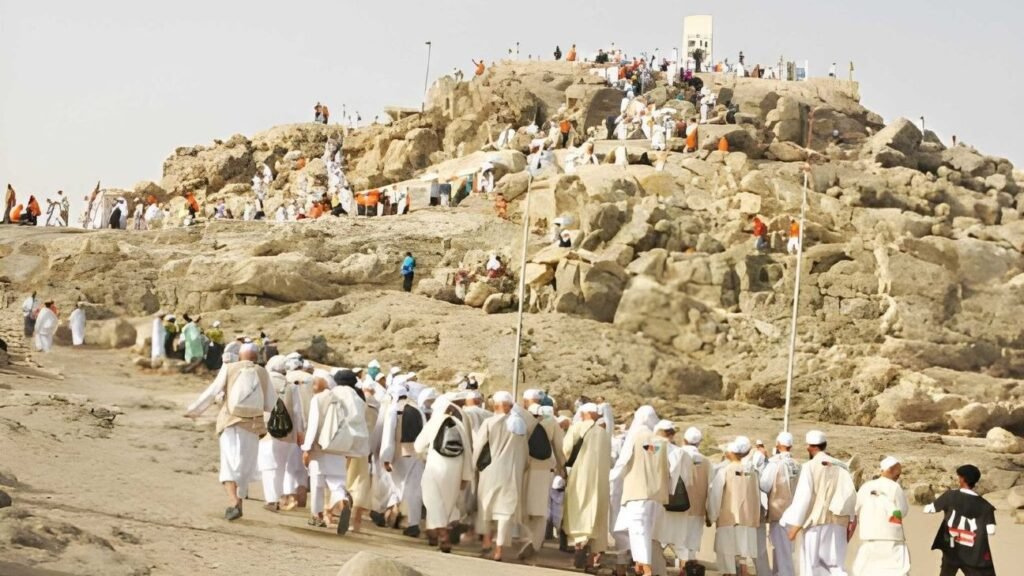
Each rite of Hajj carries a lesson designed to reshape the pilgrim internally, not just outwardly.
How Does Ihram Represent Spiritual Equality?
Wearing Ihram, the simple white cloth, removes visible markers of wealth and status. A billionaire and a laborer stand identically dressed before Allah. This visual equality is one of the clearest expressions of the importance of Hajj in Islam as a great equalizer of humanity.
What Does Standing at Arafat Teach a Pilgrim?
The Day of Arafat is widely considered the peak of Hajj. Pilgrims spend the day in prayer, reflection, and sincere repentance, and many scholars describe this day as a preview of the Day of Judgment.
Standing among thousands of others, all calling out to Allah at once, tends to shift a person’s perspective permanently. Personal problems that once felt overwhelming often shrink in comparison to the scale of divine mercy witnessed on that plain.
Why Does Tawaf Around the Kaaba Matter Spiritually?
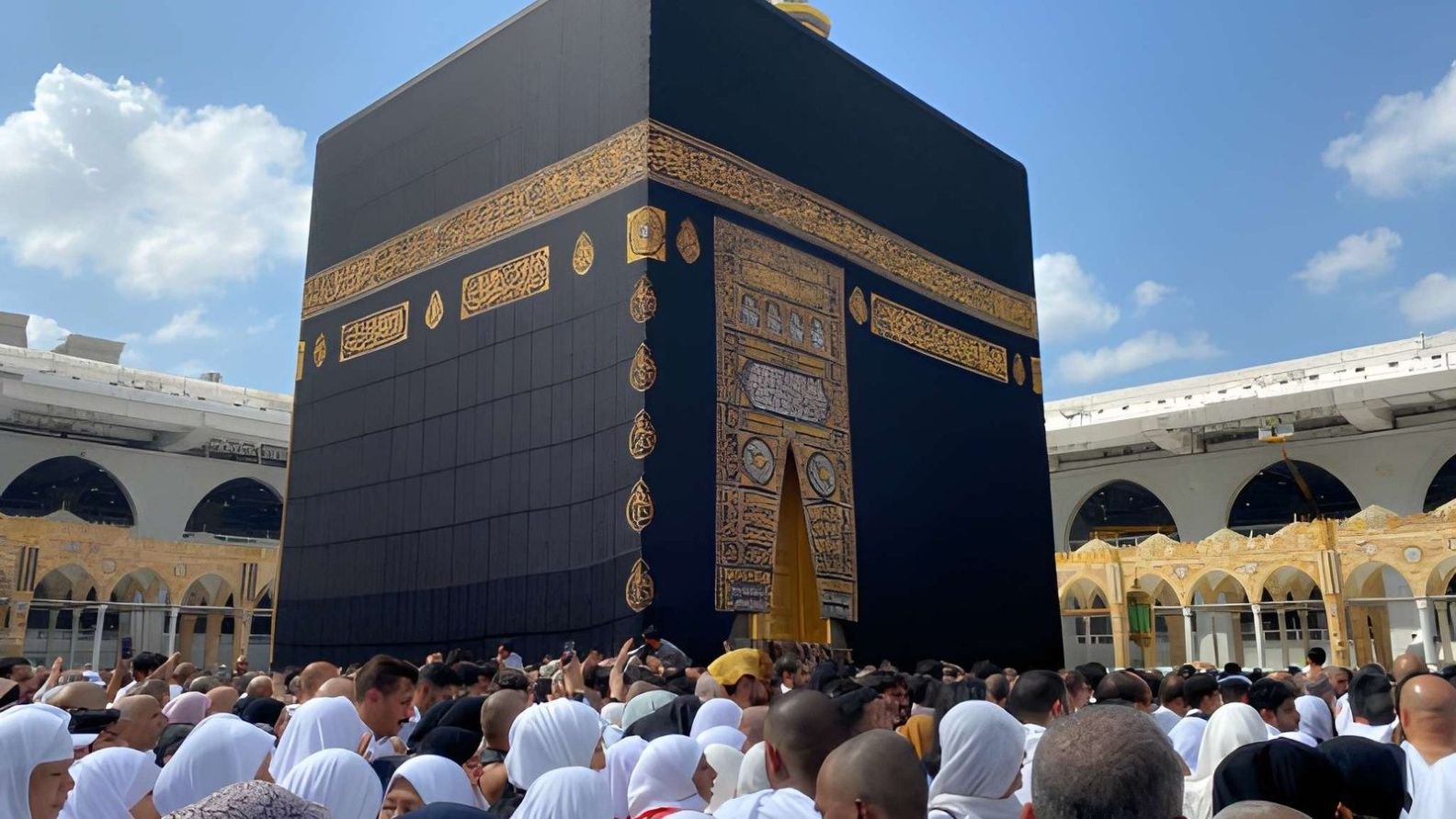
Circling the Kaaba seven times places the pilgrim in constant motion around a single fixed point, symbolizing a life oriented entirely around Allah rather than worldly distractions. This ritual reinforces tawheed, the core Islamic belief in the oneness of God.
What Do Sa’i and the Stoning of the Pillars Symbolize?
Sa’i, the walk between the hills of Safa and Marwah, reenacts Hajar’s desperate search for water for her infant son Ismail. Pilgrims retrace her steps as a reminder that Allah rewards patience and effort, even when a situation feels hopeless.
Stoning the pillars at Mina represents rejecting the whispers of Shaytan, just as Prophet Ibrahim (AS) once did when tempted to abandon his obedience to Allah. This ritual asks pilgrims to confront their own temptations and cast them aside with the same resolve.
What Are the Benefits of Hajj Beyond Ritual Observance?
The benefits of Hajj extend well past the days spent in Makkah and Madinah. Pilgrims commonly report lasting changes in character, priorities, and daily worship habits.
Some of the most noted benefits include:
- A renewed and deeper relationship with Allah
- Forgiveness of previous sins, as mentioned in authentic hadith
- Greater patience, gratitude, and humility in daily life
- A stronger sense of global Muslim brotherhood and sisterhood
- Reduced attachment to material possessions and status
- Improved discipline in prayer and worship after returning home
- A tangible reminder of mortality and the temporary nature of this world
These outcomes are not automatic. They depend on the sincerity, patience, and intention a pilgrim brings into the journey.
Physical hardship also plays a quiet but important role. Long walks under the sun, crowded rituals, and disrupted sleep schedules test a pilgrim’s patience in ways ordinary worship rarely does. Learning to remain calm and grateful under these conditions is, in itself, one of the most practical benefits of Hajj, since it builds resilience that carries directly into everyday life.
Why is Hajj so closely connected to the ideas of unity and equality in Islam?
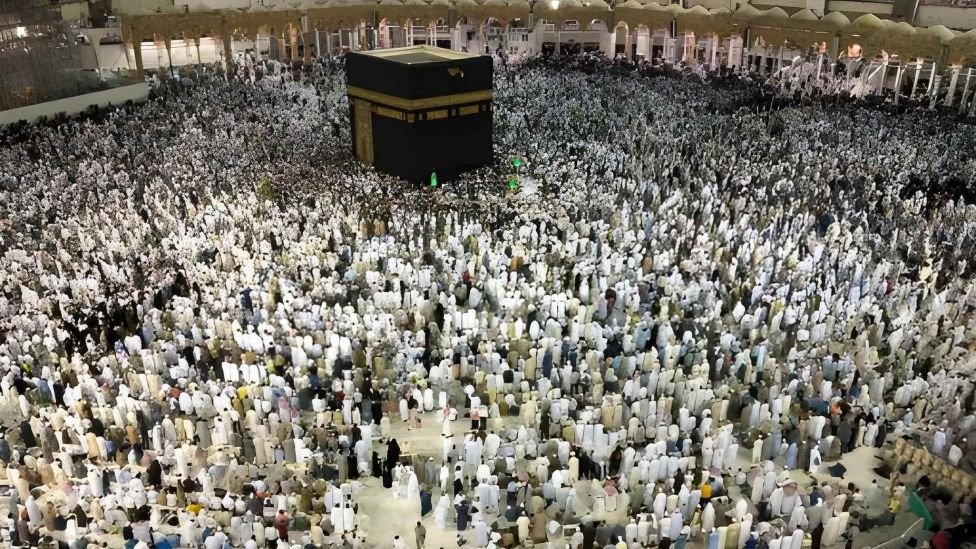
Few Islamic practices demonstrate unity as powerfully as Hajj. Pilgrims arrive from more than 180 countries, speaking different languages and following different cultural customs, yet they perform identical rituals in unison.
This shared experience dissolves racial, national, and economic divisions that often separate people elsewhere. The importance of Hajj in Islam as a symbol of the ummah’s unity is one reason it remains one of the most studied and admired religious gatherings in the world.
Malcolm X famously wrote about how his experience during Hajj reshaped his understanding of race relations, describing the genuine brotherhood he witnessed among pilgrims of every skin color praying side by side.
This unity is not accidental. Islam has always taught that piety, not lineage or wealth, determines a person’s worth before Allah. Hajj simply puts that teaching into physical practice, gathering millions of strangers who live as a single community bound by shared faith rather than shared background.
How Does Hajj Prepare a Muslim Spiritually for Life After Pilgrimage?
Hajj is designed to be a beginning, not an ending. The habits built during the pilgrimage, sincerity in worship, patience under hardship, and humility before Allah, are meant to carry into daily life long after returning home.
Many pilgrims describe three lasting shifts after Hajj:
- A stronger commitment to the five daily prayers
- More conscious spending and reduced materialism
- Increased patience during personal or family difficulties
Scholars often advise new Hajjis to treat their return as a fresh starting point, maintaining the spiritual discipline they practiced in Makkah rather than letting it fade within weeks.
Community support helps here too. Many pilgrims stay connected with fellow Hajjis after returning home, sharing reminders and encouragement to keep the momentum of Hajj alive rather than letting daily routine slowly erode it.
Why Choose a Trusted Partner for Your Hajj Journey?
Planning a spiritually meaningful Hajj also requires practical preparation, and this is where the right travel partner makes a real difference. Aaila Hajj, an independent Hajj and Umrah travel company based in Pakistan, has supported pilgrims for more than 20 years with services designed to remove logistical stress so travelers can focus fully on worship.
Pilgrims traveling with Aaila Hajj benefit from luxury five star accommodation throughout their stay, along with three buffet meals daily and refreshments to keep energy levels steady during long days of ritual. Comfortable airfare options and properly arranged flights help minimize travel exhaustion before the pilgrimage has even started.
Once in Saudi Arabia, modern luxury transportation and intercity travel by luxury buses make moving between holy sites smoother and safer, particularly for elderly or first time pilgrims. Groups also receive three nights of accommodation in luxury hotels in Madina, allowing time for peaceful reflection at the Prophet’s Mosque.
Aaila Hajj additionally provides VIP support with 24/7 medical assistance on hand for emergencies, along with dedicated female staff assigned to support female pilgrims throughout the trip. From visa processing to daily guidance during rituals, the team offers complete support at every stage of the journey.
If you are planning your own pilgrimage and want an experienced, reliable partner to handle the details, reaching out to Aaila Hajj is a practical first step toward a comfortable and well organized trip.
Conclusion
This meaning extends beyond any one specific ritual or moment. It is a complete journey of the heart, built through standing at Arafat, circling the Kaaba, and walking in the footsteps of prophets who submitted fully to Allah.
For pilgrims who approach the spiritual importance of Hajj with sincerity, the experience often reshapes how they pray, spend, and treat others long after they return home. Choosing experienced support for the practical side of the journey, such as accommodation, transport, and guidance, allows that focus on worship to remain undisturbed from the very first day to the last.
FAQ’s
What is the main spiritual significance of Hajj?
The Spiritual Significance of Hajj lies in its ability to purify the soul, dissolve worldly distinctions, and renew a Muslim’s direct connection with Allah through structured acts of worship performed alongside millions of others.
Why is Hajj considered so important in Islam?
Hajj is one of the five pillars of Islam and is obligatory once in a lifetime for capable Muslims. It commemorates the sacrifices of Prophet Ibrahim (AS) and his family and reinforces core beliefs such as tawheed, equality, and submission to Allah.
What are the key spiritual benefits of performing Hajj?
Pilgrims often experience forgiveness of past sins, renewed humility, stronger patience, and a deeper sense of gratitude. Many also return with lasting improvements in prayer consistency and reduced attachment to material life.
How does Hajj promote unity among Muslims?
Hajj brings Muslims from every nation, language, and social background together in identical white garments, performing the same rituals at the same time. This shared experience removes visible markers of status and reinforces the idea of one global Muslim community.
Can Hajj change a person permanently?
Many pilgrims describe Hajj as a genuinely life changing experience, though lasting change depends on how consistently they apply the lessons of patience, humility, and worship after returning home rather than letting the experience fade over time.


