

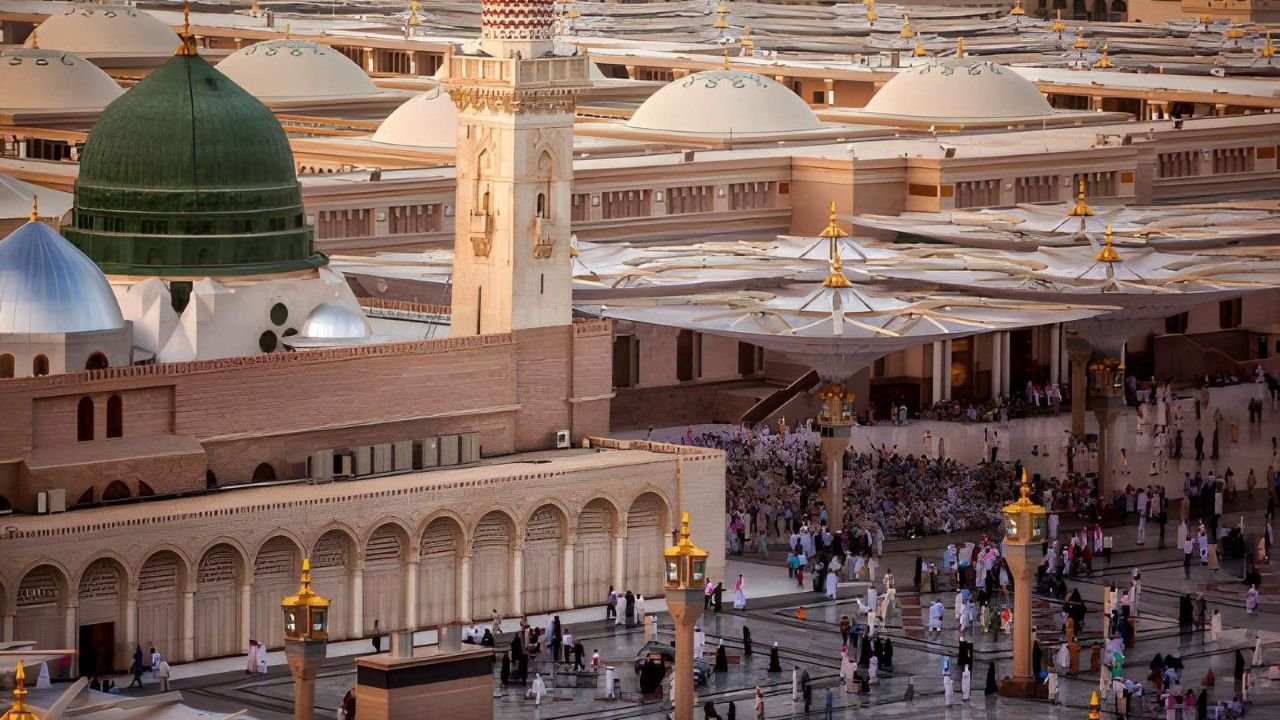
 Hajj
HajjA well-planned Hajj and Umrah packing list can make the difference between a smooth, focused pilgrimage and a stressful one spent searching for missing essentials. Every year, thousands of first-time pilgrims from Pakistan and around the world arrive in Makkah and Madina carrying either too much or too little, and both mistakes create unnecessary hardship during a journey that demands physical stamina and mental clarity.
This guide breaks down exactly what to pack, why each item matters, and how to organize your luggage so you spend less time worrying about logistics and more time in worship. Think of it as a complete first-time pilgrim checklist, covering everything from packing essentials to the physically demanding rites of Hajj, with principles that apply to almost every pilgrim, regardless of age or travel package.
What Should Be on Your Hajj and Umrah Packing List?
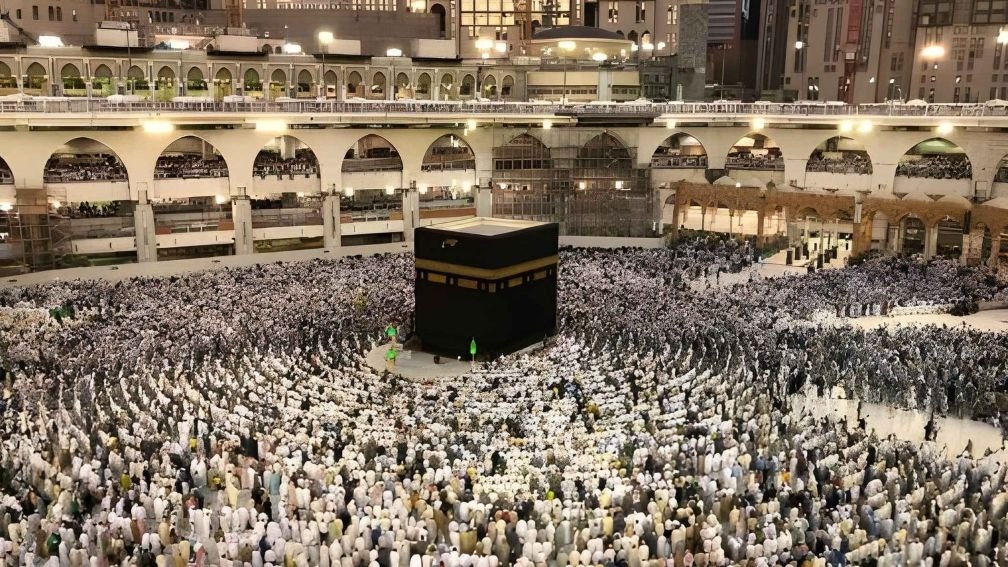
At its core, a Hajj packing list should cover five categories: documents, clothing, toiletries and health items, electronics, and comfort accessories. Missing any one of these categories usually causes the most common problems pilgrims report, such as forgotten medication, inadequate footwear, or a lack of identification during crowded rituals. Before packing a single item, separate your belongings into two bags. One is a small carry-on or waist bag for essentials you need during travel and rituals. The other is your main check-in luggage for items you will only need at the hotel.
Keeping these items separate is among the most useful Hajj and Umrah packing suggestions that seasoned travel agents share with beginners, since it saves pilgrims from having to rummage through a bulky suitcase while standing in Tawaf queues or waiting for their ride.
What Documents Do First-Time Pilgrims Need to Pack?
Documentation is non-negotiable, and losing a single paper can delay your entire group. Keep both physical copies and digital scans stored in cloud storage or email, so you have a backup if the original is misplaced.
Pack the following documents in a waterproof pouch inside your carry-on:
- A valid passport that won’t expire for at least another six months
- Hajj or Umrah visa printout, even if it is also stored digitally
- Vaccination certificates, including the mandatory meningitis vaccine and any seasonal requirements announced by Saudi authorities
- Flight tickets and hotel booking confirmations
- Travel insurance documents and emergency contact numbers
- Passport-sized photographs, usually four to six copies, for unexpected administrative needs
Group leaders and reputable operators typically issue an identification card or wristband for each pilgrim, which should be worn at all times rather than packed away.
Which Clothing Items Belong in Your Umrah Packing List?
Clothing needs differ slightly for men and women, and understanding Ihram requirements is essential for a valid pilgrimage. For men, Ihram consists of two unstitched white sheets, and it is wise to pack at least two sets in case one gets soiled or torn.
For women, Ihram simply means modest, loose clothing that covers the body appropriately, without any specific color requirement, though many pilgrims prefer plain, breathable fabrics.
First-time pilgrim essentials in the clothing category include:
- Two to three sets of Ihram for men, made from lightweight, breathable cotton
- Ihram belt or safety pins to secure the lower garment comfortably
- Modest, loose-fitting abayas or long dresses for women, in breathable fabric
- Comfortable walking sandals that are easy to remove for prayer
- Light socks, since Makkah’s marble floors can be extremely hot during the day
- A light jacket or shawl for cooler nights and air-conditioned spaces
- Undergarments and spare clothing for at least seven to ten days, since laundry access varies by hotel
Avoid packing heavy woolen clothing unless your Hajj coincides with the cooler winter months, since Saudi Arabia’s climate is predominantly hot and dry for most of the year.
What Toiletries and Health Items Should You Pack for Hajj?
Health preparation is often underestimated, yet it directly affects how well pilgrims can perform physically demanding rituals like Tawaf, Sa’i, and the walk between Mina, Muzdalifah, and Arafat. Unscented toiletries are mandatory while in the state of Ihram, since fragrance is prohibited during this period. Getting this part of your first-time pilgrim essentials right early on saves you from discomfort later in the journey.
Your toiletries and health kit should include:
- Unscented soap, shampoo, and deodorant
- A basic first aid kit with bandages, antiseptic cream, and blister plasters
- Any prescription drugs kept in their original containers, accompanied by a note from your doctor.
- Oral rehydration salts and electrolyte sachets to manage heat and dehydration
- Sunscreen with high SPF, since sun exposure during outdoor rituals is significant
- A small nail clipper, since trimming nails is part of completing Ihram rites
- Face masks, useful during crowded periods and for dust protection
Pilgrims managing diabetes, high blood pressure, or heart conditions should carry a detailed medical summary in English or Arabic, in case emergency care is needed away from their group.
What Electronics and Gadgets Help During Hajj and Umrah?
Modern pilgrims rely on a few key gadgets to stay connected and organized without turning the trip into a digital distraction. The goal is functionality, not entertainment, so keep this list minimal.
Handy electronics to bring include a universal travel adapter, as Saudi Arabia’s plug sockets differ from those in Pakistan, along with a portable power bank, since charging spots tend to be scarce near the Haramain during busy periods.. A local Saudi SIM card or an international roaming package keeps you connected to your group leader and family back home.
Many pilgrims also download offline maps of Makkah and Madina, along with a reliable Quran and Hajj guide app, before departure, since internet connectivity can be inconsistent inside the Grand Mosque complex.
How Should Senior Pilgrims Adjust Their Packing List?
Senior pilgrims and those with limited mobility need a slightly modified approach that prioritizes physical support over volume. Packing lighter is actually more important for this group, since carrying heavy bags adds unnecessary strain during an already demanding journey. These Hajj & Umrah packing tips become especially useful for older travelers who need to conserve energy for the rituals themselves.
Consider these adjustments for elderly or physically limited pilgrims:
- A lightweight foldable cane or walking stick for support during long walks
- Compression socks to reduce swelling from extended standing and walking
- A small folding stool for resting during long queues, where permitted
- Extra doses of routine medication, packed separately in case of delays
- A wheelchair request submitted in advance through your travel operator, if mobility is a concern
Operators experienced in senior pilgrim care generally arrange dedicated assistance and slower-paced schedules for older travelers, which reduces physical strain considerably.
What Are Common Packing Mistakes First-Time Pilgrims Make?
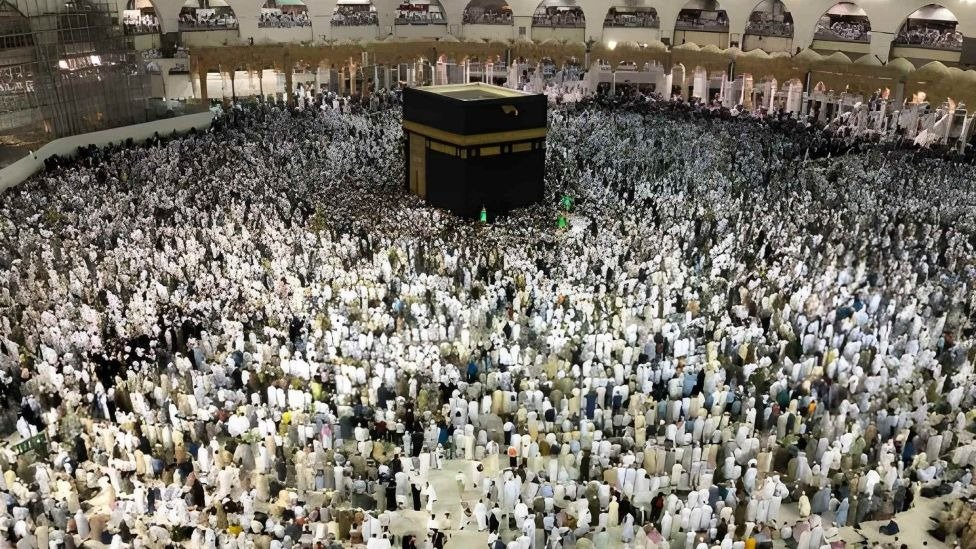
Even well-prepared pilgrims fall into predictable traps. Overpacking clothing is the most frequent mistake, since most rituals require only Ihram or modest daily wear, not an extensive wardrobe.
Another common error is forgetting a physical copy of essential documents, relying entirely on a phone that could be lost, stolen, or run out of battery at a critical moment. Packing new, unbroken-in shoes is a third mistake, as it often leads to painful blisters during the long walking distances of Hajj rituals.
Finally, many first-timers forget small comfort items like a prayer mat, a reusable water bottle, or lip balm for desert air, all of which noticeably improve daily comfort once discovered too late.
Why Should You Choose Aaila Hajj for Your Pilgrimage?
Packing the right items is only one part of preparing for Hajj or Umrah. The travel partner you choose determines your comfort, safety, and peace of mind throughout the entire journey, which is why this decision deserves the same careful attention as your packing list.
Aaila Hajj is a Pakistan-based Hajj and Umrah travel partner with more than 20 years of experience guiding pilgrims through every stage of their journey, operating independently with its own dedicated team and services. That experience shows in the details that first-time pilgrims often do not think to ask about until they are already abroad.
Pilgrims traveling with Aaila Hajj enjoy luxury five-star accommodation with three daily buffet meals and refreshments, comfortable air travel, and modern luxury bus transfers between Makkah and Madina. In Madina, the package includes three nights in a luxury hotel close to Masjid an Nabawi, along with VIP support, 24/7 medical assistance, and dedicated female staff for female pilgrims.
From visa processing to the final return flight, Aaila Hajj offers complete guidance at every step, ideal for first-time pilgrims. If you want a well-organized journey from day one, reach out to Aaila Hajj to discuss a package suited to your needs.
Conclusion
Getting your Hajj and Umrah packing list right is about more than convenience. It directly affects your energy, focus, and ability to complete each ritual without unnecessary distraction or discomfort. A well-packed bag means fewer worries at the airport, at the hotel, and during the long hours spent in worship. When your essentials are sorted in advance, you can give your full attention to the spiritual purpose of the journey rather than to logistics.
Start early, pack by category, and always prioritize function over volume when following Hajj packing tips from experienced pilgrims or trusted operators. With the right preparation, your first pilgrimage can be the meaningful, undistracted experience it is meant to be.
FAQ’s
What is the most important item on a Hajj and Umrah packing list?
Valid identification documents, including your passport and visa printout, are the single most critical items, since losing them can delay or disrupt your entire pilgrimage.
How many sets of Ihram should men pack for Hajj?
Most experienced pilgrims recommend packing two to three sets of Ihram, since the fabric can tear or become soiled and access to laundry facilities is not always immediate.
Can women wear colored clothing during Ihram?
Yes, unlike men, women are not restricted to white clothing during Ihram. The requirement is modest, loose-fitting attire that appropriately covers the body.
What toiletries are prohibited during Ihram?
Any scented soap, perfume, or fragranced lotion is prohibited while in the state of Ihram. Pilgrims should pack unscented alternatives for the entire Ihram period.
Is it necessary to carry cash for Hajj and Umrah?
Yes, carrying a moderate amount of Saudi Riyals in cash is recommended for small purchases, tips, and situations where card payments or ATMs are inaccessible.


