

 Umrah
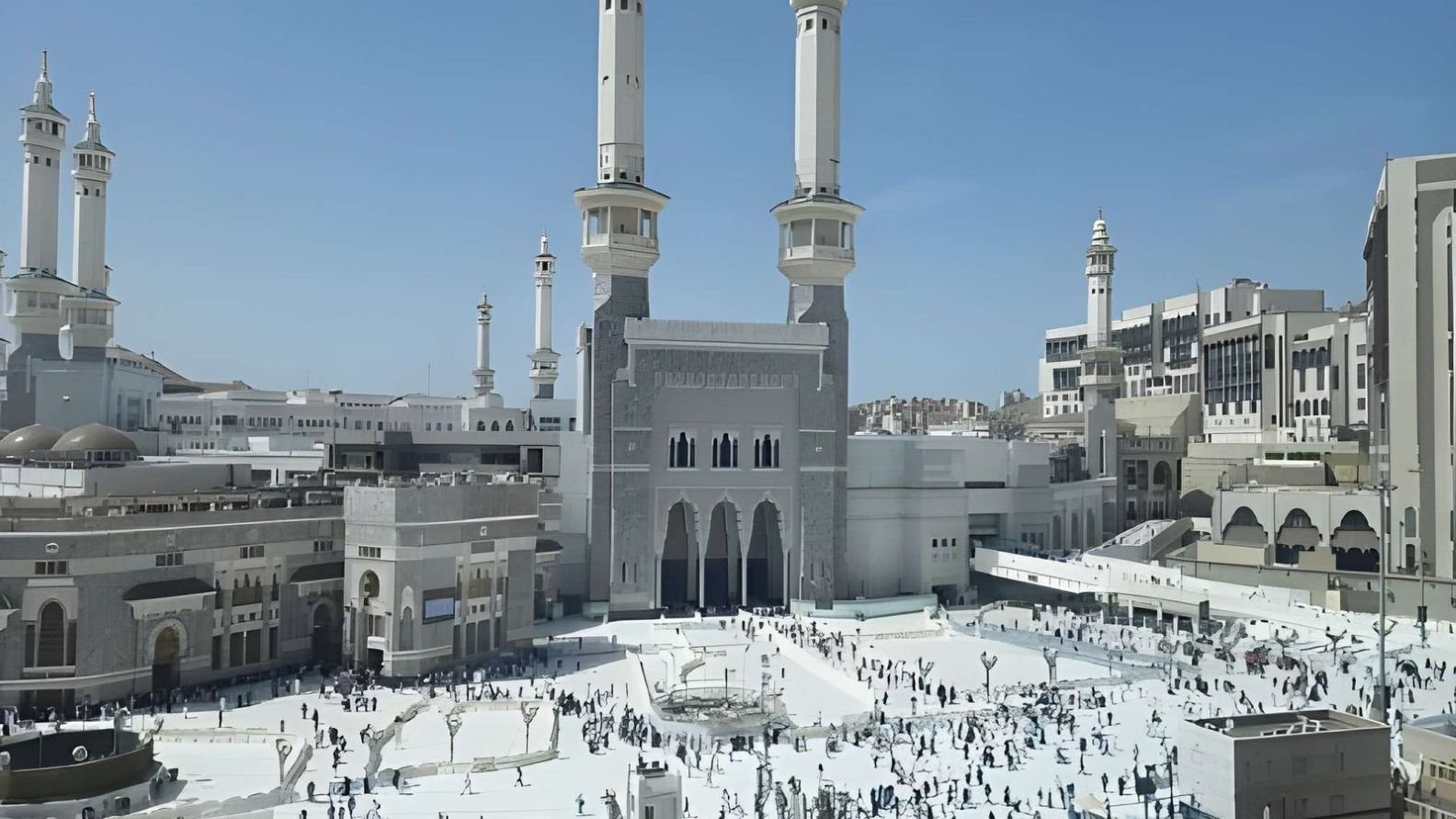
UmrahEvery year, millions of Muslims travel to Makkah to perform a journey rooted in devotion, humility, and centuries of tradition. Understanding the Rituals and Traditions of Umrah before you travel makes the entire experience calmer, more meaningful, and free of confusion once you arrive at the Haram.
For many pilgrims, this trip is the first time they leave their home country, and that alone brings a mix of excitement and nervousness. Standing before the Kaaba for the first time is an emotional moment that words rarely capture fully. Small details, like knowing what to wear, what to say, and when to move, can ease that nervousness considerably. A calm mind allows a pilgrim to focus on reflection rather than logistics. That’s exactly what proper preparation is meant to achieve.
This guide breaks down each ritual in the order you will actually perform it. Whether you’re a first-time pilgrim or accompanying elderly family members, you’ll find practical, accurate explanations of what to do, why it matters, and how to prepare.
What Is Umrah and Why Do Believers Perform It?
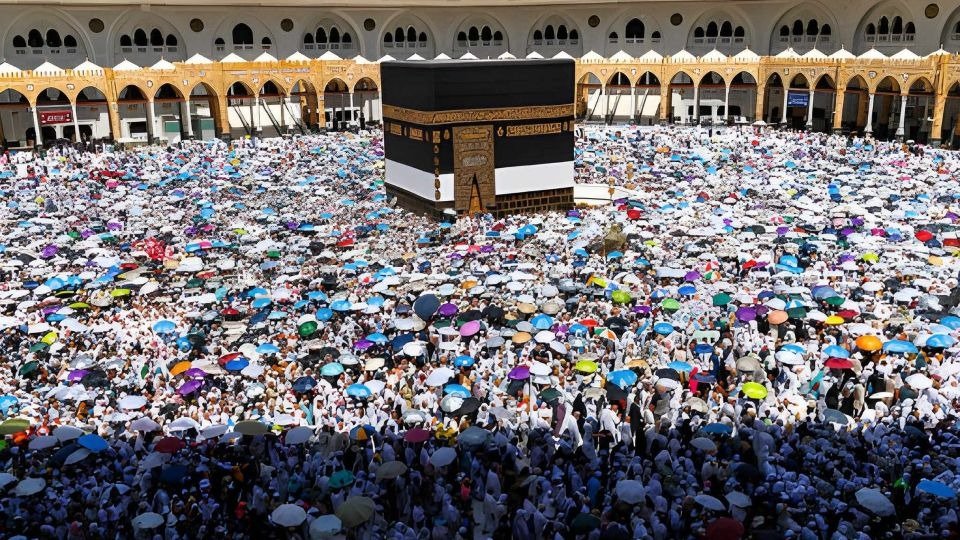
Umrah is a sacred journey to the Holy Kaaba in Makkah that Muslims can undertake throughout the year, whereas Hajj is limited to fixed dates in the month of Dhul Hijjah. It’s often called the “minor pilgrimage,” though spiritually it carries deep weight for those who perform it.
Muslims undertake Umrah to seek forgiveness, renew their faith, and fulfill a Sunnah practiced by Prophet Muhammad (peace be upon him). The Islamic rituals of Umrah consist of four main acts: entering Ihram, performing Tawaf, completing Sa’i, and finishing with Halq or Taqsir.
What Are the Core Rituals and Traditions of Umrah?
The Rituals performed during Umrah follow a fixed sequence. Skipping a step or performing it out of order can affect the validity of your pilgrimage, so it helps to understand each stage clearly before you set foot in the Miqat zone.
What Is Ihram and How Do You Enter This Sacred State?
Ihram combines an outward physical condition with an inner spiritual purpose.. Male pilgrims wear two unstitched white sheets, while women wear simple, modest clothing that covers the body without covering the face or hands.
Before entering Ihram, pilgrims perform ghusl (a full ritual bath), trim their nails, and remove excess hair. Once at the Miqat, the boundary point set for pilgrims, you declare your intention (niyyah) and recite the Talbiyah, a set of phrases affirming your devotion to Allah.
From this point forward, certain restrictions apply. Pilgrims in Ihram cannot:
- Cut hair or nails
- Wear perfume or scented products
- Engage in marital relations
- Hunt animals or damage plant life
- Argue, quarrel, or use foul language
What Is Tawaf and How Do Pilgrims Perform It?
Tawaf means circling the Kaaba seven complete times, always moving in a counterclockwise direction. Each circuit begins and ends at the Black Stone (Hajar al Aswad), which pilgrims try to touch or kiss if possible, though pointing toward it from a distance is fully acceptable when the crowd is dense.
During Tawaf, pilgrims recite prayers and supplications silently or in a low voice. Men are encouraged to perform Ramal, a brisk, confident walk, during the first three circuits, though this applies only to certain types of Tawaf and not to women.
After completing Tawaf, pilgrims pray two rak’ahs near Maqam Ibrahim if space allows, or anywhere within the Haram if it’s too crowded.
What Is Sa’i and What Does It Symbolize?
Sa’i involves walking seven times between the hills of Safa and Marwah, located inside the Grand Mosque complex today. This ritual commemorates Hajar’s search for water for her son Ismail, a story of trust in divine provision under extreme hardship.
Pilgrims start at Safa and end at Marwah, with the seventh lap concluding the ritual. Men jog briefly through a marked green zone during each pass, replicating the pace Hajar once used while searching between the two hills.
This part of the Umrah rituals step-by-step sequence is physically demanding, especially for elderly or unwell pilgrims. Wheelchairs and mobility assistance are widely available for those who need them.
What Is Halq or Taqsir and Why Does It Mark the End of Umrah?
Once Sa’i is complete, pilgrims exit the state of Ihram by cutting their hair. Men can choose between Halq (shaving the head completely) or Taqsir (trimming a portion of the hair), though Halq carries greater reward according to Hadith. Women trim a small lock of hair, roughly the length of a fingertip.
This act formally ends Umrah. All restrictions from the Ihram state are lifted immediately afterward.
What Are the Rules and Rituals of Umrah Every Pilgrim Should Know?
The Rules and rituals of Umrah extend beyond the four main steps. A few practical and spiritual guidelines shape the entire experience:
- Intention (niyyah) must be made before crossing the Miqat, not after
- Tawaf and Sa’i must be completed in the correct sequence, without skipping steps
- Women who are menstruating can still perform Umrah but delay Tawaf until their cycle ends
- Talbiyah is recited frequently until Tawaf begins, then paused
- Umrah can be performed solo or combined with Hajj, depending on the pilgrim’s plan
- Cleanliness, patience, and humility are expected throughout the journey, not just during the rituals themselves
Following these rules carefully protects the validity of your Umrah and keeps the experience focused on worship rather than logistics.
How Do Umrah Rituals Step by Step Differ From Hajj?
Many first-time travelers confuse Umrah with Hajj, but the two differ significantly in scope and timing. Hajj is obligatory once in a lifetime for those who are physically and financially able, occurs only during specific days in Dhul Hijjah, and includes additional rituals such as standing at Arafat, staying overnight at Muzdalifah, and stoning the pillars at Mina.
Umrah, by contrast, has no fixed calendar dates and involves only Ihram, Tawaf, Sa’i, and Halq or Taqsir. It typically takes a few hours to complete, while Hajj spans several days. This makes Umrah a practical option for pilgrims who want to visit the holy sites more frequently throughout their lives.
What Are Some Lesser-Known Traditions Observed During Umrah?
Beyond the core rituals, several Umrah traditions in Islam shape how pilgrims conduct themselves throughout the trip. Many pilgrims drink Zamzam water immediately after Tawaf, believing in its blessed origin near the Kaaba.
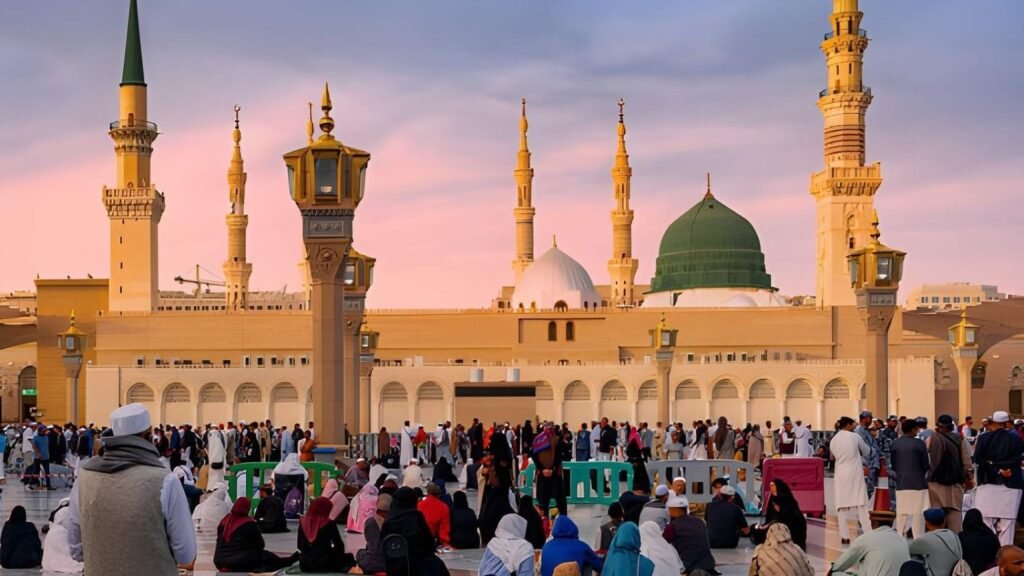
Visiting the Prophet’s Mosque in Madinah, while not a formal part of Umrah, is a widely observed tradition before or after the pilgrimage. Pilgrims also commonly spend extended time in personal prayer (dua) inside the Haram, particularly during quieter hours like late night or just before Fajr, when the mosque is less crowded and more contemplative.
Why Should You Travel With Aaila Hajj for Umrah?
Understanding the rituals is only part of preparing for Umrah. The other half is logistics, and this is where a dependable travel partner makes a real difference, especially for families, seniors, or anyone traveling to Saudi Arabia for the first time.
Aaila Hajj is a trusted Hajj and Umrah travel partner based in Pakistan, operating independently with more than 20 years of experience guiding pilgrims through every stage of their journey. That experience shows in the details that matter most once you’re actually on the ground in Makkah and Madinah.
Pilgrims traveling with Aaila Hajj benefit from:
- Luxury five-star accommodation close to the Haram
- Three buffet meals daily along with refreshments
- Air tickets and comfortable flight arrangements
- Modern luxury transportation throughout the trip
- Three nights’ stay in luxury hotels in Madinah
- Intercity travel in luxury buses
- VIP support and 24/7 medical assistance
- Dedicated female staff to assist female pilgrims
- Full guidance and support through every step of the Hajj or Umrah journey.
If you’re planning your pilgrimage and want a team that handles the details while you focus on worship, reach out to Aaila Hajj to discuss your travel plans.
Conclusion
Performing the Rituals and Traditions of Umrah with a clear understanding of each step helps pilgrims stay focused on the spiritual purpose of the journey rather than worrying about what comes next. From entering Ihram to completing Halq or Taqsir, every stage carries meaning that connects back to the history and devotion at the heart of Islam.
Preparing well, both spiritually and logistically, is what turns Umrah from a checklist into a genuinely transformative experience. Reviewing the rules and rituals of Umrah ahead of time, choosing reliable travel support, and approaching each ritual with patience will help you get the most out of this sacred journey.
FAQ’s
What is the correct order of Umrah rituals?
The correct order is entering Ihram, performing Tawaf around the Kaaba, completing Sa’i between Safa and Marwah, and finishing with Halq or Taqsir. This sequence must be followed without skipping any step.
Can women perform Umrah while menstruating?
Yes, women can enter Ihram and perform most parts of Umrah while menstruating, but they must delay Tawaf until their menstrual cycle ends, since a state of purity is required for that specific ritual.
How long does Umrah usually take to complete?
Umrah typically takes between three and six hours to complete, depending on crowd levels, the pilgrim’s physical condition, and how much time is spent in personal prayer within the Haram.
Is Umrah obligatory like Hajj?
No, Umrah is not obligatory in the same way Hajj is. Most scholars consider it a highly recommended Sunnah, while Hajj is a mandatory pillar of Islam for those who are physically and financially capable.
What should first-time pilgrims prepare before performing Umrah?
First-time pilgrims should learn the sequence of rituals in advance, pack appropriate Ihram clothing, carry any necessary medication, and arrange reliable accommodation and transportation through a trusted travel partner.

