

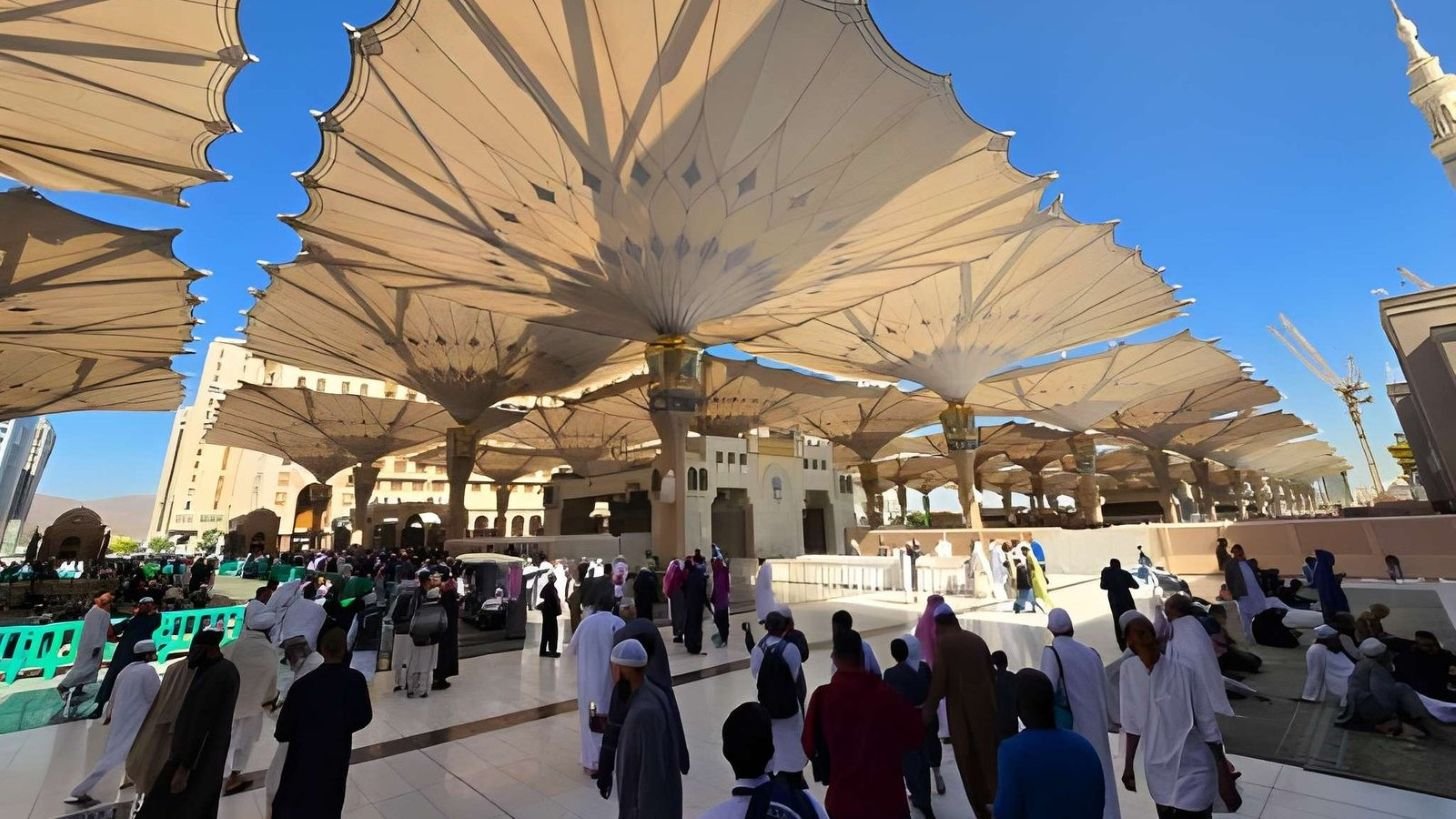
 Hajj
HajjMillions of pilgrims travel to Saudi Arabia every year for Hajj and Umrah, often walking for hours in crowded, hot conditions with little rest. Without the right preparation, even a physically fit traveler can end up dealing with dehydration, exhaustion, or a preventable injury. That’s why pilgrimage health and safety tips matter as much as your travel documents and hotel bookings.
Every year, thousands of pilgrims underestimate how physically demanding this journey really is. Long hours on foot, intense heat, and dense crowds test even the fittest travelers. A little planning ahead can mean the difference between a smooth, spiritually fulfilling trip and one filled with unnecessary discomfort or health scares.
This guide breaks down what actually keeps pilgrims safe, based on real conditions on the ground in Makkah and Madinah. You’ll find practical advice on hydration, medication, hygiene, mobility, and emergency preparedness, along with the specific risks that catch first-timers off guard.
What Are the Most Important Health Risks During Pilgrimage?
Pilgrims face a mix of environmental, physical, and infectious health risks. The combination of heat, crowd density, and physical exertion is what makes Hajj and Umrah medically demanding, even for healthy adults.
The main risks include:
- Heat-related illness: heat exhaustion and heatstroke from long hours outdoors
- Dehydration: worsened by fasting, walking, and desert air
- Respiratory infections: spread easily in dense crowds during Tawaf and Sa’i
- Foot and joint injuries: from prolonged walking on hard surfaces
- Chronic condition flare-ups: diabetes, heart disease, and asthma can worsen under stress
- Foodborne illness: from unfamiliar food handled in high-volume settings
Saudi health authorities report tens of thousands of heat-related cases during peak Hajj seasons, most of them preventable with basic precautions. Understanding these risks before you travel is the first real step toward staying safe.
Why Do Essential Health Tips for Pilgrims Matter So Much?
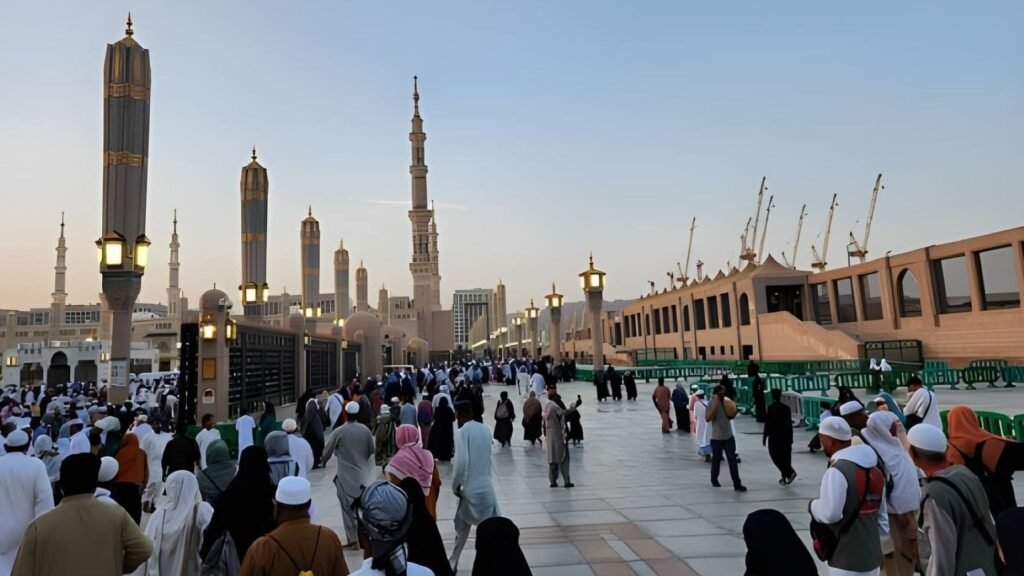
Essential health tips for pilgrims matter because the pilgrimage environment is unlike everyday travel. You’re often on your feet for six to eight hours a day, surrounded by hundreds of thousands of people, in temperatures that can exceed 45°C during summer Hajj seasons.
Small oversights compound quickly in this setting. Skipping a meal, forgetting sunscreen, or ignoring early fatigue can turn into a medical emergency within hours. Preparing your body in advance and pacing yourself once you arrive reduces that risk significantly.
A few essential habits make the biggest difference:
- Get a general health checkup four to six weeks before departure
- Complete required vaccinations, including meningitis (ACWY) as mandated by Saudi authorities
- Pack a personal medical kit with prescription medicines clearly labeled
- Build up walking stamina in the weeks before travel
- Carry a copy of your medical history and any chronic condition details
Pilgrims with diabetes, hypertension, or heart conditions should carry a doctor’s letter explaining their treatment plan. This helps local medical staff respond faster if you need care during your journey.
How Can Pilgrims Stay Safe From Heat and Sun Exposure?
Heat safety tips for pilgrims are arguably the single most important category of advice for anyone performing Hajj or Umrah, particularly during summer months. Heatstroke develops faster than most travelers expect, sometimes within an hour of continuous sun exposure.
The most effective heat safety measures include:
- Hydrate consistently, not just when thirsty; aim for small sips every 15 to 20 minutes outdoors
- Use an umbrella or wide-brimmed hat, since shade drops your effective body temperature noticeably
- Wear light-colored, loose, breathable clothing made from cotton rather than synthetic fabric
- Avoid peak sun hours (roughly 11 AM to 3 PM) for optional outdoor activities
- Apply sunscreen with SPF 30 or higher every few hours
- Recognize early symptoms of heat exhaustion, such as dizziness, nausea, or unusually heavy sweating that suddenly stops
If you or someone near you shows signs of heatstroke, confusion, hot dry skin, or a rapid pulse, move to shade immediately and alert medical volunteers. Saudi authorities station cooling stations and misting fans along major pilgrimage routes specifically for this reason.
What Safety Precautions Should Pilgrims Take in Crowded Areas?
Safety precautions for pilgrims in crowded spaces like the Grand Mosque, Mina, and Jamarat focus on crowd awareness and movement discipline. Crush injuries and separations from groups are the most common safety incidents during peak rituals.
Follow these precautions in high-density areas:
- Move with the flow of the crowd; never push against it
- Keep both arms close to your body to avoid being pinned
- Agree on a meeting point with your group before entering crowded zones
- Keep a card with your hotel address and phone number in your pocket, written in Arabic
- Use official mobile apps or wristbands provided by your tour operator to track group members
- Avoid carrying heavy bags during Tawaf or Sa’i, since dropped items cause pileups
Elderly pilgrims and those with mobility limitations should use designated wheelchair paths, which are wider and less congested. Tour operators with experienced ground staff, such as Aaila Hajj, typically coordinate movement timing to avoid the most crowded hours, which significantly lowers this risk for their groups.
How Should Pilgrims Manage Medication and Chronic Conditions?
Managing medication properly is one of the most overlooked parts of Pilgrim health and safety tips, yet it causes some of the most serious complications when ignored. Heat, altered eating schedules, and long walking hours can all interfere with how medication works in your body.
Practical steps include:
- Pack at least a two-week buffer supply of prescription medication in carry-on luggage
- Keep insulin and temperature-sensitive medicines in an insulated travel case
- Set phone reminders for medication timing, since daily routines shift during pilgrimage
- Inform your group leader or roommate about any serious conditions in case of emergency
- Carry a translated list of medications and dosages for local pharmacists or doctors
Diabetic pilgrims in particular need to monitor blood sugar more frequently, since dehydration and physical exertion can cause unpredictable spikes or drops. Anyone on blood thinners or heart medication should never skip a dose to “save it” for later in the trip.
When Should Pilgrims Seek Emergency Medical Help?
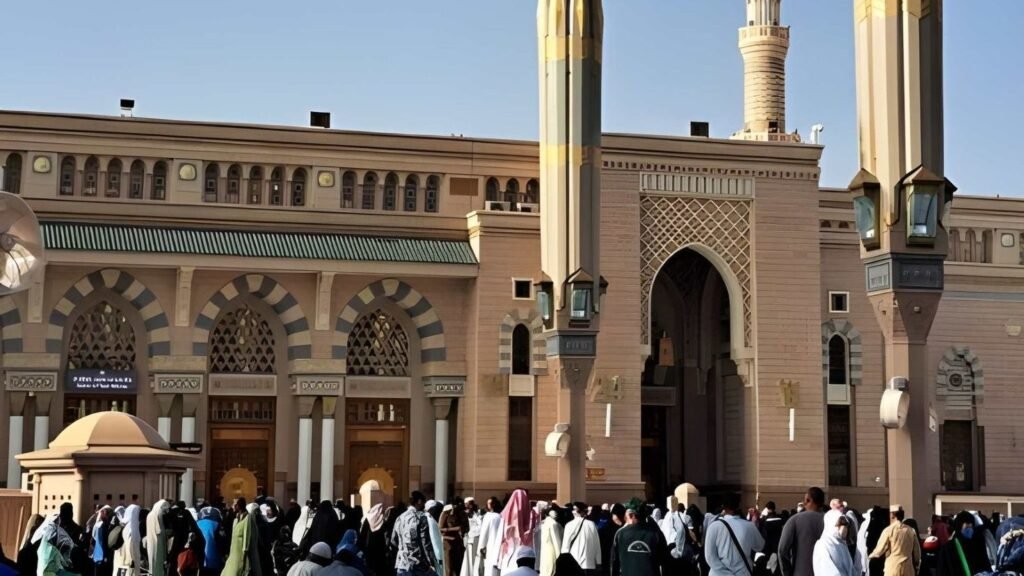
Knowing when to seek help, rather than pushing through discomfort, prevents minor issues from becoming serious. Saudi Arabia operates an extensive network of field hospitals and medical points along pilgrimage routes specifically for rapid response.
Seek immediate medical attention if you experience:
- Confusion, fainting, or loss of consciousness
- Tightness in the chest, trouble catching your breath, or a racing heart.
- A body temperature that feels dangerously high with no sweating
- Uncontrolled fluid loss through vomiting or loose stools lasting longer than one day.
- Any injury involving heavy bleeding or suspected fracture
Saudi health authorities provide free emergency medical care to pilgrims at designated centers in Makkah, Madinah, Mina, and Arafat. Don’t hesitate to approach a Red Crescent volunteer or medical tent; delaying care in extreme heat can turn a manageable condition into a critical one within a short window.
How Can Pilgrims Prevent Illness From Food and Water?
Foodborne and waterborne illness spreads quickly in high-traffic pilgrimage areas, where food is prepared and served in massive volumes. A few consistent habits reduce this risk considerably.
- Drink only sealed bottled water or filtered Zamzam water from official dispensers
- Avoid street food from unlicensed vendors, especially dairy-based items in high heat
- Wash hands frequently, particularly before meals and after using shared facilities
- Select made-to-order hot dishes instead of items standing in buffets or displays.
- Carry oral rehydration salts in case of mild stomach upset
Basic hand hygiene alone significantly cuts down respiratory and gastrointestinal illness in crowded pilgrimage settings, according to public health guidance issued ahead of each Hajj season.
Why Choose Aaila Hajj for a Safer, More Comfortable Pilgrimage?
Health and safety on Hajj or Umrah depend heavily on the support system around you, not just your own preparation. This is where choosing an experienced, independent travel partner makes a measurable difference.
Aaila Hajj is a trusted Hajj and Umrah travel partner based in Pakistan, operating independently with over 20 years of experience guiding pilgrims through every stage of their journey. That experience translates into logistics that are planned around pilgrim wellbeing, not just itinerary convenience.
Pilgrims traveling with Aaila Hajj benefit from:
- Luxury five-star accommodation close to the Haramain for easier, shorter walks
- Three buffet meals daily, plus refreshments, so nutrition and hydration stay consistent
- Air tickets and comfortable flights arranged to minimize travel fatigue
- Modern luxury transportation throughout the journey, reducing exposure to heat and overcrowding
- Three nights’ stay in luxury hotels in Madina for proper rest between rituals
- Intercity travel in luxury buses for a smoother, safer transit experience
- VIP support and 24/7 medical assistance for urgent health needs at any hour
- Dedicated female staff to support female pilgrims with comfort and privacy
- Complete guidance and support at every ritual, from Ihram to Tawaf to Jamarat
For first-time pilgrims, senior travelers, or families who want fewer unknowns during an already demanding journey, this level of structured support directly reduces health and safety risks on the ground. Reach out to Aaila Hajj to discuss a package that fits your health needs and travel preferences.
Conclusion
Staying safe during Hajj or Umrah comes down to preparation, awareness, and knowing your limits in a physically demanding environment. Following practical pilgrimage health and safety tips, from hydration and medication management to crowd awareness, protects both your health and your spiritual experience.
Pairing this preparation with essential health tips for pilgrims and a reliable travel partner gives you far more confidence once you’re in Makkah or Madinah. Small, consistent habits, checked before and during travel, are what separate a smooth pilgrimage from a difficult one.
Whether this is your first Hajj or your fifth Umrah, treat your health planning with the same seriousness as your spiritual preparation. The journey is easier and safer when you’re ready for it.
FAQ’s
What vaccinations are required before performing Hajj or Umrah?
Saudi Arabia requires the meningitis (ACWY) vaccine for all pilgrims, along with seasonal flu and COVID-19 vaccinations depending on current health regulations. Pilgrims from certain regions may also need yellow fever or polio vaccination proof.
How much water should a pilgrim drink daily during Hajj?
Most pilgrims need three to four liters of water daily during Hajj, more on extremely hot days or during long walking rituals. Sipping small amounts consistently works better than drinking large quantities infrequently.
What are the early signs of heatstroke during pilgrimage?
Early signs include dizziness, headache, nausea, confusion, and skin that feels hot but stops sweating. Anyone showing these symptoms should move to shade immediately and seek medical help without delay.
Can elderly pilgrims perform Hajj safely?
Yes, elderly pilgrims can perform Hajj safely with proper medical clearance, mobility support, and a travel plan that limits prolonged standing or walking. Wheelchair services and shaded routes are available at major ritual sites for this reason.
Is it safe to eat street food during Hajj or Umrah?
Street food from unlicensed vendors carries a higher risk of foodborne illness, especially in high heat. Pilgrims are generally safer choosing freshly cooked meals from licensed restaurants or their accommodation’s dining service.


