

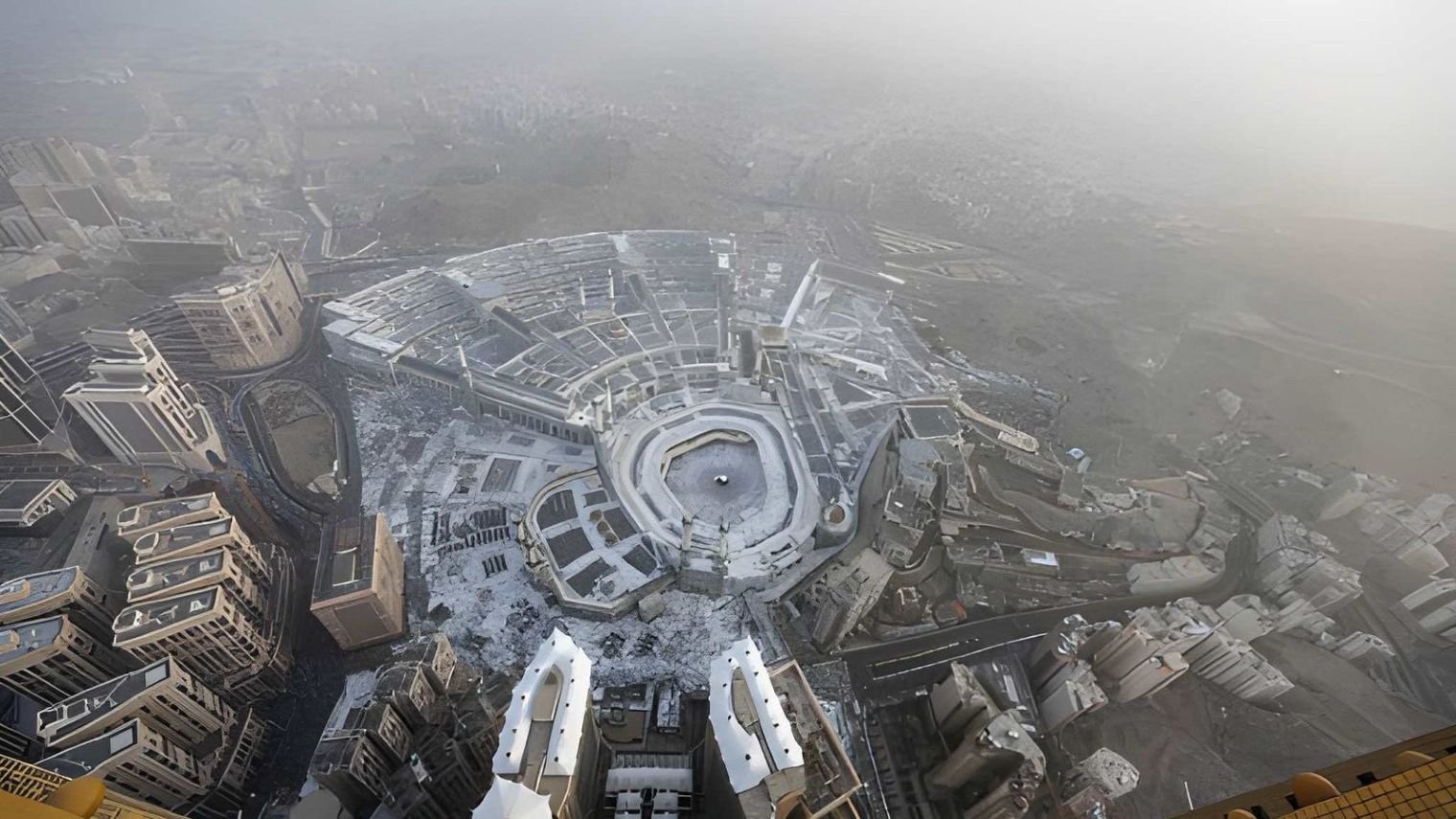
 Hajj
HajjPerforming Hajj is a sacred journey of a lifetime that requires both physical readiness and spiritual dedication. Millions of believers gather in Makkah each year to fulfill this foundational pillar of Islam. For first-time pilgrims, memorizing complex Arabic prayers can feel overwhelming amid the intense physical demands of the rites. Learning simple Hajj duas for pilgrims allows you to focus on heartfelt devotion without worrying about making mistakes.
When you stand before the Kaaba or spend hours praying on the plains of Arafat, sincerity matters far more than lengthy recitations. Supplications act as a direct channel connecting the servant to the Creator. Reciting important duas for Hajj in plain English or basic Arabic phrases helps maintain deep concentration throughout every step of the pilgrimage. This guide provides concise, authentic, and easy-to-remember prayers designed to make your spiritual journey smooth and meaningful.
What Are the Most Essential Hajj Duas for Beginning the Journey?
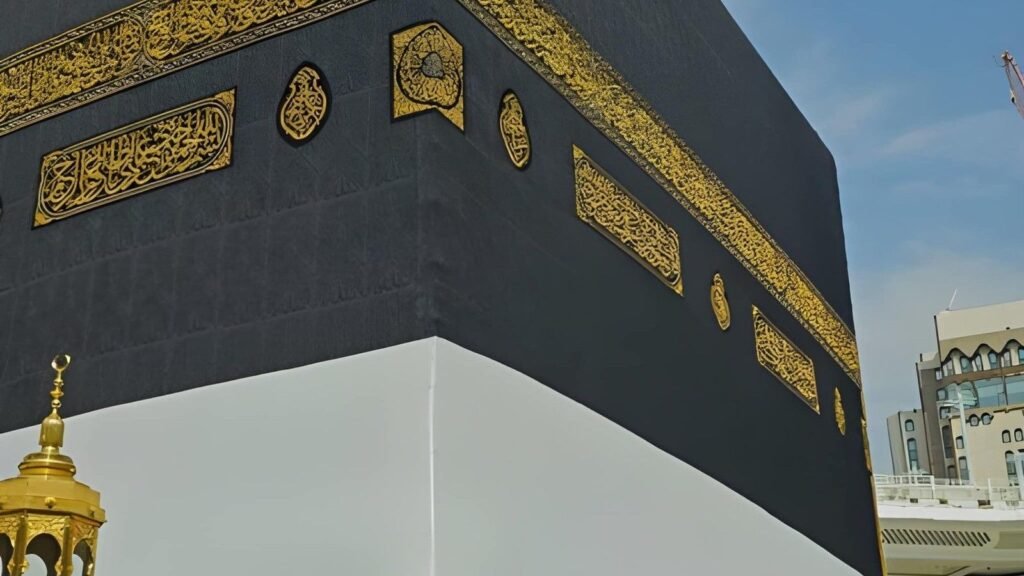
The spiritual journey begins long before you set foot in the Holy Land. Intention forms the core of every act of worship in Islam. When you prepare to enter the state of Ihram, proclaiming your pure intention aligns your mind with the sacred rites ahead.
The primary supplication uttered upon assuming Ihram is the Talbiyah. This prayer reflects total submission to Allah and serves as the official anthem of every pilgrim traveling to Makkah.
The Talbiyah
Arabic Transliteration: Labbayk Allahumma Labbayk, Labbayka la sharika laka Labbayk, Innal hamda wan-ni’mata laka wal-mulk, la sharika lak.
English Translation: Here I am at Your service, O Allah; here I am. Here I am, You have no partner; here I am. Truly, all praise, favor, and sovereignty belong to You. You have no partner.
Authentic Reference: Sahih al-Bukhari 1549
Reciting this prayer frequently keeps your heart grounded during transit. Reciting this prayer frequently keeps your heart grounded during transit. Experienced organizers often advise pilgrims to practice this supplication at home before departure so it becomes second nature during travel.
Which Short Duas for Pilgrims Should You Recite During Tawaf?
Tawaf involves circumambulating the Holy Kaaba seven times in a counterclockwise direction. While there are no mandatory specific prayers assigned to individual rounds of Tawaf, reciting short duas for pilgrims keeps your thoughts aligned with divine remembrance.
You can speak to Allah in your own words, but following the sunnah of the Prophet Muhammad (Peace Be Upon Him) brings immense blessing.
Supplication Between the Yamani Corner and the Black Stone
Arabic Transliteration: Rabbana atina fid-dunya hasanatan wa fil-akhirati hasanatan wa qina ‘adhab an-nar.
English Translation: Our Lord, give us in this world that which is good and in the Hereafter that which is good, and save us from the punishment of the Fire.
Authentic Reference: Surah Al-Baqarah 2:201; Sunan Abi Dawud 1892
This universal prayer encompasses all human needs, asking for protection, success in this life, and salvation in the next.
- During the First Three Rounds: Keep your steps brisk while repeating short phrases of praise such as Subhanallah (Glory be to Allah) and Alhamdulillah (Praise be to Allah).
- During the Remaining Four Rounds: Walk at a normal pace and recite personal supplications for your family, health, and spiritual forgiveness.
- At Maqam Ibrahim: After completing seven rounds, pray two units of voluntary prayer behind the Station of Ibrahim and recite Surah Al-Kafirun and Surah Al-Ikhlas.
What Are the Best Hajj Duas and Supplications for the Day of Arafat?
The ninth day of Dhul Hijjah marks the climax of the pilgrimage. Standing on the plains of Arafat represents the core pillar of Hajj, as the Prophet Muhammad (Peace Be Upon Him) stated that Hajj is Arafat.
During this powerful afternoon, Allah descends to the nearest heaven and expresses pride in His worshipers. Using Hajj duas and supplications during these precious hours opens the doors to complete forgiveness.
The Best Dua for Arafat
Arabic Transliteration: La ilaha illallahu wahdahu la sharika lahu, lahul-mulku wa lahul-hamdu, wa huwa ‘ala kulli sha’in qadir.
English Translation: There is no deity worthy of worship except Allah, alone, without partner. To Him belongs sovereignty and all praise, and He has power over all things.
Authentic Reference: Sunan at-Tirmidhi 3585
Seeking Forgiveness on Arafat
Arabic Transliteration: Allahumma innaka ‘afuwwun tuhibbul-‘afwa fa’fu ‘anni.
English Translation: O Allah, You are Forgiving, and You love forgiveness, so forgive me.
Authentic Reference: Sunan at-Tirmidhi 3513
- Cry sincerely to Allah while standing or sitting facing the Qibla.
- Ask for complete liberation from the Hellfire for yourself and your loved ones.
- Express deep repentance for past misdeeds, making a firm intention never to return to sin.
How Should You Pray During Sa’i Between Safa and Marwah?
Sa’i commemorates the reliance of Hajar (may Allah be pleased with her) on Divine providence as she ran between the two hills searching for water for her infant son, Ismail. Pilgrims walk seven times between Safa and Marwah to honor this legacy of trust and perseverance.
When you climb the hill of Safa to begin the walk, face the Kaaba and recite this foundational verse along with phrases of divine praise.
Supplication Upon Approaching Safa and Marwah
Arabic Transliteration: Innas-safa wal-marwata min sha’a’irillah. Abda’u bima bada’allahu bih.
English Translation: Indeed, Safa and Marwah are among the symbols of Allah. I begin with that with which Allah began.
Authentic Reference: Sahih Muslim 1218
General Prayer for Sa’i Walkway
Arabic Translation: Rabbighfir warham wa antal-a’azzul-akram.
English Translation: My Lord, forgive and have mercy, for You are the Most Mighty, the Most Generous.
Authentic Reference: Musannaf Ibn Abi Shaybah 13834
Why Is Constant Remembrance Important During the Days of Tashreeq?
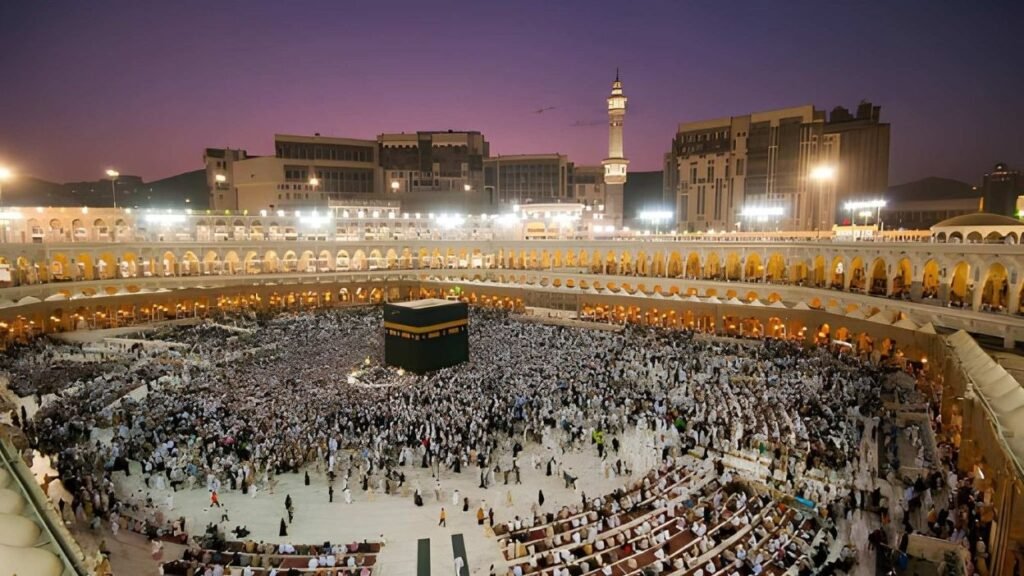
The days spent in Mina completing the ritual of Rami al-Jamarat (pelting the pillars) are known as the Days of Tashreeq. These are days of eating, drinking, and remembering Allah. Rather than letting time slip away in idle conversation, filling your time with continuous dhikr ensures maximum reward.
While walking between the Jamarat pillars or sitting inside your tent, maintain these concise phrases:
- Takbeer: Recite Allahu Akbar (Allah is the Greatest) with every pebble thrown at the Jamarat.
- Tahmeed: Frequently utter Alhamdulillah to express gratitude for completing each ritual safely.
- Tasbeeh: Repeat Subhanallah wa bihamdihi to clean your record of minor shortcomings during travel.
Focusing on these simple recitations helps calm the physical fatigue that often sets in during the final days of the pilgrimage.
How Can Choosing the Right Travel Partner Enhance Your Spiritual Focus?
Navigating the logistical challenges of Hajj requires time, energy, and physical stamina. When logistics are mismanaged, pilgrims often find their spiritual focus consumed by exhaustion, transit delays, or uncomfortable living arrangements. Partnering with an experienced travel operator eliminates these distractions, allowing you to devote every moment to prayer and reflection.
Choosing a trusted agency ensures your journey is handled with professional care. At Aaila Hajj, we bring more than 20 years of expertise as a trusted Hajj & Umrah partner in Pakistan. Working independently, we take pride in offering pilgrimage arrangements that are smooth, personal, and perfectly suited to your needs.
- Luxury Five-Star Accommodation: Relax in premier hotels located close to the Holy Mosques in Makkah.
- Three-Night Luxury Stay in Madina: Enjoy tranquil accommodation close to Al-Masjid an-Nabawi for peaceful worship.
- Full Culinary Service: Savor three fresh buffet meals daily, with complimentary refreshments throughout the day.
- Comfortable Air Travel: Benefit from top-tier flight arrangements designed to reduce transit fatigue.
- Modern Transportation Fleet: Move smoothly between sacred sites in air-conditioned luxury buses.
- Continuous On-Ground Assistance: Focus entirely on your journey while our round-the-clock medical specialists and ground personnel handle any emergency.
- Dedicated Female Staff: Receive specialized assistance tailored for female pilgrims traveling with families or groups.
- Complete Spiritual Guidance: Learn the exact rituals and supplications through step-by-step guidance from seasoned experts.
By letting specialists manage your travel arrangements, you preserve your physical strength for long nights of devotion and sincere prayers. Reach out to Aaila Hajj today to plan a comfortable, spiritually enriching pilgrimage.
Conclusion
Preparing spiritually for Hajj requires structured memorization of simple Hajj duas for pilgrims. Beginning your practice early prevents confusion when standing in crowds at the holy sites. Reciting these supplications daily in the months leading up to departure builds memory retention and spiritual readiness, allowing you to focus completely on your devotion.
To make your journey smooth, keep important duas for Hajj on pocket cards or your phone, listen to audio recitations for correct pronunciation, and practice the English meanings for a deeper connection. Combining these simple prayers with reliable travel planning ensures a peaceful pilgrimage. May Allah accept your duas and bless your sacred journey.
FAQ’s
Can I recite Hajj duas in English if I do not know Arabic?
Yes, you can recite supplications in English or any language you speak naturally. Allah understands every language and evaluates your sincerity rather than formal Arabic phrasing. Personal prayers can be spoken freely in your native tongue.
What is the most important prayer to recite on the Day of Arafat?
The most important prayer is the declaration of Tawheed: La ilaha illallahu wahdahu la sharika lahu, lahul-mulku wa lahul-hamdu, wa huwa ‘ala kulli sha’in qadir. Prophet Muhammad (PBUH) highlighted this as the best supplication on Arafat.
Do I need to recite specific duas for every round of Tawaf?
No, there are no mandatory specific supplications designated for individual rounds of Tawaf. You may recite Qur’anic verses, send blessings, or make personal prayers. The main recommended sunnah prayer is reciting Rabbana atina fid-dunya hasanatan… between the Yamani Corner and the Black Stone.
How can senior pilgrims easily remember prayers during rituals?
Senior pilgrims can rely on short, repeated phrases such as Subhanallah, Alhamdulillah, and Allahu Akbar. Carrying a pocket prayer booklet or traveling with an agency like Aaila Hajj provides on-ground assistance and guidance throughout every rite.
What should I pray for when drinking Zamzam water?
Face the Qibla, stand up, drink in three sips, and state your intention. A recommended prayer is: Allahumma inni as’aluka ‘ilman nafi’an, wa rizqan wasi’an, wa shifa’an min kulli da’in (asking for beneficial knowledge, abundant rizq, and healing).


