


 Umrah
UmrahPerforming Umrah as a woman comes with its own set of questions, from what counts as proper ihram to how to stay comfortable during long hours of worship. This Umrah Guide for Women answers those questions directly, using accurate Islamic guidance and practical, real-world advice. Whether you’re travelling solo, with your husband, or with your entire family, this guide walks you through everything you need before you even pack your bags.
Many women feel unsure about where to even begin, since most general pilgrimage resources focus on rituals without addressing the specific concerns women face along the way. Questions about modesty, comfort, and timing often go unanswered until it’s too late to prepare properly. Having clear, upfront answers changes the entire experience, turning anxiety into confidence before the trip even starts.
Every section below is built around the questions women actually ask before their journey. You’ll find clear explanations of Umrah rules for women, a complete packing checklist, and the common errors that catch first-time pilgrims off guard.
What Is Ihram for Women and How Is It Different From Men’s Ihram?

Ihram is the sacred state a pilgrim enters before performing Umrah, marked by specific intentions and dress requirements. For men, ihram means wearing two unstitched white sheets. For women, ihram has no fixed color or fabric requirement, which surprises many first-time pilgrims.
A woman’s ihram simply needs to be a loose, modest outfit that covers the entire body except the face and hands. It can be any color, though plain, muted tones like black, grey, or navy are commonly preferred to avoid drawing attention. The key condition is modesty and looseness, not a specific uniform.
This is one of the most important Umrah rules for women to understand early, since many pilgrims mistakenly assume they need a special “ihram dress” identical to what’s sold in stores as a matching set.
What Are the Core Ihram Rules Women Must Follow?
Once a woman enters ihram with the intention (niyyah) for Umrah, certain restrictions apply until the pilgrimage is complete. These rules are rooted directly in Islamic jurisprudence and apply regardless of nationality or madhab.
- The face must remain uncovered, meaning niqabs and face veils cannot touch the skin during ihram
- Gloves are not permitted while in the state of ihram
- Perfume or scented products should be avoided once ihram begins
- Cutting hair, trimming nails, or removing body hair is not allowed until after Umrah is completed
- Normal clothing is fine as long as it’s loose and doesn’t reveal the body’s shape
A common point of confusion involves the face covering rule. Women can still shield their face from strangers using a loose scarf or an umbrella, as long as the fabric doesn’t press directly against the skin. This distinction matters because misunderstanding it is one of the frequent Umrah mistakes women should avoid.
How Does Menstruation Affect Umrah for Women?
Menstruation is a natural part of many women’s Umrah journeys, and Islamic guidance addresses it clearly. A menstruating woman can still enter ihram, make the intention, and perform most rituals except Tawaf around the Kaaba.
She can complete Sa’i (walking between Safa and Marwah), stay in ihram, and wait until her cycle ends to perform Tawaf. Many scholars also permit delaying Umrah rituals slightly if a trip is short, so planning travel dates with some flexibility is wise. This is a topic every guide should address honestly, since it affects a large percentage of female pilgrims at some point during their trip.
If bleeding continues throughout the visit, a woman should consult a knowledgeable scholar or her group’s religious guide, since specific rulings can vary slightly by school of thought.
What Should Be on an Umrah Packing List for Women?
Packing smart makes a noticeable difference in comfort during a physically demanding trip. An effective Umrah packing list for women balances religious requirements with everyday practicality.
Clothing essentials
- Two to three loose, breathable ihram outfits in solid colors
- A separate abaya or modest outfit for travel days
- Comfortable, breathable underwear made from moisture-wicking fabric
- A light shawl or scarf for extra coverage during prayer
Footwear and comfort items
- Slip-on sandals that are easy to remove for prayer
- Compression socks for long flights and standing during Tawaf
- A small foldable prayer mat for convenience
Health and hygiene
- Unscented wet wipes and hand sanitizer
- Personal hygiene products, since availability can be inconsistent
- Any prescription medication in its original packaging
- A basic first aid kit with blister pads and pain relief
Practical extras
- A lightweight backpack for daily essentials at the Haram
- A portable phone charger and adapter
- Copies of your passport, visa, and Umrah documents
Packing light but smart matters more than packing a lot. Most experienced travel partners, including Aaila Hajj, recommend keeping luggage manageable since pilgrims walk long distances daily between the hotel, the Haram, and transport pickup points.
Which Umrah Tips for Women Actually Make a Difference
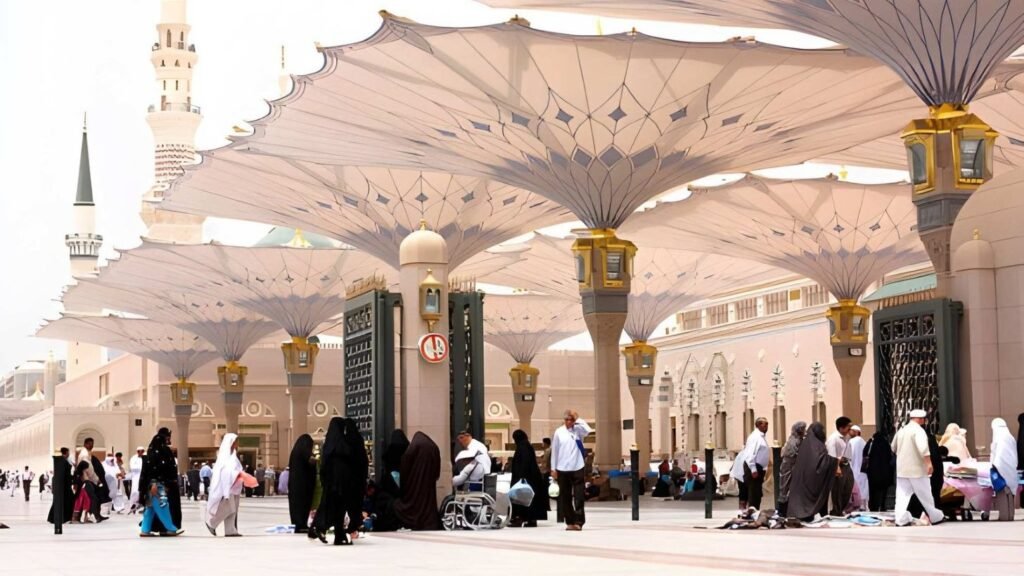
Beyond rules and packing, small habits shape how smooth the entire trip feels. These Umrah tips for women come from patterns experienced pilgrims and guides notice repeatedly.
Stay close to your group or a trusted companion during Tawaf, since the crowd density around the Kaaba can be overwhelming, especially during peak seasons. Drink Zamzam water regularly and pace your movements rather than rushing, since dehydration and exhaustion are common issues among first-time pilgrims.
Learn a few basic Arabic phrases for directions and needs, since language barriers can slow things down in crowded areas. Keep a printed or downloaded map of the Haram complex, because women’s prayer areas are marked separately and knowing the layout in advance saves time and stress.
Finally, travel with a group that provides dedicated support for female pilgrims. Having female staff available for guidance, especially during Tawaf and at prayer times, makes a measurable difference in comfort and confidence.
What Common Mistakes Should Women Avoid During Umrah?
Understanding Umrah mistakes women should avoid helps prevent unnecessary stress once the pilgrimage begins. Most of these mistakes come from misinformation rather than carelessness.
Wearing tight or sheer clothing under the impression that ihram has no fabric rules is a frequent error, since modesty and looseness are still required. Another common mistake is applying scented lotion or perfume after entering ihram, forgetting that fragrance restrictions apply the moment the intention is made.
Some women also cut or trim their nails right before entering ihram, not realizing this should happen before the intention is made, not during the state of ihram. Rushing through Tawaf without pacing fluid intake leads to fatigue, particularly in warmer months.
Lastly, travelling without confirming menstrual cycle timing or without a basic understanding of what to do if it starts mid-trip causes unnecessary panic. Preparing for this possibility in advance removes the guesswork entirely.
Why Choose Aaila Hajj as Your Trusted Umrah Travel Partner?
Planning the religious and physical aspects of Umrah is only part of the journey. Choosing the right travel partner shapes how comfortable, safe, and spiritually focused the entire trip feels, and this is where experience genuinely matters.
Aaila Hajj is an independent Hajj and Umrah travel company based in Pakistan, with more than 20 years of experience guiding pilgrims through every stage of their journey. That depth of experience means fewer surprises and smoother logistics from departure to return.
Pilgrims travelling with Aaila Hajj benefit from thoughtful, practical arrangements built around real pilgrim needs:
- Luxury five-star accommodation throughout the trip
- Three buffet meals daily along with refreshments
- Air tickets and comfortable, well-organized flights
- Modern luxury transportation for all group movement
- Includes a three-night stay in elite 5-star hotels in Madina
- Intercity travel arranged in luxury buses
- VIP support paired with 24/7 medical assistance
- Dedicated female staff available specifically for female pilgrims
- Complete guidance and support at every stage of Hajj or Umrah
For women in particular, having dedicated female staff nearby during Tawaf, Sa’i, and daily routines adds a layer of comfort that’s hard to overstate. If you’re looking for a Hajj and Umrah partner that understands both the religious and practical sides of the journey, reaching out to Aaila Hajj is a solid place to start planning.
Conclusion
Preparing well is what turns a physically demanding journey into a spiritually rewarding one, and that’s the entire purpose of this Umrah Guide for Women. From understanding ihram rules to packing smart and avoiding common missteps, every detail covered here is meant to remove uncertainty before you even leave home.
Whether you’re a first-time pilgrim or returning for another Umrah, following this women’s Umrah guide gives you the clarity to focus on worship instead of logistics. Read the rules carefully, pack thoughtfully, and travel with a partner who understands what female pilgrims actually need on the ground.
FAQ’s
What is the ihram dress code for women during Umrah?
Women’s ihram has no fixed color or design requirement. It must be loose, modest clothing that covers the entire body except the face and hands, with no gloves or face coverings that touch the skin directly.
Can a woman perform Umrah while menstruating?
Yes, a menstruating woman can enter ihram and perform most Umrah rituals except Tawaf. She waits until her cycle ends to perform Tawaf, while other rituals, like Sa’i, can typically proceed as usual.
What should women avoid wearing during ihram?
Women should avoid gloves, face coverings that touch the skin, tight or sheer clothing, and any scented perfume or lotion applied after the ihram intention is made.
How many outfits should a woman pack for Umrah?
Two to three loose ihram outfits plus one or two modest outfits for travel days is generally sufficient, along with comfortable footwear and basic hygiene essentials.
Why is dedicated female staff important during Umrah?
Dedicated female staff help with guidance during crowded rituals like Tawaf, answer religious questions comfortably, and provide an added layer of safety and confidence for women travelling for Umrah.


