

 Uncategorized
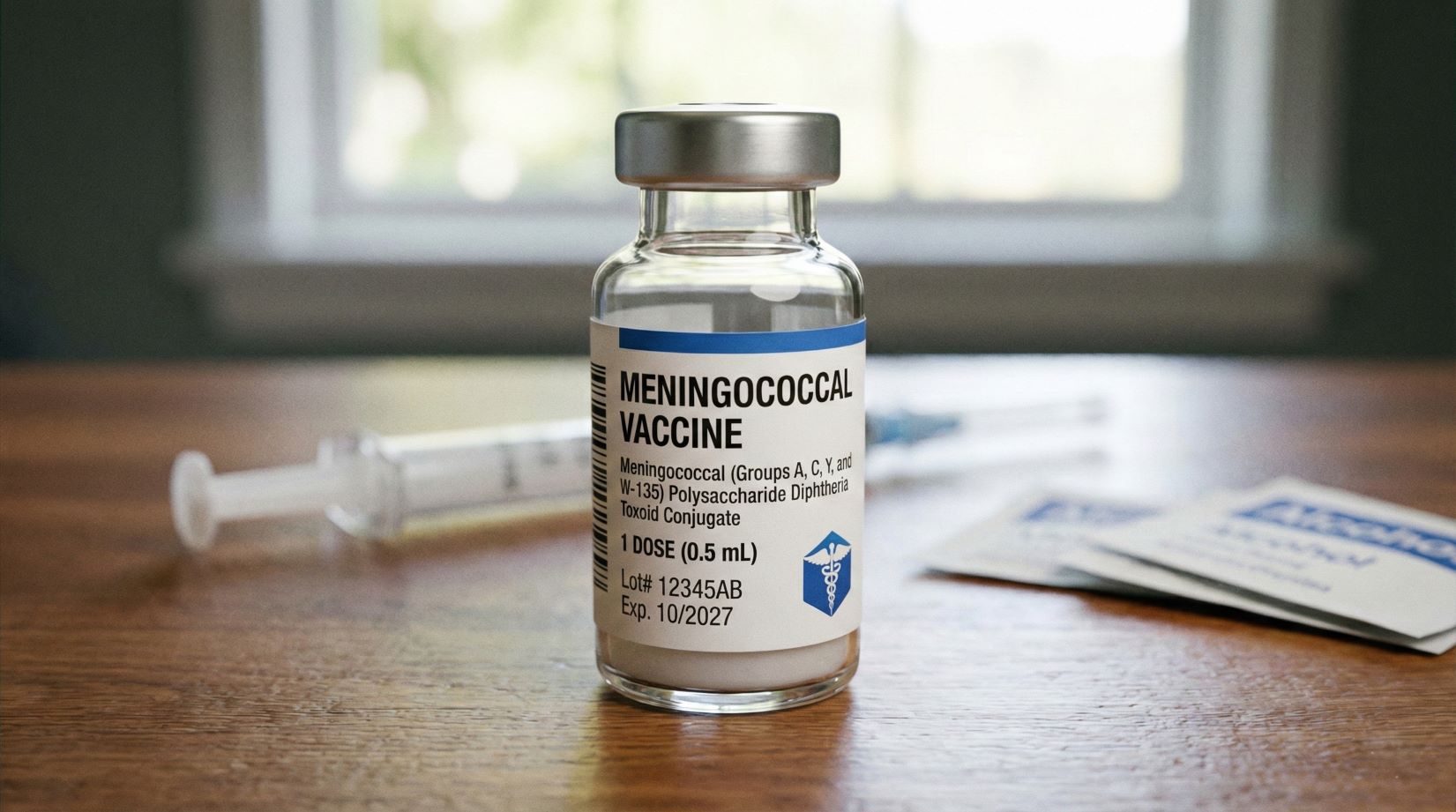
Travel broadens horizons, connects cultures, and brings people together. But before you board a plane, there’s one item many travellers should take seriously: the meningococcal vaccine. This isn’t just another shot. For certain international journeys, it’s a public-health requirement and a smart move for your own safety.
Below, we break down why this vaccine matters, where and when it’s required, how it connects with global health standards like the International Health Regulations (IHR-2005), and practical steps you should take before travelling.
What Is Meningococcal Disease?
Meningococcal disease is caused by Neisseria meningitidis, a bacterium that can trigger serious and rapid-onset infections like meningitis (inflammation of the lining around the brain and spinal cord) and septicemia (bloodstream infection). These conditions can be life-threatening and require urgent medical care.
The bacteria are spread through respiratory droplets and close contact, think coughing, kissing, or spending prolonged time in crowded spaces. Because symptoms can escalate quickly, prevention through vaccination is vital for people heading into environments where transmission risk is higher.
Why Travellers Should Care
When people from different countries gather at festivals, religious events, or mass gatherings, the spread of infectious diseases becomes more likely. Public health agencies around the world track these risks and often issue vaccination recommendations or requirements for travellers.
Getting the meningococcal vaccine before travel protects you and reduces the chance of spreading the disease across borders. That’s meaningful not just for your health, but for global health systems and host communities.
International Health Regulations (IHR-2005): A Global Framework
To keep international travel safe and predictable, the World Health Organization maintains the International Health Regulations (IHR-2005), a legally binding agreement between 196 countries. These rules guide how nations respond to public health risks that can cross borders and affect global populations.
Among other things, IHR-2005 allows countries to require proof of vaccination as a condition of entry when justified by public health concerns. This framework helps standardize expectations for travellers and governments alike.
Under these regulations, states can require vaccinations, like the meningococcal vaccine, if entry without them would pose a risk to that country’s population. Travellers may be denied entry if they don’t meet these conditions.
Where Meningococcal Vaccination Is Required
The most notable example of a mandatory meningococcal vaccine requirement comes from Saudi Arabia:
Saudi Arabia: Hajj and Umrah Pilgrimages
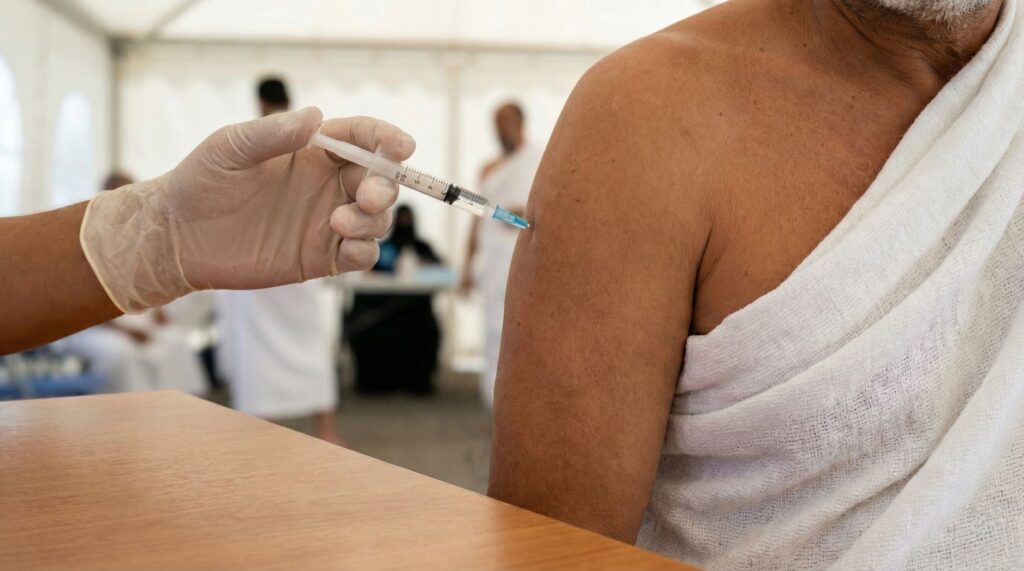
For decades, Saudi health authorities have required all travellers participating in the Hajj or Umrah to show proof of vaccination against meningococcal disease before visa issuance. The vaccine must cover serogroups A, C, W, and Y (quadrivalent), and documentation must be presented upon arrival.
Pilgrimages like Hajj and Umrah bring millions of visitors into close quarters, raising the chance of disease spread. Because of that risk, vaccination is not optional, but it’s a condition for entry.
Other Situations
In parts of sub-Saharan Africa’s so-called meningitis belt, vaccination is strongly recommended for travellers. Even where it isn’t mandatory, vaccination significantly lowers your risk of infection if outbreaks occur.
Before you leave, check the latest travel health notices for your destination. Policies can change; some countries update their rules based on seasonal risk or outbreaks.
Timing Matters: When to Get the Vaccine
If a country requires meningococcal vaccination, you usually must receive it at least 10 days before departure. This gives your immune system time to build protection. Proof of vaccination, often documented on an official health card or certificate, must be presented on arrival.
The vaccine’s validity period can vary by type:
- Some vaccines remain valid for 3 years (polysaccharide),
- Others for up to 5 years (conjugate), depending on the brand.
It’s essential to plan ahead. Last-minute travellers often struggle to get appointments or proper documentation in time.
Who Should Get the Vaccine?
Even if your destination doesn’t legally require it, the meningococcal vaccine is recommended for:
- People travelling to crowded events or regions with a higher meningitis risk.
- Health workers and lab personnel are exposed to the bacteria.
- Anyone who wants extra protection, especially if they’ll be in close contact with others for extended periods.
Talk to a travel medicine specialist or your doctor at least a few weeks before departure. They can help you choose the right vaccine and schedule.
Getting Ready: Practical Steps Before You Travel
Here’s a simple checklist to make sure you’re covered:
- Check entry requirements early. Look up your destination’s rules well before booking flights.
- Schedule your vaccination. Aim for 2–4 weeks before travel to allow time for immunity and paperwork.
- Keep documentation safe. Your vaccine certificate may be checked at the airline counter and upon arrival.
- Review other recommended vaccines. Many countries suggest additional immunizations, depending on local risks.
- Consult a specialist. Travel medicine clinics can tailor advice to your itinerary, age, and health status.
Preparation isn’t just safe, it brings peace of mind.
You Can Book International Tours with Sufa International
When planning your next international trip, you want a partner who understands both the adventure and the practical details. Sufa International Travel & Tours is a travel agency with experience helping clients plan meaningful journeys, from leisure tours to religious pilgrimages. With decades of experience, they handle flights, accommodation, visas, and the logistics that make travel smoother.
Whether you’re preparing for a spiritual journey like Hajj or Umrah, or planning a broader international experience, their team provides guidance and support at every step. Their focus on comfort, clarity, and well-organized travel plans means your trip starts on the right foot, long before you pack your suitcase.
Conclusion
International travel can be one of the most rewarding experiences in life. But it also comes with responsibilities, especially when it comes to public health. The meningococcal vaccine isn’t just a piece of paper. In many cases, it’s a requirement and a layer of protection for you and the people you’ll meet abroad.
Check requirements early, talk with a healthcare professional, and organise your travel health documentation well before you depart. With thoughtful preparation and trusted partners like Sufa International, your journey will be safer, smoother, and more enjoyable.

