

 Hajj
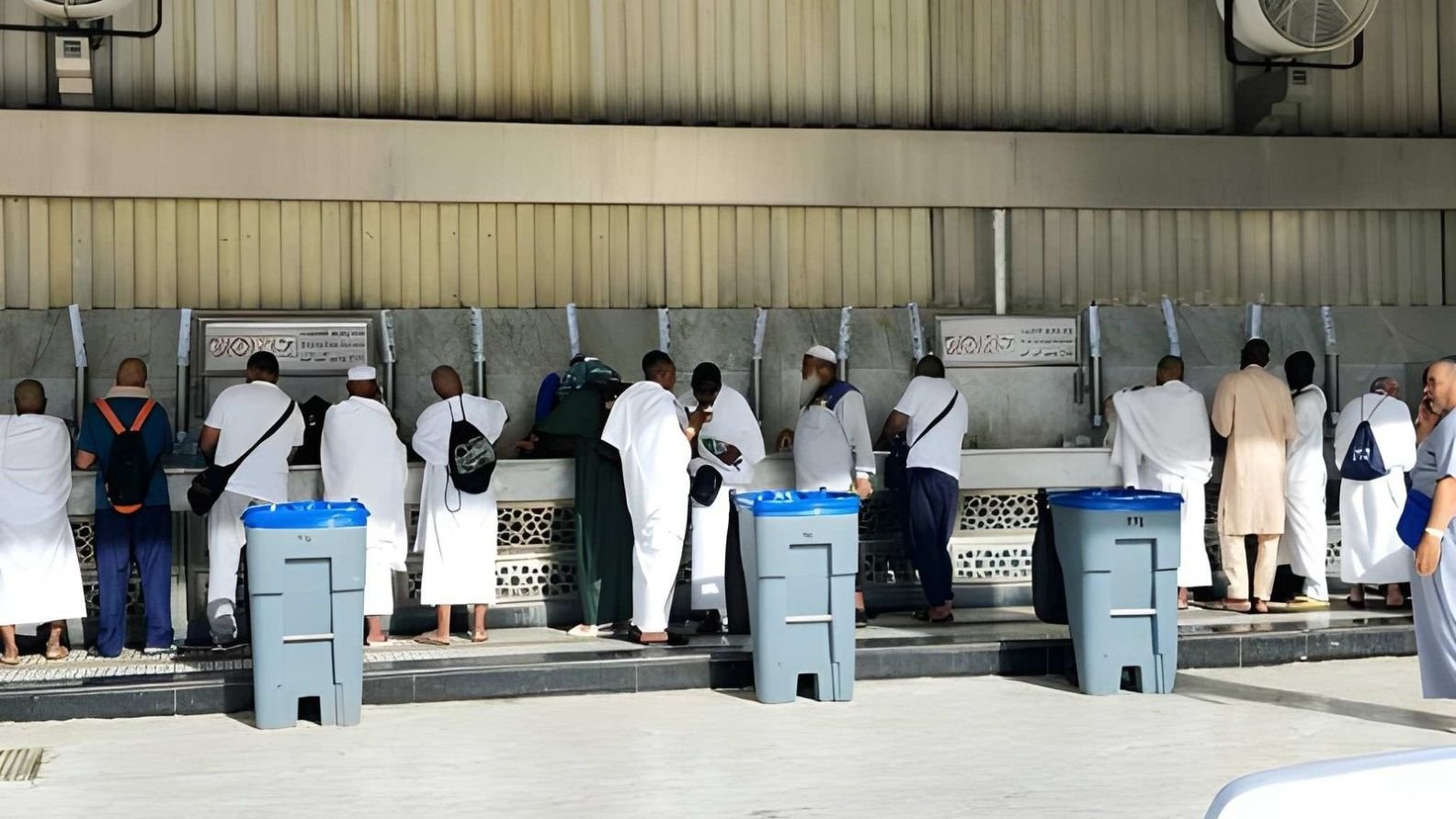
HajjZamzam Water in Islam is far more than a drink offered to pilgrims in Makkah. It’s a living symbol of divine mercy, a well that has flowed continuously for thousands of years, and a source of comfort for over a billion Muslims worldwide. Every year, millions of Hajj and Umrah pilgrims fill bottles from this sacred spring, carrying a piece of its blessing back home.
This article walks through the origin of the well, its mention in Islamic tradition, the virtues attached to drinking it, and the practical benefits recognized by both scholars and modern researchers. Whether you’re preparing for your first Umrah or simply want to understand the significance of Zamzam water, you’ll find a complete, accurate picture here.
What Is Zamzam Water in Islam?
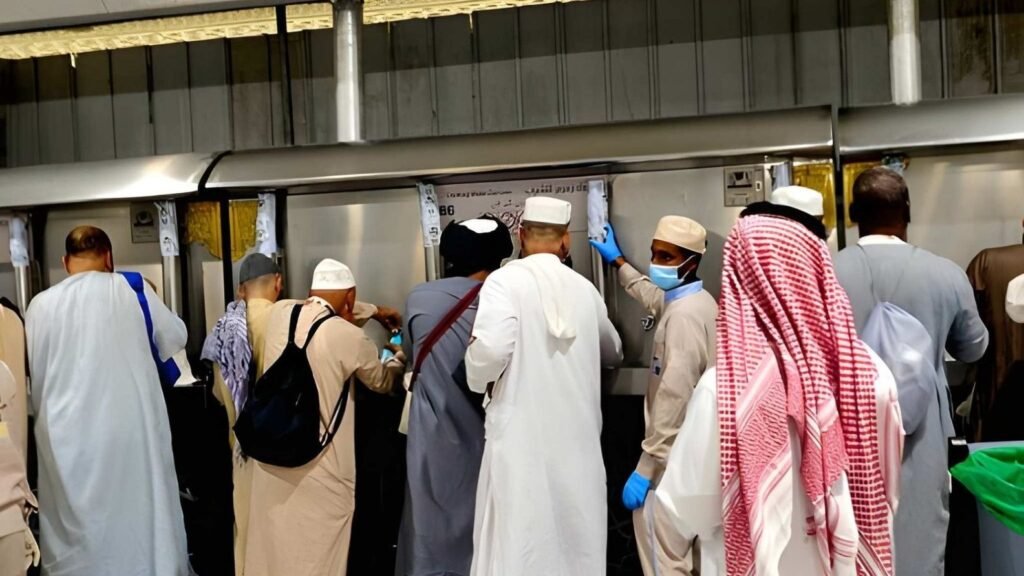
Zamzam water is water drawn from the Zamzam well, located just a few steps from the Kaaba in the Masjid al-Haram, Makkah. Muslims consider it sacred because of its miraculous origin and its direct connection to the Prophet Ibrahim (Abraham) and his family.
The well has never run dry in over 4,000 years, despite serving millions of people annually. Its water is naturally alkaline, mineral-rich, and distinct in taste from ordinary groundwater in the region.
For most Muslims, Zamzam water represents three things at once: a historical miracle, a spiritual gift, and a physical resource with real hydrating and mineral benefits.
How Did the Story of Zamzam Water Begin?
The story of Zamzam water dates back to Prophet Ibrahim (AS), his wife Hajar, and their infant son Ismail (AS). According to Islamic tradition, Ibrahim left Hajar and Ismail in the barren valley of Makkah by Allah’s command, leaving them with limited food and water.
When the supplies ran out, Hajar grew desperate to find water for her crying infant. She ran seven times between the hills of Safa and Marwah, searching the horizon for any sign of help or water.
At the point of exhaustion, she returned to find water miraculously gushing from the ground beneath baby Ismail’s feet. This spring became known as Zamzam, and it has flowed without interruption ever since.
This event is memorialized today through the ritual of Sa’i, one of the core rites performed during both Hajj and Umrah. Pilgrims walk between Safa and Marwah as a direct re-enactment of Hajar’s search, connecting modern worshippers to this ancient act of faith.
Is Zamzam Water Mentioned in the Quran?
Zamzam water in the Quran is not named explicitly by the word “Zamzam,” but the events surrounding it are referenced in Surah Ibrahim (14:37), where Ibrahim’s prayer for his family in the barren valley is recorded. Scholars and commentators (mufassireen) widely link this verse to the eventual emergence of the Zamzam well.
The broader narrative of Hajar’s search and the well’s appearance is preserved primarily through authentic Hadith, particularly in Sahih al-Bukhari, where the Prophet Muhammad (PBUH) narrates the full story in detail. This combination of Quranic reference and Hadith narration gives the well its firm place in Islamic history.
Because the Quran addresses the prayer and struggle rather than the well itself, understanding the complete picture requires reading the Quranic verse alongside the Hadith literature. Together, they form the accepted Islamic account.
What Are the Virtues of Zamzam Water?
Zamzam water virtues are described in multiple authentic Hadith, making it one of the most spiritually significant substances in Islam. The Prophet Muhammad (PBUH) is reported to have said that Zamzam water is for whatever intention it is drunk for, meaning its benefit responds to the sincerity and purpose behind the person drinking it.
Key virtues mentioned in Islamic tradition include:
- A cure and provision: Hadith describe Zamzam as both food that satisfies hunger and a remedy for sickness.
- A response to intention: Drinking it with a specific dua or need in mind is a recommended practice among scholars.
- A connection to the Prophet’s practice: The Prophet (PBUH) himself drank Zamzam and encouraged Muslims to do the same.
- A gift tied to Hajj and Umrah: It’s one of the few blessings pilgrims can physically bring home to share with family.
These virtues explain why pilgrims often carry Zamzam bottles thousands of miles, distributing them among relatives and neighbors who couldn’t perform the pilgrimage themselves.
Why Is Zamzam Water Important in Islam?
The importance of Zamzam water in Islam comes from its role as tangible proof of Allah’s mercy during one of the most difficult moments in prophetic history. It’s not treated as an ordinary resource; it’s woven into the rituals, prayers, and daily practices of Muslims globally.
Its importance shows up in several practical ways:
- Pilgrims drink it immediately after completing Tawaf, the circling of the Kaaba.
- Many Muslims break their fast with Zamzam water during Ramadan.
- It’s commonly used to make dua (supplication) before drinking, following the Sunnah.
- Mosques around the world, including many in Pakistan, distribute Zamzam water to worshippers as a source of blessing.
For pilgrims traveling with a guided group such as Aaila Hajj, access to Zamzam water is built into the daily rhythm of the trip, since accommodations near the Haram make it easy to drink and refill throughout the day.
What Health Benefits Does Zamzam Water Provide?
Beyond its spiritual weight, Zamzam water has drawn attention from researchers studying its mineral composition. Several independent lab analyses have found it contains higher concentrations of calcium, magnesium, potassium, and fluoride compared to standard drinking water.
Reported physical benefits include:
- Effective rehydration due to its mineral density.
- Support for digestion when consumed on an empty stomach.
- A naturally alkaline pH, which some studies suggest may help balance stomach acidity.
- No recorded microbial contamination in water quality studies conducted by Saudi authorities, despite the well’s continuous use.
It’s worth noting that Zamzam water isn’t promoted in Islam as a medical treatment replacing professional healthcare. Its recognized benefits are a mix of documented mineral content and spiritually reinforced practice, and both aspects are respected separately by scholars and researchers.
How Should Muslims Drink Zamzam Water Correctly?
Islamic etiquette (adab) around drinking Zamzam water is simple but meaningful, drawn directly from the Prophet’s own practice. Following these steps connects the daily act of drinking water to a much older tradition.
- Face the Qibla direction if possible.
- Recite Bismillah before drinking.
- Drink in three breaths rather than one continuous gulp, as the Prophet (PBUH) did.
- Make a sincere dua before or while drinking.
- Express gratitude (Alhamdulillah) after finishing.
This etiquette isn’t a rigid ritual; it’s a reflection of mindfulness, turning something as ordinary as drinking water into an act of worship.
Where Can Pilgrims Access Zamzam Water Today?
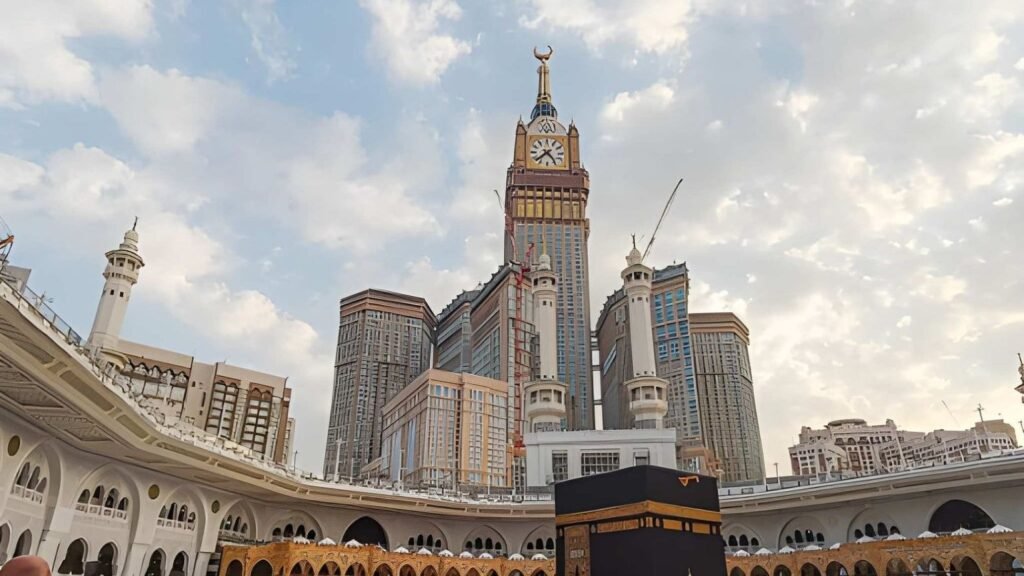
Zamzam water is freely available throughout Masjid al-Haram, with coolers placed near the Kaaba, along the Sa’i path, and at multiple points inside the mosque complex. Pilgrims can also purchase sealed Zamzam bottles at Jeddah and Madinah airports for travel home, subject to Saudi customs regulations.
For those on an organized pilgrimage, hotels arranged by experienced operators often stock Zamzam water in rooms and common areas, removing the need to search for it during a physically demanding trip. This is one of the smaller but genuinely helpful details that separates a well-planned Hajj or Umrah from a stressful one.
Choosing a Reliable Partner for Your Hajj or Umrah Journey
Understanding the significance of Zamzam water is one part of preparing for Hajj or Umrah. Another important aspect is selecting a travel company that manages all arrangements efficiently, allowing pilgrims to concentrate fully on their spiritual journey without worrying about travel hassles.
Aaila Hajj is an independent Hajj and Umrah travel partner based in Pakistan, with more than 20 years of experience organizing pilgrimages for families, first-time travelers, and senior pilgrims. That experience shows up in the details that matter most during a physically and spiritually demanding journey.
Pilgrims traveling with Aaila Hajj benefit from:
- Luxury five-star accommodation close to the Haramain.
- Three buffet meals daily, along with regular refreshments.
- Air tickets booked on comfortable, well-timed flights.
- Modern luxury transportation throughout the entire journey.
- Three nights’ stay in luxury hotels in Madina.
- Intercity travel in luxury, air-conditioned buses.
- Exclusive support featuring Twenty four hour medical care readily accessible.
- Dedicated female staff to assist female pilgrims.
- Full assistance and guidance throughout your entire journey, from start to finish.
These arrangements matter because Hajj and Umrah involve long hours of walking, extreme heat, and unfamiliar surroundings, especially for senior travelers or first-time pilgrims. A well-organized trip reduces physical strain and allows more time for reflection, prayer, and moments like drinking Zamzam water right after Tawaf.
If you’re planning your pilgrimage and want a team that manages every detail with care, reach out to Aaila Hajj to discuss your travel plans and available packages.
Conclusion
Zamzam water in Islam carries a history that stretches back to Prophet Ibrahim’s family, a mention rooted in both Quranic reference and authentic Hadith, and a set of virtues that continue to shape how Muslims practice their faith today. From the well’s miraculous origin to its documented mineral richness, it remains one of the most meaningful symbols in the religion.
Understanding the story of Zamzam water helps pilgrims appreciate the depth behind a simple act, drinking water near the Kaaba, that connects them to thousands of years of prophetic history. Whether you’re drawing on its spiritual weight or its physical benefits, this sacred water continues to serve the same purpose it did in the desert valley of Makkah centuries ago.
FAQ’s
Does the Quran mention Zamzam water in the Quran?
No, the word “Zamzam” doesn’t appear directly in the Quran. The related events are referenced in Surah Ibrahim (14:37), while the full story of the well’s discovery comes from authentic Hadith, particularly in Sahih al-Bukhari.
Why does Zamzam water never run dry?
The well has continuously supplied water for over 4,000 years despite heavy daily use by pilgrims. Muslims view this as a sign of divine blessing, while hydrogeologists attribute it to the well’s connection to an underground aquifer system beneath Makkah.
Can Zamzam water be taken outside Saudi Arabia?
Yes, pilgrims can carry Zamzam water home, typically in sealed bottles purchased at Jeddah or Madinah airports. Saudi authorities set specific quantity limits for travelers, so it’s best to check current regulations before departure.
What dua should be recited before drinking Zamzam water?
There’s no single fixed dua required, but it’s Sunnah to say Bismillah before drinking and to make a sincere personal supplication for whatever need or intention the person has. The Prophet (PBUH) also recommended facing the Qibla while drinking.
Does Zamzam water have any proven health benefits?
Lab studies have found Zamzam water contains higher mineral content, including calcium, magnesium, and fluoride, compared to typical drinking water. It has also shown no harmful microbial contamination in official Saudi water quality testing, though it isn’t intended to replace medical treatment.


