

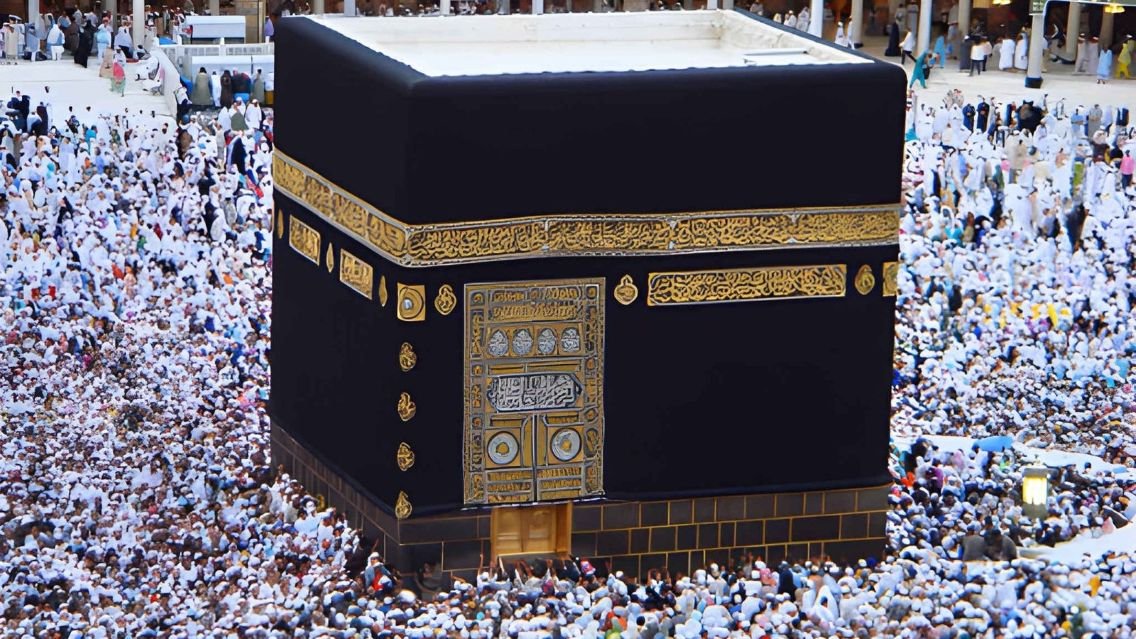
 Umrah
UmrahEvery pilgrim who steps into the Haram in Makkah encounters the same question sooner or later: which Tawaf am I actually performing right now? The types of Tawaf in Islam are not interchangeable rituals. Each one carries its own timing, ruling, and spiritual purpose, and confusing them can leave a first-time pilgrim unsure whether their worship was complete.
Many pilgrims assume Tawaf is just one ritual performed once around the Kaaba, only to realize later that Islam actually defines five distinct types, each with its own timing and ruling. This mix-up is especially common among first-time pilgrims who arrive in Makkah without a clear roadmap of what to expect at each stage of Hajj or Umrah. A missed or misplaced Tawaf can raise doubts about whether a pilgrim’s rites were valid, which adds unnecessary stress to what should be a spiritually focused journey. Getting these distinctions clear before departure is one of the simplest ways to travel with confidence.
This guide breaks down all five categories in plain language, explains where each one fits into Hajj and Umrah, and gives practical guidance you can actually use on the ground in Makkah. Whether you are preparing for your first Umrah or getting ready for Hajj, knowing these distinctions in advance makes the entire journey calmer and more meaningful.
How Many Types of Tawaf Are There in Islam?
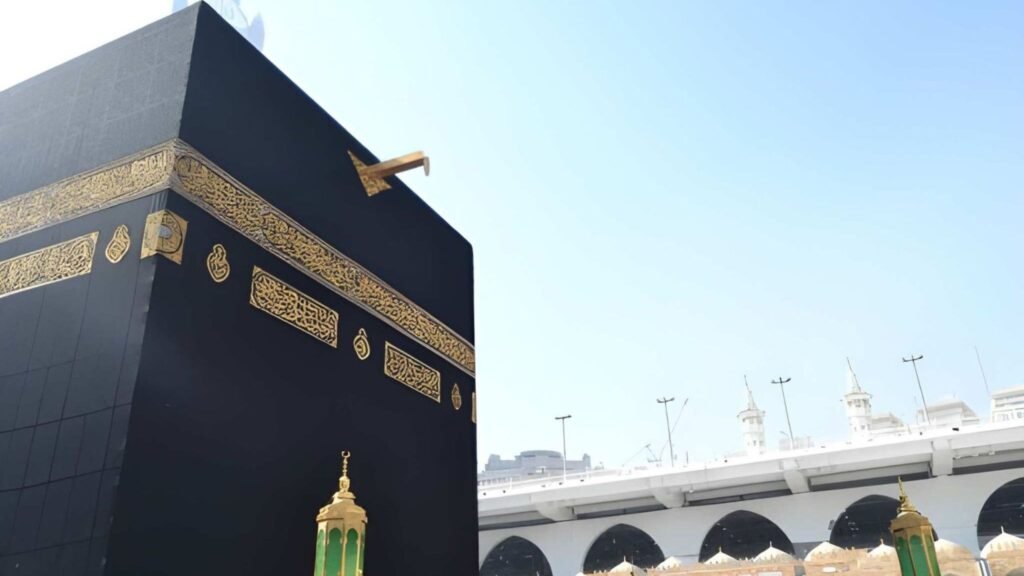
How many types of Tawaf are there? Scholars generally recognize five distinct categories of Tawaf, each tied to a specific occasion or intention.
These are Tawaf al-Qudum (arrival), Tawaf al-Umrah, Tawaf al-Ifadah (also called Tawaf al-Ziyarah), Tawaf al-Wada (farewell), and Tawaf al-Nafl (voluntary). Some scholars group a few of these together based on ruling similarities, but the five-category breakdown is the most widely taught framework among Hajj and Umrah scholars.
Understanding these different types of Tawaf matters because each one has a different ruling. Some are obligatory pillars of the pilgrimage, some are strongly recommended (sunnah), and one is entirely optional.
What Are the 5 Types of Tawaf in Islam?
Before discussing each one in detail, here is a brief overview:
- Tawaf al-Qudum: the greeting Tawaf performed upon arrival in Makkah
- Tawaf al-Umrah: the core ritual that completes Umrah
- Tawaf al-Ifadah (Tawaf al-Ziyarah): the main Hajj Tawaf and a pillar of Hajj
- Tawaf al-Wada: the final act of Tawaf done before departing Makkah
- Tawaf al-Nafl: a voluntary Tawaf performed at any time for extra reward
Let’s look at each type individually, since the ruling and timing differ significantly between them.
What Is Tawaf al-Qudum?
Tawaf al-Qudum, often translated as the arrival Tawaf, is performed by pilgrims coming from outside Makkah as soon as they enter the Haram for Hajj. It functions as a greeting to the House of Allah and is considered sunnah rather than obligatory.
This Tawaf applies only to pilgrims performing Hajj who are not combining it with Umrah in a way that removes the need for it, such as those doing Hajj al-Ifrad or Hajj al-Qiran. Pilgrims performing Hajj al-Tamattu do not perform this Tawaf separately, since their Umrah Tawaf already fulfills a similar purpose.
What Is Tawaf al-Umrah?
Tawaf al-Umrah is one of the pillars of Umrah, meaning the ritual is not valid without it. A pilgrim performs seven complete circuits around the Kaaba, starting and ending at the Black Stone corner.
After finishing Tawaf al-Umrah, the pilgrim prays two rakat near Maqam Ibrahim, drinks Zamzam water, and then proceeds to Sai between Safa and Marwah. This sequence is central to the types of Tawaf in Umrah, and skipping or invalidating it means the Umrah itself is incomplete.
What Is Tawaf al-Ifadah (Tawaf al-Ziyarah)?
Tawaf al-Ifadah, also known as Tawaf al-Ziyarah, is the most important Tawaf within Hajj and one of its core pillars. Pilgrims perform it after returning from Mina on the tenth of Dhul Hijjah, following the stoning of Jamarat al-Aqabah and, for many, after sacrifice and shaving or trimming the hair.
Without completing Tawaf al-Ifadah, Hajj remains incomplete regardless of how many other rituals a pilgrim has finished. This is precisely why it sits at the heart of the types of Tawaf in Hajj, and why guides emphasize its timing so heavily during the days of Mina.
What Is Tawaf al-Wada?
Tawaf al-Wada, the farewell Tawaf, is performed as the very last act before a pilgrim leaves Makkah after Hajj. It is obligatory (wajib) for most pilgrims, though it is waived for menstruating or postpartum women, who are exempt due to their condition.
Practically speaking, this Tawaf should be the final activity in Makkah, meaning a pilgrim should head straight for departure afterward rather than lingering for shopping or extended visits. Many Hajj groups schedule transport immediately after this Tawaf to keep the ritual meaningful and unbroken.
What Is Tawaf al-Nafl?
Tawaf al-Nafl is a voluntary Tawaf that a pilgrim or resident of Makkah can perform at any time, with no fixed occasion required. It carries no obligation and no penalty for missing it, but scholars encourage it as a source of continuous reward, since circling the Kaaba is considered one of the most virtuous acts of worship a person can do while in Makkah.
Residents of Makkah and those staying for extended periods often perform this Tawaf repeatedly between the five daily prayers.
What Types of Tawaf Are Performed During Hajj?
Hajj involves up to three of the five categories, depending on the pilgrim’s chosen method of Hajj.
- Tawaf al-Qudum: performed on arrival, sunnah for most pilgrims
- Tawaf al-Ifadah: obligatory, performed after the days at Mina begin
- Tawaf al-Wada: the last circumambulation performed before leaving Makkah
A pilgrim performing Hajj al-Tamattu, the most common method for pilgrims traveling from abroad, first completes Umrah Tawaf, then performs Tawaf al-Ifadah and Tawaf al-Wada. This is one detail that trips up many first-time pilgrims when they try to map out the types of Tawaf in Hajj against their own itinerary.
What Are the Types of Tawaf in Umrah?
Umrah is simpler by comparison and generally involves only one required Tawaf.
- Tawaf al-Umrah: the obligatory pillar of Umrah
- Tawaf al-Nafl: optional, performed if time and energy allow
Since Umrah does not include the standing at Arafat or the days at Mina, the types of Tawaf in Umrah are far fewer than those required during Hajj. This is part of why Umrah is often described as the shorter pilgrimage, taking a few hours to complete rather than several days.
What Is the Difference Between the Different Types of Tawaf?
The clearest way to separate the different types of Tawaf is by ruling: obligatory, sunnah, or voluntary.
Tawaf al-Umrah and Tawaf al-Ifadah are both obligatory pillars, meaning the pilgrimage is invalid without them. Tawaf al-Wada is wajib, meaning it is required, but its omission is treated differently under Islamic law than the omission of a pillar, often requiring compensation (fidyah) rather than invalidating the pilgrimage entirely. Tawaf al-Qudum is sunnah, and Tawaf al-Nafl is entirely optional.
Timing also separates them clearly. Tawaf al-Qudum happens at arrival, Tawaf al-Umrah and Tawaf al-Ifadah happen at defined points within the ritual sequence, and Tawaf al-Wada must be the last act before leaving the city.
Why Is Tawaf Important for Every Pilgrim?
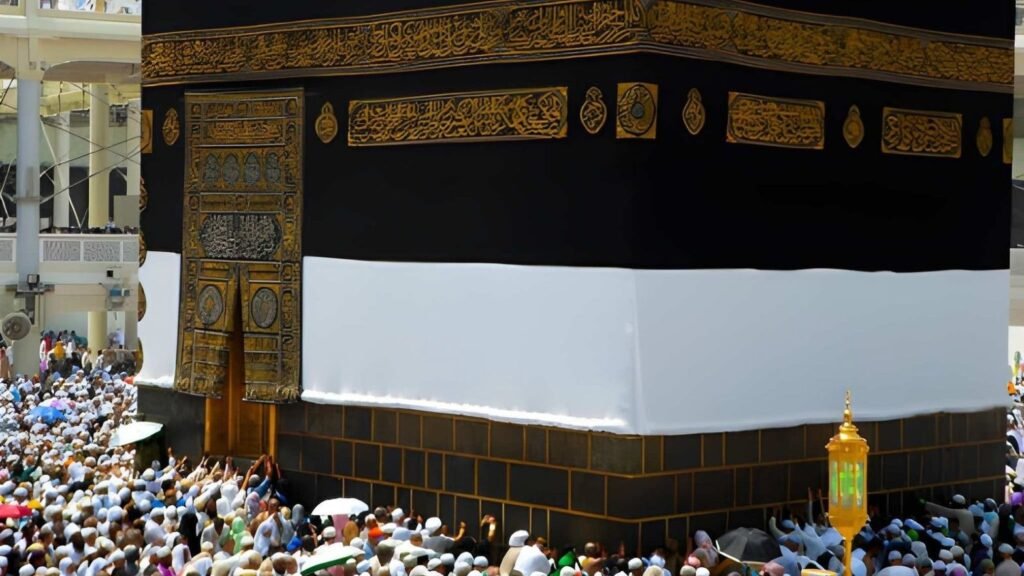
Tawaf represents the physical expression of devotion to Allah, with pilgrims circling the Kaaba counterclockwise seven times while reciting supplications. Scholars often point out that this movement mirrors the wider pattern of creation, from the orbit of celestial bodies to the rhythm of daily worship.
Beyond the spiritual symbolism, Tawaf is also a practical checkpoint. Getting the sequence and timing right for each of the five categories directly affects whether a pilgrim’s Hajj or Umrah is considered valid, which is exactly why understanding these rules before departure matters so much.
Why Should You Choose Aaila Hajj for Your Pilgrimage Journey?
Knowing the types of Tawaf in Islam is only part of preparing for a smooth pilgrimage. Logistics, accommodation, and guidance on the ground matter just as much, especially for first-time pilgrims and senior travelers who need extra support.
Aaila Hajj is an independent Hajj and Umrah travel partner based in Pakistan, with more than 20 years of experience organizing pilgrimages for families and individuals. That experience shows up in the details pilgrims care about most once they land in Saudi Arabia.
Aaila Hajj ke travelers ko Haram ke qareeb luxury five-star accommodation, teen buffet meals aur refreshments milte hain, sath hi comfortable air tickets aur modern luxury transportation bhi shamil hai. Madina mein teen raatein luxury hotels mein guzarti hain aur intercity travel luxury buses mein hota hai. VIP assistance aur 24/7 medical support har waqt available rehta hai, aur female pilgrims ke liye dedicated female staff bhi maujood hai. Booking se le kar farewell Tawaf tak, Aaila Hajj mukammal guidance aur support deta hai. h.
If you are planning your pilgrimage and want a partner who handles the details while you focus on your worship, reach out to Aaila Hajj to discuss your Hajj or Umrah package.
Conclusion
Understanding the types of Tawaf in Islam before you travel removes a huge amount of confusion once you are actually standing in the Haram. From the arrival greeting of Tawaf al-Qudum to the obligatory pillars of Tawaf al-Umrah and Tawaf al-Ifadah, each ritual has its own timing and purpose within the wider journey.
Knowing the different types of Tawaf in advance also helps pilgrims plan their itinerary with confidence, whether they are performing Hajj al-Tamattu, a standalone Umrah, or Hajj al-Ifrad. Pair that knowledge with a reliable travel partner, and the entire pilgrimage becomes far less stressful and far more focused on worship.
FAQ’s
What are the 5 types of Tawaf in Islam?
The five types are Tawaf al-Qudum (arrival), Tawaf al-Umrah, Tawaf al-Ifadah (also called Tawaf al-Ziyarah), Tawaf al-Wada (farewell), and Tawaf al-Nafl (voluntary).
Which Tawaf is compulsory in Hajj?
Tawaf al-Ifadah is a compulsory pillar of Hajj, performed after the days at Mina. Tawaf al-Wada is also required for most pilgrims, though it is not a pillar in the same category.
Is Tawaf al-Qudum required for every pilgrim?
No. Tawaf al-Qudum is sunnah and applies mainly to pilgrims performing Hajj al-Ifrad or Hajj al-Qiran. Pilgrims doing Hajj al-Tamattu do not perform it separately.
Can menstruating women perform Tawaf al-Wada?
No. Women who are menstruating or in postpartum bleeding are exempt from Tawaf al-Wada, since Tawaf requires a state of ritual purity.
How many Tawafs does a pilgrim perform during Hajj al-Tamattu?
A pilgrim performing Hajj al-Tamattu typically completes three Tawafs: the Umrah Tawaf at the start, Tawaf al-Ifadah after the days at Mina, and Tawaf al-Wada before leaving Makkah.


