

 News & Tips
Every year, hundreds of thousands of Pakistani pilgrims face the same question before submitting their application: should they go through the government scheme or book a private Hajj scheme? The debate around government vs private Hajj isn’t new, but the stakes have grown higher as Pakistan’s Hajj policy keeps evolving. For many families, this decision shapes the entire pilgrimage experience, from the size of the group they travel with to the comfort of their daily routine in Makkah and Madinah.
Some pilgrims prioritize keeping costs manageable, while others are willing to pay more for a smoother, more personalized journey. Add to that the confusion around quota changes, application deadlines, and shifting eligibility rules, and it’s easy to see why so many first-time applicants feel overwhelmed. Understanding how each scheme actually works, rather than relying on assumptions or word of mouth, makes the decision far easier.
Under the current Hajj policy, Pakistan’s total quota stands at around 179,210 pilgrims, with the majority of seats reserved for the government vs private hajj package and the remaining share allocated to private operators. This split can shift from one Hajj season to the next, which is exactly why pilgrims should plan carefully before applying. This guide breaks down the real differences in cost, comfort, service quality, and reliability so you can choose the option that fits your needs, your budget, and your family’s comfort.
What Is the Government Hajj Scheme in Pakistan?
The government Hajj scheme is a state-managed pilgrimage program run by Pakistan’s Ministry of Religious Affairs and Interfaith Harmony. Pilgrims apply directly through the ministry’s online portal, and the government handles accommodation, transport, and coordination with Saudi authorities.
Each year, the government hajj package falls in a fixed price range set by the ministry, and it generally sits on the more affordable end compared to private options. Pilgrims can choose between two options:
- Long-Duration Hajj (38–42 Days): Pilgrims are required to submit an initial deposit at the time of registration.
- Short-Duration Hajj (20–25 Days): This option demands a comparatively higher upfront deposit during the application process.
Government packages are typically more budget-friendly, though pilgrims must adjust to fixed schedules and shared living arrangements, given the massive scale of pilgrims handled under this scheme.
What Is a Private Hajj Package in Pakistan?
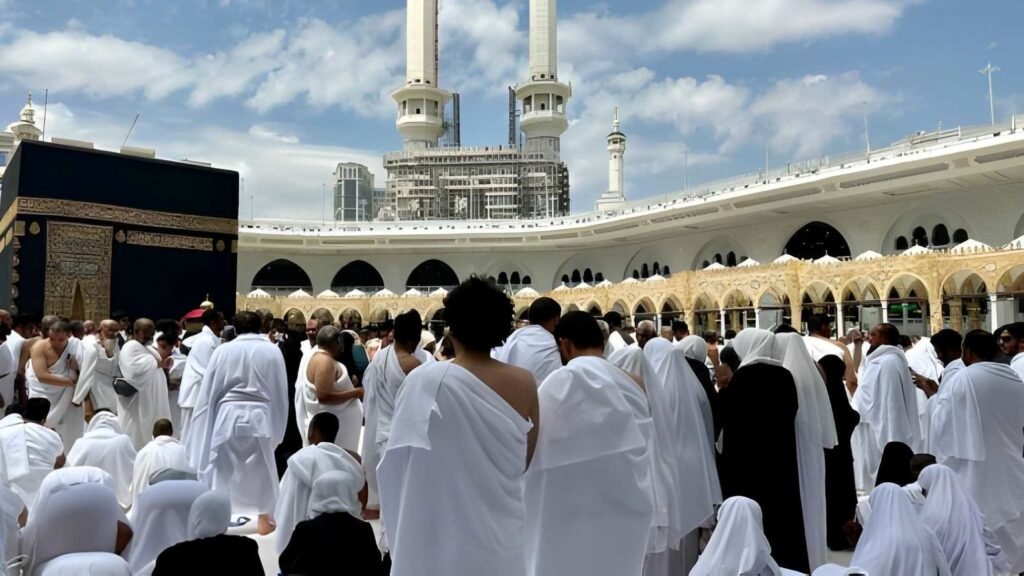
A private hajj package is arranged by a government-authorized tour operator, also called a Hajj Group Organizer or Dependent Hajj Company. These companies handle everything from visa processing to hotel bookings and ground transport, but they operate independently of the state-run scheme.
Private operators generally offer more flexibility. Pilgrims can pick their preferred hotel category, travel dates, and group size. Under the current Hajj policy, private companies now face stricter financial oversight and must register through real-time digital monitoring systems, a direct response to service failures reported in past Hajj seasons.
Because private packages vary widely between operators, pricing depends heavily on hotel proximity to the Haramain, meal plans, and transport quality. This is exactly why choosing a trusted, experienced operator matters more than chasing the lowest price.
Government vs Private Hajj Pakistan: How Do the Costs Compare?
Cost is usually the first factor pilgrims weigh when comparing private vs government hajj packages. Here’s how they typically differ:
- Government package: fixed pricing set by the ministry, generally the more affordable route, with limited customization
- Private package: pricing varies by hotel tier and location, often higher for five-star accommodation near Masjid al-Haram, but with far more flexibility in what’s included
A lower government price doesn’t always mean lower overall value. Many pilgrims end up spending extra out of pocket on the government route for better food, transport, or accommodation upgrades that a well-structured private package would already include.
Which Offers Better Accommodation and Comfort?
Accommodation is where the government vs private hajj pakistan debate becomes most personal, especially for senior pilgrims or families with young children.
Government accommodation is typically located farther from the Haramain and shared among larger groups, with basic amenities. Private operators, particularly established ones, tend to secure hotels within walking distance of the Haramain, often offering private rooms, better food quality, and dedicated transport between the hotel and holy sites.
For pilgrims prioritizing comfort, reduced walking distance, and a smoother daily routine during the physically demanding days of Hajj, a private package usually delivers a noticeably better experience.
How Do the Application Processes Differ?
The government vs private Hajj package application happens entirely through the official online portal, with a lottery-based selection process when demand exceeds the quota. Applicants submit documents, pay the initial deposit, and wait for confirmation, a process that can take several weeks and offers little room for adjustment once submitted.
Private applications move faster and give pilgrims more control. You choose your operator, review the package details upfront, confirm your travel dates, and often get direct communication with the company throughout the process. This transparency is one reason many first-time pilgrims lean toward private operators, especially when the operator has a verifiable track record.
Why Do Service Quality and Reliability Matter So Much?
Hajj is physically and emotionally demanding, and service failures during the trip aren’t just inconvenient, they can affect a pilgrim’s ability to complete rituals comfortably. In a recent Hajj season, mismanagement left tens of thousands of Pakistani pilgrims unable to perform Hajj at all, largely due to payment delays and coordination issues on the private side.
This specific incident is the primary reason the latest Hajj policy enforces tighter financial security measures, digital tracking bracelets, live location monitoring, and compulsory service contracts for private agencies. It also explains why choosing a reliable, long-established travel partner matters more than ever, regardless of which scheme you choose.
Which Is Better: Government vs Private Hajj in Pakistan?
Ultimately, the ideal option hinges on your personal preferences and priorities
- Choose the government hajj package if affordability is your main concern and you’re comfortable with a fixed schedule and shared facilities.
- Choose a private hajj package if you want proximity to the Haramain, better accommodation, flexible dates, and a more personalized experience.
- Families traveling with elderly parents or young children often benefit more from private packages because of shorter walking distances and dedicated support.
- First-time pilgrims sometimes prefer private operators for the added guidance and communication throughout the journey.
When comparing the two options, the real question isn’t which system is technically better, it’s which one matches your budget, your health needs, and how much control you want over your own pilgrimage. Money matters, but it shouldn’t be the only factor guiding such an important decision. A pilgrim who struggles with long walks or standing for extended periods may find a nearby hotel far more valuable than any amount saved.
On the other hand, someone traveling on a tight budget with no major health concerns may feel perfectly comfortable with the government route. The right choice usually becomes clear once you’re honest about your physical limits, your comfort expectations, and what you can realistically afford without financial strain.
Why Choose Aaila Hajj for Your Hajj or Umrah Journey?
If you’re leaning toward a private package after weighing the government vs private hajj comparison, the operator you choose matters just as much as the package itself. Aaila Hajj is an independent Hajj and Umrah travel partner based in Pakistan with over 20 years of experience guiding pilgrims through this journey.
Government vs Private Hajj here’s what pilgrims can expect when traveling with Aaila Hajj:
- Luxury five-star accommodation throughout the trip
- Three buffet meals daily along with refreshments
- Air tickets and comfortable, well-organized flights
- Modern luxury transportation for the entire journey
- Three nights’ stay in luxury hotels in Madina
- Intercity travel in luxury buses
- VIP support with 24/7 medical assistance on standby
- Dedicated female staff to assist female pilgrims
- Complete guidance and support at every stage of Hajj or Umrah
What sets Aaila Hajj apart is consistency. Two decades of experience means the team understands the small details that make a real difference, from managing group logistics near the Haramain to handling unexpected needs during peak Hajj days. Every pilgrim, whether traveling solo, with family, or as a senior citizen, receives the same level of attention and care.
If you’re ready to plan a Hajj or Umrah journey built around comfort, safety, and genuine support, reach out to Aaila Hajj to discuss which package suits your needs.
Conclusion
Choosing between government vs private Hajj ultimately comes down to what matters most to you, cost, comfort, or control over the details of your trip. The government scheme remains the more budget-friendly path, while private operators offer flexibility and a more comfortable experience for those willing to invest in it.
Whichever route you take, the most important factor in any best Hajj package Pakistan is choosing a trustworthy partner who prioritizes your safety and comfort over shortcuts. Take time to compare your options, ask direct questions about accommodation and transport, and pick the path that lets you focus on your worship instead of logistics.
FAQ’s: Government vs Private Hajj
Is government Hajj cheaper than private Hajj in Pakistan?
Yes, generally. The government scheme follows a fixed price range set by the ministry and tends to fall on the lower end, while private packages can cost more depending on hotel category and location, though budget-friendly private options also exist.
What is the Hajj quota split between government and private schemes in Pakistan?
Pakistan’s total Hajj quota generally sits at around 179,210 pilgrims, with the larger share allocated to the government scheme and the remaining seats going to private operators. The exact split can change from one Hajj season to the next.
Which is safer, government or private Hajj packages?
Both schemes now operate under stricter oversight following recent policy reforms. Private operators must follow real-time digital monitoring and financial safeguards, so safety depends more on choosing an experienced, verified operator than on the scheme type itself.
How long does the government Hajj package last?
The government scheme offers two durations: a long package of 38 to 42 days or a short package of 20 to 25 days, depending on the applicant’s preference.
Do private Hajj packages offer better hotel locations?
Often, yes. Established private operators typically secure hotels closer to Masjid al-Haram and Masjid an-Nabwi, reducing walking distance and making the physical demands of Hajj more manageable.
Is Aaila Hajj a government-approved operator?
Aaila Hajj is an independent, private Hajj and Umrah travel partner in Pakistan with over 20 years of industry experience, operating separately from the government scheme.


How To Choose The Best Umrah Agency In Pakistan
September 26, 2026 - 7:27 am[…] dependable Umrah travel agency in Pakistan will never hesitate to answer your questions or provide documentation, and that willingness to be […]