


 Hajj
HajjEvery year, millions of Muslims travel to Makkah with hearts full of devotion, yet many arrive underprepared for the physical and logistical realities of this sacred journey. Understanding the mistakes to avoid during Hajj can mean the difference between a pilgrimage marked by peace and one filled with unnecessary stress. This guide draws on real experience helping pilgrims from Pakistan complete Hajj safely, breaking down the errors that trip up even well-meaning travelers.
Hajj is a journey that combines deep spiritual devotion with real physical and logistical demands, and most pilgrims don’t struggle because of their intention but because of small, avoidable errors along the way. These errors can range from poor planning to simple misunderstandings about the rituals themselves, and recognizing them early makes the entire experience far smoother.
Whether you’re going for the first time or supporting an elderly family member on their journey, being aware of these errors ahead of time helps you plan with confidence. That way, you walk into your pilgrimage prepared instead of guessing your way through it. Small mistakes often go unnoticed until they start affecting your comfort or focus during the rituals. Knowing them in advance gives you the chance to avoid them altogether, rather than learning the hard way once you’re already there.
What Are the Most Common Hajj Mistakes to Avoid?
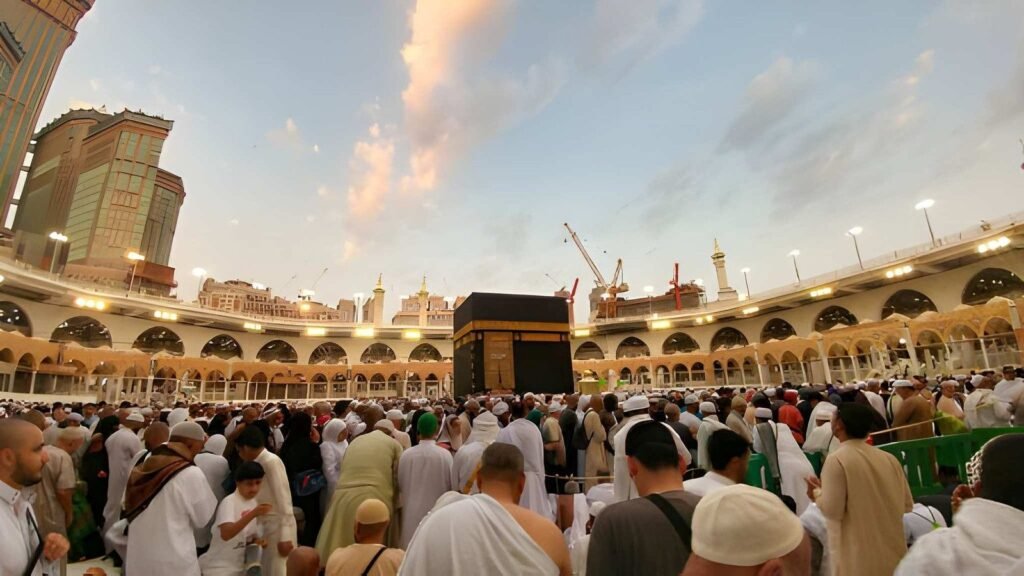
Most pilgrims don’t fail at Hajj because of a lack of faith. They struggle because of preventable, practical missteps that catch them off guard once they’re already in Saudi Arabia.
The most frequent common mistakes by Hajj pilgrims include:
- Rushing through rituals without understanding their sequence
- Ignoring physical fitness preparation before travel
- Overpacking or packing the wrong items
- Underestimating the heat and dehydration risk
- Getting separated from their group in massive crowds
- Skipping travel insurance or medical checkups
- Not learning basic Arabic phrases for navigation and communication
Each of these seems minor on its own, but together they can turn a spiritually focused trip into a logistical struggle. Recognizing them early is the first real step toward a smoother experience.
Why Do First-Time Pilgrims Make These Mistakes?
First-time pilgrims often rely on secondhand advice, YouTube videos, or outdated blog posts instead of structured guidance from experienced Hajj operators. This creates gaps in knowledge about crowd density, walking distances, and the sheer scale of Hajj, which hosts over a million pilgrims annually in the same compact area.
Another reason is emotional overwhelm. The spiritual intensity of Makkah and Madina can distract even organized travelers from practical planning, leading to first-time Hajj mistakes like forgetting documents, missing group meeting points, or losing track of prayer timings amid the crowd.
Which Mistakes Happen Before Departure?
Preparation mistakes often start weeks before a pilgrim ever boards a flight. Getting this stage wrong creates problems that follow you throughout the entire trip.
Not Researching the Rituals in Advance
Many pilgrims assume they’ll learn the steps of Hajj once they arrive. In reality, the pace of Hajj leaves little room for last minute learning. Studying the order of Tawaf, Sa’i, standing at Arafat, and stoning the Jamarat beforehand helps you perform each ritual with clarity rather than confusion.
Ignoring Physical Fitness
Hajj involves extensive walking, often ten to fifteen kilometers a day between rituals. Pilgrims who skip physical preparation frequently struggle with exhaustion, joint pain, or heat related fatigue during peak days like the standing at Arafat.
Delaying Visa and Document Preparation
Visa processing, vaccination requirements, and passport validity checks all take time. Waiting until the last minute increases the risk of errors that can delay or complicate travel plans.
What Mistakes Occur During Ihram and Tawaf?
Ihram is more than clothing. It’s a state of spiritual and physical discipline that pilgrims must maintain carefully, and small errors here are among the most common mistakes by Hajj pilgrims make, yet they’re surprisingly easy to avoid..
Frequent issues include:
- Wearing stitched garments for men before formally entering Ihram
- Using fragrance once the state of Ihram has commenced.
- Clipping nails or cutting hair during the Ihram period
- Losing track of the Tawaf count around the Kaaba
- Pushing through crowds instead of moving with the flow during Tawaf
Staying calm during Tawaf matters as much as staying accurate. Pilgrims who fight the crowd instead of moving with it often exhaust themselves unnecessarily and risk injury in the dense circular movement around the Kaaba.
How Do Pilgrims Mismanage Health and Safety During Hajj?
Heat exhaustion, dehydration, and infectious illness are among the top medical concerns during Hajj, according to health advisories issued by Saudi authorities each season. Temperatures in Makkah frequently exceed 40 degrees Celsius during summer Hajj seasons, making hydration a genuine safety issue rather than a minor inconvenience.
Pilgrims commonly make these health related errors:
- Skipping regular water intake because they’re focused on rituals
- Wearing dark colored Ihram accessories that absorb more heat
- Ignoring early symptoms of exhaustion or dizziness
- Not carrying essential medication for chronic conditions
- Avoiding rest periods out of fear of missing group activities
Senior pilgrims and those with existing health conditions face higher risks and should travel with a plan that includes medical support, proper hydration schedules, and realistic daily activity limits.
What Financial and Packing Mistakes Should You Avoid?
Packing mistakes might sound trivial compared to spiritual concerns, but they create daily friction that adds up quickly. Overpacking leads to heavy, unmanageable luggage, while underpacking leaves pilgrims scrambling for essentials in unfamiliar markets.
Smart packing avoids these common errors:
- Bringing excessive clothing instead of a few practical, breathable outfits
- Forgetting a dedicated pouch for identification and money
- Packing electronics or valuables without proper security
- Underestimating how much walking gear, like comfortable sandals, actually matters
- Carrying too much cash instead of using secure payment methods
On the financial side, many pilgrims underestimate day to day costs for food, transport, and unexpected needs. Budgeting a reasonable buffer beyond the core Hajj package price prevents financial stress during the trip itself.
How Can First-Time Pilgrims Prepare Better?
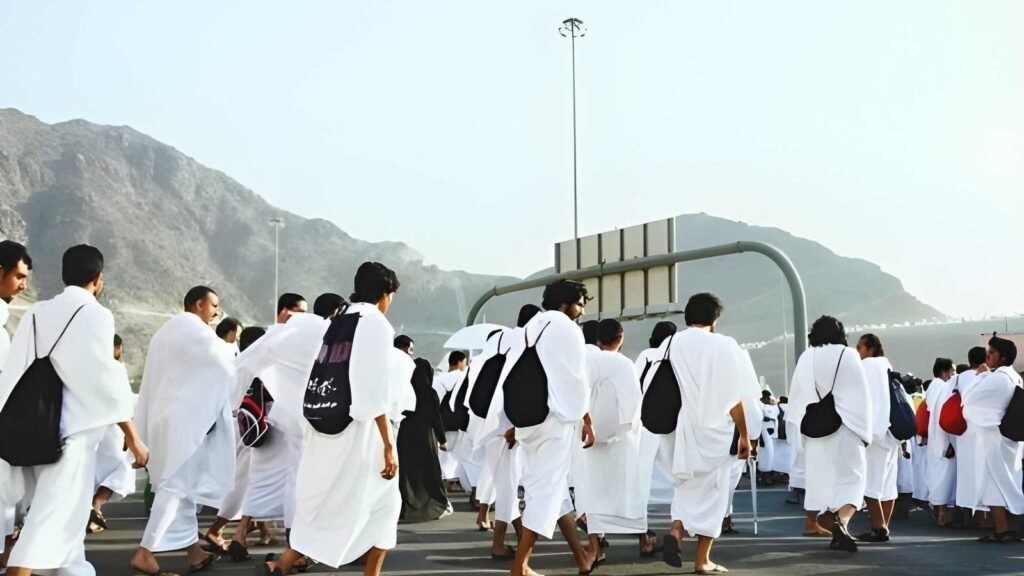
Solid preparation comes down to structured planning rather than last minute decisions. These Hajj tips for first-time pilgrims cover the areas that make the biggest practical difference.
- Start physical conditioning at least two months before departure
- Attend a pre-Hajj orientation session if your travel operator offers one
- Memorize key duas and rituals instead of relying solely on printed guides
- Keep a physical and digital copy of your passport, visa, and medical records
- Identify a fixed meeting point with your group in case of separation
- Choose an experienced, licensed Hajj operator rather than an unverified agent
Preparation reduces the guesswork that causes most stress once you’re on the ground in Makkah and Madina.
Why Choose Aaila Hajj as Your Hajj and Umrah Partner?
Choosing the right travel partner is one of the most effective ways to avoid the mistakes covered in this guide. Aaila Hajj is an independently operated Hajj and Umrah travel company based in Pakistan, with more than 20 years of experience guiding pilgrims through every stage of their journey.
Pilgrims traveling with Aaila Hajj benefit from luxury five star accommodation and three buffet meals daily with refreshments, so nutrition and rest are never a concern during a physically demanding trip. Air tickets and comfortable flights are arranged as part of the package, along with modern luxury transportation throughout the journey for smooth, stress free movement between holy sites.
The package also includes three nights’ stay in luxury hotels in Madina and intercity travel in luxury buses, giving pilgrims a comfortable base to rest between rituals. Every group receives VIP support and 24/7 medical assistance, along with dedicated female staff for female pilgrims who prefer additional comfort and privacy throughout the trip.
From visa processing to on ground guidance at every ritual, Aaila Hajj provides complete support so pilgrims can focus on their spiritual journey instead of logistics. If you’re planning your Hajj or Umrah and want an experienced, reliable partner, reach out to Aaila Hajj to discuss your travel plans.
Conclusion
Avoiding the Mistakes to Avoid During Hajj starts with preparation, honest self assessment of your physical readiness, and choosing guidance you can trust. Small oversights in packing, health management, or ritual timing rarely feel serious in the moment, but together they shape how smoothly your entire pilgrimage unfolds.
The most reliable way to sidestep common Hajj mistakes is to plan early, stay informed, and lean on experienced support when it’s available. A well prepared pilgrim isn’t just avoiding errors. They’re creating space to focus fully on the spiritual purpose that brought them to Makkah in the first place.
FAQ’s
What is the most common mistake first-time pilgrims make during Hajj?
The most common mistake is inadequate physical and logistical preparation, particularly underestimating the walking distances, heat, and crowd density involved in daily rituals.
How can pilgrims avoid getting separated from their group during Hajj?
Pilgrims should agree on a fixed meeting point in advance, carry a card with their group leader’s contact number, and stay close to designated group markers during high density rituals like Tawaf and stoning the Jamarat.
Is it necessary to learn the rituals of Hajj before traveling?
Yes. Understanding the sequence of Ihram, Tawaf, Sa’i, standing at Arafat, and stoning the Jamarat in advance prevents confusion and helps pilgrims perform each step correctly without relying on last minute guidance.
What health precautions should pilgrims take during Hajj?
Pilgrims should stay hydrated throughout the day, avoid direct sun exposure during peak heat hours, carry necessary medication, and rest between rituals instead of pushing through exhaustion.
Why is choosing an experienced Hajj operator important?
An experienced operator handles visa processing, accommodation, transportation, and on ground support, which reduces the risk of the logistical and preparation mistakes that commonly affect independent or first-time pilgrims.


